Medovia Medical Medovia Medical

2026 Top Surgical Laser Types Which Is Most Cost Effective?

Time:2026-11-14 Author:Sienna
0%

Choosing a surgical laser is not a sticker-price decision. A CO₂ system, diode laser, and Nd:YAG platform can differ sharply in purchase cost, service needs, consumables, and suitable procedures. The right comparison starts in the operating room: What tissues are treated? How many cases are performed each month? Which staff need training? Small details matter. A handpiece that feels awkward during a long procedure can slow a team, even when the machine looks economical on paper.

How to compare the cost-effectiveness of different surgical lasers? Compare total ownership costs over a realistic period, then weigh them against clinical performance and expected use. Include installation, maintenance, replacement parts, downtime, training, and procedure-specific consumables. Ask vendors for written service terms and realistic uptime data. Check whether the system’s settings and accessories fit your actual case mix, rather than a projected one. And verify clinical claims against independent evidence. One caveat: published outcomes may not predict results in every facility.

Laser researcher Dr. R. Rox Anderson’s work on selective photothermolysis highlights why wavelength and target tissue matter. An editorial paraphrase of that principle is: “Match the laser to the tissue, then judge the result.” That is not a verified verbatim quotation. It is a useful lens for the cost question. A lower-priced unit may be poor value if it misses key procedures or needs frequent service. A more expensive one may also disappoint if utilization stays low. The answer depends on local costs, clinical needs, and reliable data. A little uncertainty remains. That deserves attention, not a sales pitch.
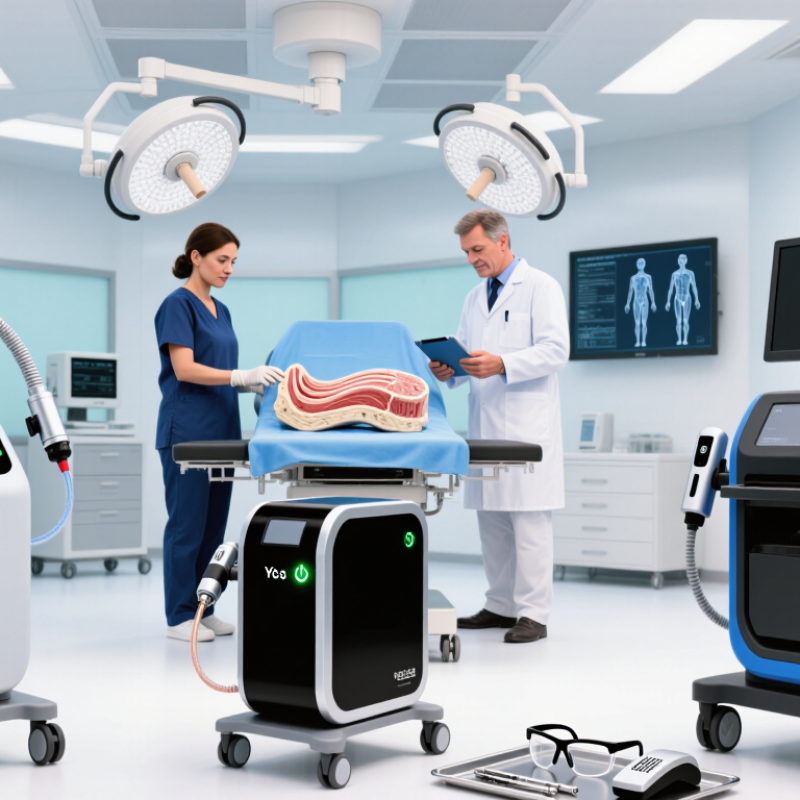
2026 Top Surgical Laser Types Which Is Most Cost Effective?

Surgical Lasers in 2026: Principles and Clinical Applications

Surgical Lasers in 2026: Principles and Clinical Applications

Surgical lasers convert light into heat, and tissue response depends on wavelength, pulse duration, and absorption. The FDA describes surgical lasers as tools for cutting, vaporizing, or coagulating tissue.

Carbon dioxide lasers are strongly absorbed by water, supporting precise work on superficial soft tissue. Nd:YAG energy penetrates more deeply and can help coagulate vessels. Diode lasers are also used in soft-tissue procedures, while holmium:YAG lasers are common in urology, including stone treatment.

Depth matters. The best choice follows the target tissue, not a trend.

Clinical use is broad, but value depends on the procedure and local expertise. A Lancet analysis estimated 312.9 million operations worldwide in 2012, a reminder of surgery’s scale, though it did not measure laser use.

In practice, compare the full cost: equipment, maintenance, training, protective measures, and procedure time. A lower purchase price can hide recurring costs. So can a faster procedure that needs extra follow-up.

Clinical studies do not support one laser as the most cost-effective choice across every specialty. That comparison is imperfect. Teams should review outcomes such as bleeding, healing time, complications, and repeat treatment alongside their own audited costs. Even careful estimates can miss workflow delays.

Major Surgical Laser Types and Their Key Differences

Surgical lasers differ mainly by wavelength, tissue absorption, and delivery system. These factors affect cutting, coagulation, tissue depth, and operating costs. A CO2 laser is strongly absorbed by water, making it useful for precise cutting and surface ablation. It can limit damage around the target, but smoke evacuation and careful settings remain important. Small details matter.

Nd:YAG energy can penetrate more deeply and support coagulation in selected procedures. That depth may be useful, though it also calls for disciplined control near sensitive structures. Diode lasers are compact and versatile, often used in soft-tissue applications. Their purchase price may look attractive, but service, fiber replacement, and procedure volume shape the real cost. Ho:YAG lasers are commonly valued for efficient interaction with water-rich tissue, including certain endoscopic procedures. Their role depends on the clinical task, not simply the device’s headline specifications.

Cost effectiveness is not a single price tag. A hospital should compare acquisition, maintenance, consumables, staff training, and expected case volume over several years. The least expensive system may become costly if it fits few procedures or requires frequent repairs. Conversely, a higher-cost platform may earn its place through reliable use across suitable cases. These estimates are imperfect; local workflow and patient needs can change the calculation.

How Laser Choice Varies Across Medical Specialties

A surgical laser is not a universal tool; its value depends on the tissue, procedure, and clinical setting. Wavelength affects how energy is absorbed, while pulse duration and delivery method influence precision and heat spread. The right choice should match a defined clinical need, not simply offer the widest feature list. Fit matters.

In ophthalmology, excimer lasers are used for corneal reshaping, where controlled tissue removal is central. Dermatology may favor pulsed-dye or carbon dioxide systems for specific vascular or resurfacing procedures. In urology, holmium and other laser types can support stone treatment or soft-tissue work. ENT teams may use carbon dioxide lasers for precise work in confined areas. The specialties differ. So do their case volumes and training needs.

Cost-effectiveness includes more than purchase price. Clinics should compare expected procedure volume, service costs, accessories, staff training, and operating-room time. A sophisticated system may sit idle if its indications are uncommon locally. That calculation is easy to underestimate. Teams should review clinical evidence, safety requirements, and workflow with qualified medical and biomedical professionals before choosing. Even then, estimates may change as practice patterns shift.

Comparing Purchase, Operating, and Maintenance Costs

A laser’s purchase price is only the visible part of its cost. CO₂, diode, Nd:YAG, holmium, and thulium systems differ in clinical use, accessories, and service needs, so the lowest quote may not suit a facility’s case mix. Compare the full contract: delivery, training, warranty, fiber or handpiece costs, software, and annual service. Request a five-year total-cost estimate and clarify which parts are excluded.

Electricity is usually a smaller line item, but it is measurable. The U.S. Energy Information Administration reported an average commercial electricity price of about 12.8 cents per kilowatt-hour in 2024. At a hypothetical 2 kW draw for four hours weekly, that is roughly $53 yearly, before cooling and standby power. Real operating costs also include staff time, consumables, preventive maintenance, and downtime. AHRMM’s Cost of Caring Index tracks broader supply-cost pressures; it does not provide a universal surgical-laser price. Facility quotes matter more.

Tips: Ask biomedical engineering to review service history and expected part availability. Compare annual service fees, response times, and loaner coverage. Then test the estimate against actual procedure volume. A spreadsheet can still mislead; utilization often changes after installation.

Assessing Cost-Effectiveness by Procedure and Care Setting

Cost-effectiveness depends on what a laser treats and where the procedure happens. A system used daily for suitable soft-tissue procedures may spread its purchase and service costs across many cases. The same equipment can be difficult to justify in a clinic performing only occasional procedures. Volume matters.

Compare the full cost per completed case, not the purchase price alone. Include maintenance, staff training, room time, and procedure-specific fibers or other consumables. Then assess outcomes that matter: treatment time, bleeding control, recovery, and repeat procedures. These vary by procedure and patient, so broad claims about one laser type being “most cost effective” can mislead.

Care setting changes the calculation. A hospital may value flexibility across specialties, while a focused outpatient service may benefit more from a device matched to a narrow, steady caseload. Check whether the laser’s capabilities align with clinical guidance and the team’s training. Downtime matters too. A low-cost unit that is unavailable during repairs may disrupt schedules and shift costs elsewhere. Local data are imperfect, and comparisons can miss indirect costs. Review actual case volumes and outcomes before deciding.

2026 Top Surgical Laser Types: Which Is Most Cost-Effective?

Estimated U.S. equipment acquisition ranges by laser type. Typical procedures and care settings are shown for context; purchase price alone does not determine cost-effectiveness.

Broad planning estimates only—not standardized prices or a comparative economic study. Actual costs depend on configuration, service, accessories, and market. High procedure volume can reduce capital cost per case; staffing, consumables, maintenance, reimbursement, and clinical outcomes also affect value. Verify current quotes before budgeting.

FAQS

What distinguishes the main surgical laser types?

Wavelength, tissue absorption, and delivery systems affect cutting, coagulation, tissue depth, and operating costs. Small details matter.

What makes a CO₂ laser useful for precise work?

Water absorbs its energy strongly, supporting precise cutting and surface ablation. Smoke evacuation and careful settings remain important.

When might an Nd:YAG laser be considered?

Its energy can penetrate more deeply and support coagulation in selected procedures. Careful control matters near sensitive structures.

How should a facility compare laser costs?

Include purchase, service, consumables, training, accessories, and downtime. Request a five-year estimate with exclusions clearly listed.

Is electricity a major operating expense?

Usually, it is a smaller cost. A hypothetical 2 kW system used four hours weekly costs about $53 yearly at 12.8 cents per kilowatt-hour, before cooling and standby power.

How does procedure volume affect cost-effectiveness?

Frequent, suitable use can spread purchase and service costs across more cases. Occasional use may make a system harder to justify. Volume matters.

Which outcomes should be compared?

Review treatment time, bleeding control, recovery, and repeat procedures. Results vary by procedure and patient, so broad claims can mislead.

Does the care setting change the equipment decision?

Yes. A hospital may value use across specialties, while an outpatient service may prefer a system matched to steady, focused work.

What should buyers check beyond the initial quote?

Confirm warranty terms, staff training, fiber or handpiece costs, service response times, and loaner coverage. A spreadsheet can still mislead.

Conclusion

Surgical lasers in 2026 use focused light energy to cut, vaporize, or coagulate tissue, with different wavelengths and delivery systems suited to different clinical tasks. Common types vary in how deeply they act, how precisely they target tissue, and how much surrounding heat they produce. These differences shape their use across specialties, from procedures requiring fine control to those involving broader tissue treatment. The best choice depends on the procedure, patient needs, clinician training, and the care setting—not simply on the laser’s technical specifications.

How to compare the cost-effectiveness of different surgical lasers? Consider the full cost of ownership, including purchase price, installation, consumables, staff training, maintenance, and expected service life. Then weigh these costs against practical benefits such as procedure time, reliability, versatility, and the number of suitable cases the system can support. A system with a higher initial cost may offer better value in a busy setting, while a simpler option may be more economical for limited or specialized use. Cost-effectiveness should be assessed for each procedure and care environment.

Sienna

Sienna

Sienna is a skilled marketing professional with a deep expertise in our company’s core products and services. With a passion for innovation and detail, she plays a pivotal role in crafting insightful blog posts that not only highlight the unique features of our offerings but also provide valuable......