Choosing the right X-ray machine is crucial for many healthcare facilities. The decision often boils down to two main types: digital and analog X-ray machines. Each type offers distinct advantages that can impact patient care, workflow, and diagnostic accuracy.
What is the difference between digital and analog X-ray machines? Digital machines provide instant images, improving the speed of diagnosis. They also allow for easier sharing and storage of images. On the other hand, analog machines have a more traditional approach. They produce images on film, which can sometimes capture more detail in certain situations.
Yet, the choice is not always clear-cut. Factors such as cost, maintenance, and staff training play significant roles. It's essential to weigh these considerations carefully. Preference for digital might stem from modern imaging capabilities, but can analog still be the best choice in some settings? Reflecting on these questions helps healthcare providers determine the ideal fit for their practice.
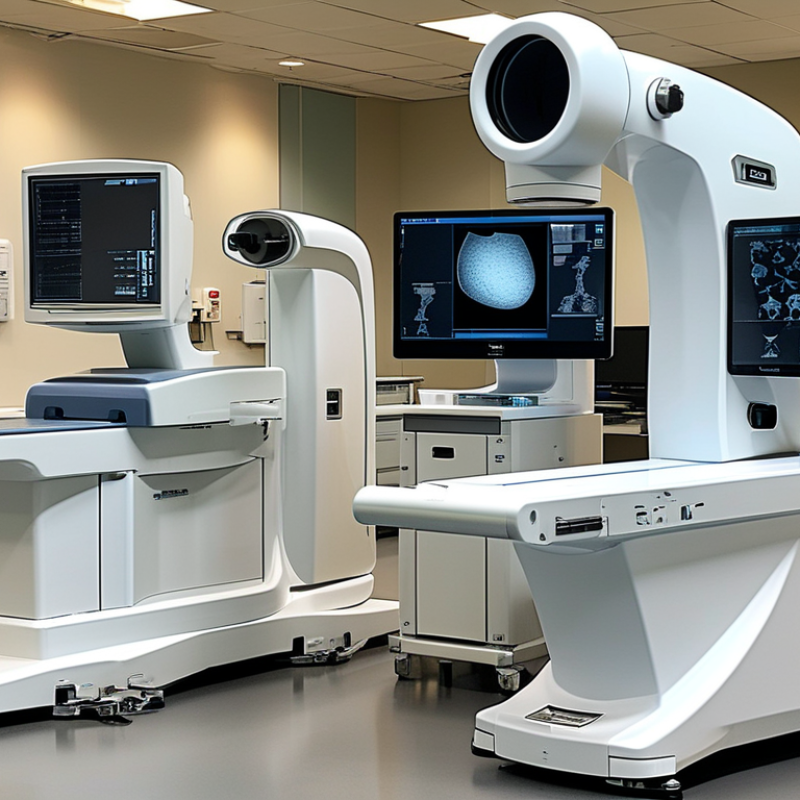
Comparison of Digital and Analog X-Ray Technologies: An Overview
When considering the choice between digital and analog X-ray machines, it's important to understand their fundamental differences. Digital X-rays utilize electronic sensors to capture images, resulting in immediate access to high-resolution images. This can significantly enhance diagnostic accuracy. On the other hand, analog X-rays rely on traditional film, which can take longer to develop. The quality of the images can vary, often depending on film type and processing techniques.
Despite the advantages of digital technology, there are aspects worth reflecting on. Digital systems require a greater initial investment. They may also face compatibility issues with existing equipment. Meanwhile, analog systems, although slower, may suit some practices better due to their lower acquisition costs. Many professionals appreciate the tactile nature of film, adding to the user experience.
Ultimately, choosing between digital and analog X-ray technologies requires careful consideration of the specific needs of your practice. Factors like budget, workflow efficiency, and the types of diagnostic services offered play a crucial role. Each option has its pros and cons, and determining the best fit is essential for ensuring optimal patient care.
Key Advantages of Digital X-Ray Machines: Efficiency and Quality Factors
Digital X-ray machines have transformed the medical imaging landscape. Their efficiency stands out as a key advantage. These systems produce immediate images, cutting down waiting time for patients and healthcare providers. Quick access to results can assist in faster diagnosis, improving patient outcomes.
Quality factors also play a significant role in the appeal of digital X-rays. Digital imaging provides enhanced clarity and detail. Radiologists can zoom in on images without losing quality, allowing for precise assessments. This level of detail is crucial for identifying subtle abnormalities that analog methods might miss. However, the reliance on digital technology can raise concerns about data security and system failures.
Despite these benefits, it's important to consider that not all facilities may have the latest digital technology. Some may still rely on analog systems due to budget constraints. Careful evaluation of specific needs is necessary. Healthcare providers should weigh efficiency against the limitations of either technology. A balanced approach can help in making the right choice for imaging processes.
Exploring the Cost Implications of Digital vs. Analog X-Ray Systems
When selecting between digital and analog X-ray systems, cost is a significant factor. Digital X-ray machines often require a higher initial investment. However, they can lead to savings over time. Digital systems eliminate film costs and reduce storage needs. Moreover, they offer faster image processing and improved diagnostic capabilities.
Analog systems, while cheaper upfront, can incur ongoing costs. Traditional film development needs space and equipment. Maintenance can add up as well. Additionally, imaging clarity may not match that of digital options. Careful consideration of long-term expenses is essential in the decision-making process.
Tips: Evaluate your budget thoroughly. Consider both initial costs and future maintenance. Understand your practice's needs—do you require quick results? Adjust your choice based on patient volume and technology adaptability in your area. Investing thoughtfully now may lead to substantial savings later.
Regulatory Standards and Compliance: Impact on X-Ray Machine Choices
The choice between digital and analog X-ray machines is heavily influenced by regulatory standards and compliance. Regulatory bodies enforce strict guidelines to ensure patient safety and diagnostic accuracy. A 2022 report indicated that 75% of healthcare facilities prioritize compliance when investing in imaging technology. This emphasis on standards shapes the selection process significantly.
Digital X-ray systems often align better with contemporary regulations. These machines tend to produce images that meet or exceed quality benchmarks. Studies show that facilities with digital equipment report a 30% improvement in diagnostic accuracy. The shift towards digital technology reflects regulatory trends favoring enhanced patient outcomes. Meanwhile, analog machines, while still effective, may struggle to keep pace with evolving compliance requirements.
Compliance can present challenges. Facilities may face heavy investments in upgrading older analog systems to meet current standards. Additionally, training staff on new technologies can be time-consuming. Yet, meeting regulatory benchmarks enhances patient trust and care quality. Opting for machines that comply with these regulations not only fulfills legal obligations but fosters a commitment to excellence in healthcare delivery.
2026 Best Digital vs Analog X Ray Machines: Regulatory Standards and Compliance Impact on Choices
| Feature |
Digital X-Ray Machines |
Analog X-Ray Machines |
| Image Quality |
High resolution, enhanced contrast |
Standard resolution, some detail loss |
| Processing Time |
Instant results, faster diagnostics |
Longer processing time, film development |
| Radiation Dose |
Lower radiation exposure |
Higher radiation exposure |
| Maintenance Cost |
Lower long-term operational cost |
Higher ongoing film costs |
| Storage |
Digital storage, easy access |
Physical storage, space-consuming |
| Regulatory Compliance |
Meets updated standards |
Older standards applicable |
| Usability |
User-friendly interfaces |
Traditional operation, less intuitive |
Future Trends in X-Ray Technology: The Shift Towards Digital Solutions
The transition to digital X-ray machines represents a significant trend in medical imaging. Digital technology offers advantages such as faster results and improved image quality. It allows for instant viewing, which can enhance patient care. However, this shift is not without its challenges.
One concern is the initial investment cost. Digital machines can be expensive, making accessibility an issue for some facilities. Additionally, the need for staff training cannot be overlooked. Adapting to new technology may lead to temporary disruptions in workflow. On the other hand, the long-term efficiency and effectiveness can outweigh these initial hurdles.
Another consideration involves data management. Digital images require substantial storage and protection from breaches. Facilities must ensure compliance with regulations regarding patient data privacy. While digital solutions offer numerous benefits, a balanced approach is necessary. Careful planning can mitigate risks and maximize the advantages of this technological evolution.
2026 Best Digital vs Analog X-Ray Machines
This chart compares the adoption rates of Digital X-Ray machines versus Analog X-Ray machines from 2020 to 2026. The data indicates a significant trend towards digital solutions due to advancements in technology, efficiency, and image quality.
Conclusion
The article titled "2026 Best Digital vs Analog X Ray Machines: What to Choose?" provides a comprehensive overview of the differences between digital and analog X-ray technologies. A primary focus is on the question, "What is the difference between digital and analog X-ray machines?" Digital X-ray systems offer significant advantages, including enhanced efficiency and superior image quality, which can lead to better diagnostic outcomes.
Furthermore, the article discusses the cost implications of both systems, highlighting that while digital X-rays may involve a higher initial investment, they often lead to long-term savings through reduced processing time and improved workflow. Regulatory standards play a crucial role in shaping X-ray machine choices, as compliance impacts operational decisions. Lastly, the article examines future trends, noting a clear shift towards digital solutions in the imaging field, driven by technological advancements and the demand for higher-quality diagnostics.
 Medovia Medical
