Medovia Medical
Choosing the right surgical equipment is crucial for any new clinic. How to choose the right surgical equipment for a new clinic? This question can seem daunting. The variety of tools and devices available is vast. Each piece of equipment has a specific purpose and level of quality.
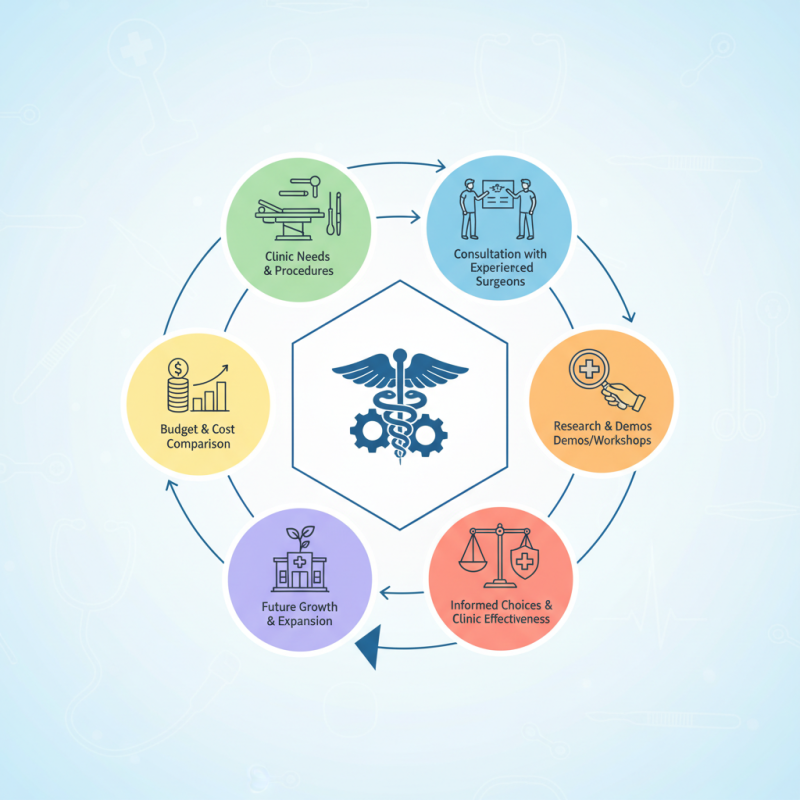
It is essential to consider the needs of your clinic. What procedures will you perform? This will guide you in selecting necessary instruments. Consulting with experienced surgeons can provide invaluable insights. They understand the practicalities of various tools. They can recommend reliable brands that ensure precision and safety.
Another key factor is your budget. Surgical equipment varies significantly in price. Higher cost doesn't always equate to better performance. Research and compare options thoroughly. Attend demonstrations or workshops if possible. This hands-on experience can influence your decisions. Consider not just immediate needs but future growth as well. Reflecting on these aspects can help you make informed choices. In the end, the effectiveness of your clinic depends greatly on the equipment you choose.
When setting up a new clinic, selecting the right surgical equipment is critical. Understanding the essential types of equipment can significantly impact patient outcomes. According to recent industry reports, surgical tools such as scalpels, forceps, scissors, and clamps are fundamental. These basic instruments account for nearly 60% of the supplies needed for typical procedures.
In addition, surgical lighting and tables are vital for any operating room. Proper illumination and ergonomic designs enhance visibility and comfort during surgeries. Studies indicate that optimal lighting can improve surgical precision by 25%. The importance of high-quality sterilization equipment cannot be overlooked. Effective sterilization is key to preventing infections, which remain a leading cause of post-operative complications.
Choosing equipment based on reliability can be challenging. With many options available, clinics risk investing in inferior tools. It's essential to evaluate suppliers on their track record and adherence to safety standards. The landscape of surgical equipment is ever-evolving. Clinics must stay informed about new technologies and techniques to ensure they provide the best care. This ongoing education, while demanding, is crucial for maintaining high standards in patient care.
Choosing the right surgical equipment for your clinic starts with evaluating the quality of instruments. Quality can significantly impact surgical outcomes. Look for instruments made of durable materials that indicate strength and longevity. Stainless steel is often a reliable choice for many surgical tools. However, not all steel is created equal.
Brand reputation plays a crucial role in assessing quality. Established brands often prioritize rigorous testing and certification processes. Researching brand history can unveil insights about their reliability. Online reviews and professional forums can provide useful feedback. Additionally, networking with experienced surgeons can yield recommendations based on their firsthand experiences.
While budget is important, it shouldn’t compromise quality. Sometimes, lower-priced instruments may lead to unexpected failures during procedures. This can endanger patient safety and affect your clinic's reputation. Reflecting on past purchases and their outcomes can guide future decisions. The balance between cost and quality is delicate and warrants careful thought.
When setting up a new clinic, budgeting for surgical equipment is crucial. A recent report showed that 35% of new clinics overspend on equipment. Understanding where to allocate funds can prevent financial strain. Equipment can vary widely in cost, with essential surgical tools potentially ranging from $500 to $20,000 depending on their function and technology.
Evaluating your clinic’s specific needs is vital. For example, facilities performing a high volume of surgeries might opt for advanced equipment, which may have higher upfront costs but save money over time. Capitalizing on financing options can alleviate immediate budget pressure. Research indicates that 70% of clinics experience cash flow issues due to unplanned expenses related to equipment maintenance.
Investing in used or refurbished equipment can be a practical approach. Such choices can save 30-50% of costs compared to brand new items. However, ensure the quality and service history are thorough. A 2022 survey found that 25% of clinics faced unexpected equipment failures due to inadequate vetting during the purchasing process. Balancing quality with budget constraints requires diligent research and consideration of long-term implications.
| Equipment Type | Estimated Cost ($) | Maintenance Cost per Year ($) | Lifespan (Years) | Key Features |
|---|---|---|---|---|
| Surgical Table | 15,000 | 500 | 10 | Height adjustable, radiolucent top |
| Anesthesia Machine | 25,000 | 1,200 | 15 | Advanced monitoring, user-friendly interface |
| Surgical Instruments Set | 5,000 | 200 | 5 | Comprehensive set for various procedures |
| Surgical Light | 10,000 | 300 | 10 | Bright LED, adjustable focus |
| Electrosurgical Generator | 12,000 | 600 | 7 | Cutting and coagulation functions |
Choosing the right surgical equipment for a new clinic involves careful consideration. Focus on specific features and innovations in surgical tools. Evaluate the ergonomics of each tool. A comfortable grip can enhance precision during delicate procedures. Look for adjustable settings that accommodate various surgical needs. This flexibility can improve efficiency.
The materials used in surgical instruments are crucial. High-quality stainless steel offers durability and minimizes infection risks. Also, explore new coating technologies. These innovations can reduce friction and wear, extending the life of the equipment. Regularly review your choices as materials and technologies evolve.
Your clinic's needs will change over time. Keep an eye on the latest innovations in surgical tools. Attend workshops or conferences to stay informed. Engage with peers to discuss the effectiveness of different tools. Such conversations can deepen your understanding and ensure your clinic remains equipped with the best available options.
Building a reliable supplier network is crucial for ensuring your clinic's success. Start by identifying vendors who specialize in surgical equipment. This step is important for maintaining quality. Each supplier should have a solid reputation in the industry. Research their history and customer reviews. Look for testimonials that highlight their reliability and service.
Establishing ongoing communication with suppliers is essential. Frequent interactions will help you understand their inventory and lead times. This can prevent delays when you urgently need equipment. Consider visiting their facilities if possible. A face-to-face meeting can strengthen your partnership. It provides insight into their operations and quality control processes.
Don’t hesitate to ask for referrals. Speak with other clinics to learn about their experiences. Discover what works and what doesn’t. This feedback will shape your decision-making process. Evaluate potential suppliers carefully. Reflect on factors like pricing, service, and responsiveness. A strong supplier network can make a difference in your clinic's efficiency and patient care.
: Quality significantly impacts surgical outcomes. Durable materials enhance strength and longevity, ensuring effective performance.
Stainless steel is commonly reliable. However, not all stainless steel is of equal quality. Research is essential.
Established brands often follow rigorous testing and certification processes, indicating higher reliability and quality.
Online reviews, professional forums, and recommendations from experienced surgeons can provide valuable insights.
No, compromising on quality for lower prices can lead to unexpected failures, endangering patient safety and your clinic's reputation.
Understand your clinic’s needs and allocate funds accordingly. Avoid overspending, which 35% of new clinics experience.
Yes, purchasing used or refurbished equipment can save 30-50% in costs, but ensure thorough quality checks.
Clinics often face unexpected equipment failures due to inadequate vetting. Reflection on past purchases can guide better decisions.
Choosing the right surgical equipment for a new clinic is a critical decision that can significantly impact the quality of care provided. To begin, it’s essential to identify the fundamental types of surgical equipment necessary for your practice, ensuring that you meet the diverse needs of your patients. Assessing the quality and reputation of different brands will help in making informed choices, as reliable instruments are crucial for successful surgical outcomes.
Budget considerations play a vital role in your purchasing decisions; balancing cost with quality is essential to establish a sustainable clinic. Additionally, evaluating specific features and innovations in surgical tools can enhance your practice's efficiency and safety. Lastly, building a dependable network of suppliers will ensure that you can consistently meet your ongoing equipment needs, contributing to the long-term success of your clinic.