Medovia Medical Medovia Medical

Why is Humidity Control Essential for Lab Equipment?

Time:2026-06-19 Author:Sienna
0%

Humidity control plays a crucial role in maintaining the integrity of sensitive laboratory equipment. Many researchers often overlook this aspect, leading to potential issues. Equipment functioning under inappropriate humidity levels can face degradation and inaccuracies. So, why is humidity control vital for sensitive laboratory equipment?

Excess moisture can cause corrosion, affecting the lifespan of instruments. Devices such as spectrophotometers and balances are particularly vulnerable. A high humidity environment can lead to condensation, which can damage electronic components. Instruments designed for precision require stable conditions, making humidity control indispensable.

In contrast, low humidity can also be harmful. It may lead to static electricity buildup, especially in environments with delicate samples. Finding the right balance is key. Researchers must acknowledge the need for effective humidity management systems. Understanding the impact of humidity is often underestimated but holds significant importance in laboratory settings.
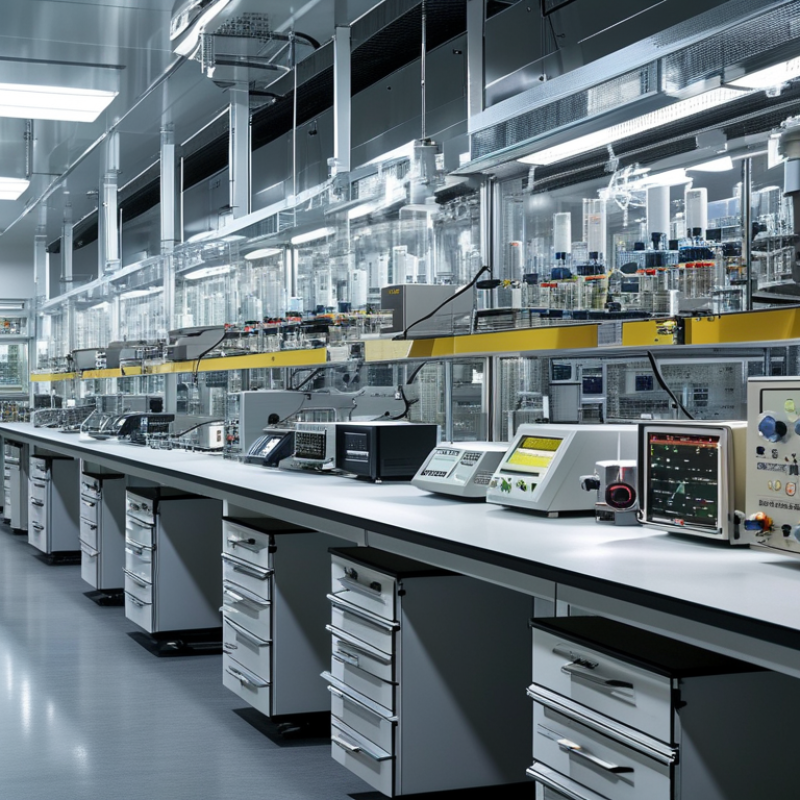
Why is Humidity Control Essential for Lab Equipment?

Understanding Humidity and Its Impact on Laboratory Environments

Humidity plays a crucial role in laboratory environments. It directly influences the performance and longevity of lab equipment. High humidity can lead to corrosion and damage sensitive instruments. Conversely, low humidity can cause static electricity, which affects electronic devices. Many labs operate with strict humidity controls to mitigate these risks.

Understanding how humidity affects materials is vital. It can impact chemicals and biological samples, altering their properties. For example, moisture can accelerate the degradation of certain compounds. Instruments like microscopes and spectrometers must remain within narrow humidity ranges. Precise measurements require careful control of both temperature and humidity levels.

Reflecting on these factors, it's clear that achieving optimal humidity is challenging. Regular monitoring and adjustments are necessary. Many laboratories face difficulties in maintaining ideal conditions. This can lead to equipment failures or compromised research quality. Addressing these issues proactively can save time and resources in the long run.

The Role of Humidity in Laboratory Equipment Functionality

Humidity plays a critical role in the functionality of laboratory equipment. For instance, excessive moisture can lead to corrosion, which affects the durability of sensitive instruments. Reports indicate that around 30% of laboratory apparatuses are affected by humidity imbalance. This can result in costly repairs and replacements. Proper humidity control prevents such issues and ensures consistent performance.

In biological labs, optimal humidity levels are crucial for experiments involving cell cultures. According to the American Society for Microbiology, high humidity contributes to the viability of cell cultures by maintaining cellular hydration. Conversely, too low humidity can cause evaporation of essential fluids, impacting test results significantly. Keeping humidity between 40% to 60% is typically recommended for most laboratory setups.

**Tips:** Regularly calibrating humidity sensors can avoid inaccuracies. It’s essential to routinely verify that equipment is functioning within the desired humidity range. Consider using data loggers to monitor conditions over time. Awareness of humidity effects leads to better decision-making in lab operations. Regular checks can help prevent potential failures, saving time, effort, and resources.

Importance of Humidity Control in Laboratory Equipment

Common Problems Caused by Improper Humidity Levels

Humidity control is crucial in lab environments. Improper levels can lead to significant problems. High humidity promotes mold and bacteria growth. This can contaminate samples and equipment. It also affects sensitive instruments. For instance, moisture can cause electrical failures or inaccurate readings.

Low humidity poses its own risks. Static electricity can build up, damaging delicate components. This is particularly harmful in labs that handle sensitive materials. Additionally, extremely dry air can lead to evaporation of volatile substances. This not only skews results but also compromises sample integrity.

Lab technicians often overlook humidity. Many focus on temperature or air quality instead. However, the consequences of neglecting humidity can be severe. Regular checks and proper equipment are necessary. Understanding these risks is essential for maintaining a reliable laboratory environment.

Effective Methods for Humidity Control in Labs

Humidity control in laboratories is vital for ensuring the accuracy and reliability of scientific experiments. Studies indicate that high humidity levels can lead to equipment malfunction or degrade sensitive samples. For instance, the American Society for Testing and Materials (ASTM) reports that a 10% increase in humidity can reduce the lifespan of electronic lab equipment significantly.

Effective methods for humidity control include dehumidifiers, proper ventilation, and climate-controlled storage rooms. Dehumidifiers use refrigeration to extract moisture from the air, effectively reducing humidity levels. Ventilation systems bring in fresh air, which can help regulate moisture levels. However, they must be designed carefully to avoid introducing contaminants. Climate-controlled rooms maintain a stable environment, using advanced HVAC systems to provide precise humidity and temperature control.

Yet, maintaining optimal humidity levels can be challenging. Fluctuations can occur due to seasonal changes or equipment failures. A recent survey by the Lab Manager found that 30% of labs experience issues with humidity regulation. Regular monitoring and maintenance are essential in preventing these lapses. It's crucial for lab managers to implement regular audits and training for staff to ensure consistent humidity management.

Monitoring and Maintaining Ideal Humidity Conditions in Laboratories

Humidity control plays a critical role in laboratory settings. It directly affects the performance and longevity of lab equipment. High humidity can lead to condensation, which can damage sensitive instruments. On the other hand, low humidity may contribute to static electricity, impacting precise measurements and reactions. Thus, maintaining the ideal humidity range is essential for accurate results.

Tips for achieving optimal humidity include regular monitoring with calibrated hygrometers. These devices provide real-time readings that are crucial for maintaining the right environment. Adjustments should be made promptly when deviations occur. Additionally, consider using dehumidifiers or humidifiers as needed. Proper ventilation also helps regulate humidity levels throughout the lab space.

Ensuring the right humidity is no small task. Equipment may sometimes fail to perform as expected. This could lead to erroneous data or results. Reflecting on past humidity mishaps can provide valuable insights. Continuous improvement in humidity control practices will enhance lab reliability and productivity. Regular training for lab staff can also improve awareness and adherence to humidity guidelines.

Why is Humidity Control Essential for Lab Equipment? - Monitoring and Maintaining Ideal Humidity Conditions in Laboratories

Lab Equipment Ideal Humidity Range (%) Potential Issues at High Humidity (%) Potential Issues at Low Humidity (%) Recommended Monitoring Method
Spectrophotometer 30 - 50 Condensation, corrosion Drift in baseline, noise Digital hygrometer
Incubator 40 - 60 Mold growth, overheating Dehydration of samples Humidity sensor
Thermal Cycler 20 - 40 Poor reaction efficiency Evaporation during runs Relative humidity meter
Microscope 30 - 50 Lens fogging, damage Deterioration of samples Analog hygrometer

FAQS

: Why is humidity control important in laboratories?

: Humidity control prevents mold growth and maintains equipment performance, ensuring sample integrity.

What happens if humidity levels are too high?

High humidity can cause mold and bacteria growth, damaging samples and leading to equipment failures.

What are the risks of low humidity in a lab?

Low humidity can generate static electricity and lead to the evaporation of volatile substances, affecting results.

How can I monitor humidity levels effectively?

Use calibrated hygrometers for real-time readings, making timely adjustments as necessary.

What equipment can help manage humidity in labs?

Dehumidifiers or humidifiers can be used, along with ensuring proper ventilation throughout the space.

Are lab technicians aware of humidity issues?

Many focus on temperature or air quality, often neglecting humidity's impact, which can lead to significant problems.

What are common mistakes related to humidity control?

Overlooking humidity checks and failing to use adequate equipment can lead to erroneous data collection.

How can labs improve their humidity management practices?

Regular staff training on humidity guidelines and reflecting on past mistakes can enhance awareness and practices.

What challenges might arise when maintaining ideal humidity?

Equipment may fail to perform as expected, leading to compromised data and results if humidity isn’t monitored closely.

How often should humidity levels be checked in a lab?

Regular checks are crucial, ideally daily or as often as needed, to ensure proper conditions are maintained.

Conclusion

Humidity control is vital for sensitive laboratory equipment because fluctuations in humidity can significantly affect the accuracy and longevity of vital instruments. Understanding humidity and its impact is crucial in laboratory environments, where precision is paramount. High or low humidity levels can hinder equipment functionality, leading to inconsistent results and potential damage.

Moreover, improper humidity can cause common problems such as corrosion, contamination, and malfunctioning of sensitive components. To combat these issues, implementing effective methods for humidity control, such as dehumidifiers, humidifiers, and climate monitoring systems, becomes essential. Regularly monitoring and maintaining ideal humidity conditions ensures optimal performance of laboratory equipment, safeguarding the integrity of research and experiments conducted in these environments.

Sienna

Sienna

Sienna is a skilled marketing professional with a deep expertise in our company’s core products and services. With a passion for innovation and detail, she plays a pivotal role in crafting insightful blog posts that not only highlight the unique features of our offerings but also provide valuable......