Medovia Medical
Modern anesthesia machines play a crucial role in surgical settings. Their features directly impact patient safety and procedural efficiency. This leads us to the question, "What features should I look for in a modern anesthesia machine?"
A reliable anesthesia machine must have advanced monitoring capabilities. It's essential to track patients' vital signs continuously. This ensures timely responses to any complications during anesthesia. Additionally, the machine should incorporate user-friendly interfaces. A clear display can significantly reduce the chances of user errors.
Moreover, consider the machine’s versatility. It should support various anesthesia techniques, catering to different surgical needs. Portability is another critical feature, especially in emergency settings. A machine that is easy to transport can make a significant difference. Identifying these features requires input from experienced healthcare professionals, reflecting on both their expertise and patient outcomes. In this evolving field, staying informed about the latest advancements is key.
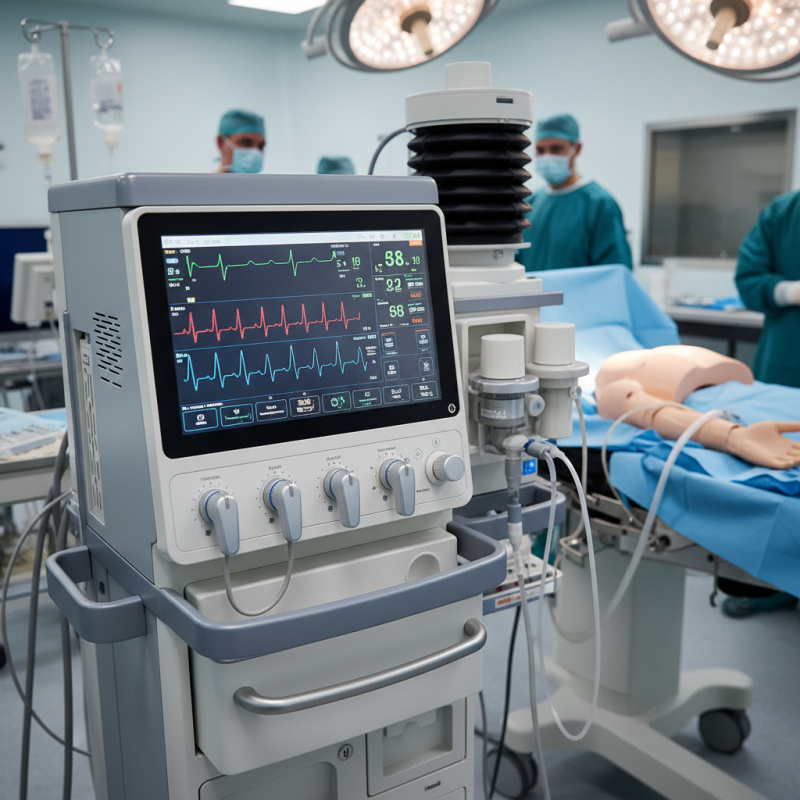
A modern anesthesia machine integrates essential components that enhance patient safety and procedural efficiency. Key elements include advanced delivery systems that ensure precise control of anesthetic agents. According to the Anesthesia Patient Safety Foundation, inaccuracies in drug delivery can lead to severe complications, highlighting the importance of reliable technology.
Modern machines often feature ventilators with various modes, allowing tailored respiratory support for diverse patient needs. Data from the American Society of Anesthesiologists indicates that effective ventilation settings can significantly reduce the risk of postoperative respiratory distress. Incorporating dual gas supply systems ensures continuous flow, minimizing interruptions during procedures.
**Tips:** Regularly calibrate machines to maintain accuracy. Consider training staff on the latest technological advancements. Monitor patient responses closely to adjust settings as needed. A robust maintenance schedule can help identify issues before they escalate.
Integrated monitoring capabilities are essential in modern anesthesia machines to enhance patient safety. According to a report by the Anesthesia Patient Safety Foundation, adequate monitoring significantly reduces adverse events during procedures. Technologies like real-time vital signs tracking and automated alarms can alert anesthesiologists to critical changes. These features ensure timely interventions, significantly impacting patient outcomes.
Modern machines should integrate both physiological monitors and anesthesia delivery systems. A study published in Anesthesiology revealed that comprehensive monitoring can improve detection rates of hypoxia by over 25%. This integration minimizes the chances of human error, which is crucial during high-stress situations in the operating room. The complexity of patient responses requires continuous observation; integrated systems facilitate this need.
Despite advancements, there are challenges to consider. Some monitoring systems can produce excessive data, overwhelming clinicians. This information overload can lead to errors in judgment or delayed responses. Continuous training for anesthetic providers on using these tools effectively is necessary to overcome this hurdle. Establishing a balance between advanced technology and user-friendliness is key to optimizing patient care.
User interfaces in modern anesthesia machines are crucial for effective patient care. A clear display of vital signs and drug dosages is essential. The design should allow for quick access to essential functions without clutter. Research indicates that intuitive interfaces improve operator efficiency by 20%. This is vital in high-pressure environments like operating rooms.
Tips for usability: Choose a machine with adjustable screen angles. This feature helps accommodate different user heights, improving visibility. Consider machines with customizable alerts. Settings should reflect the specific needs of the surgical team. An ideal machine minimizes training time, allowing staff to focus on patient safety.
It's important to acknowledge that technology is not infallible. User errors can still occur, especially with complex systems. Regular training and simulations can bridge gaps in knowledge. Continuous feedback from users can aid in machine improvements. Understanding how real-life interactions differ from design expectations can drive better outcomes in patient care.
When considering advanced breathing circuits in modern anesthesia machines, focus on adaptability and efficiency. Contemporary circuits improve patient safety by minimizing dead space. A recent report from the American Society of Anesthesiologists states that optimized dead space reduction can enhance ventilation efficiency by up to 25%.
Modern anesthesia machines offer a variety of ventilation modes. These include volume-controlled and pressure-controlled settings, catering to different patient needs. Evidence suggests that adaptive ventilation strategies can lower the risk of ventilator-induced lung injury. Implementing such modes requires careful observation and skilled adjustment. Not all machines support real-time data interpretation, which may lead to suboptimal patient outcomes.
The complexity of advanced circuits often results in a steep learning curve for anesthetists. Technical malfunctions in software or hardware can create challenges during high-stress situations, potentially compromising patient safety. Awareness of common pitfalls, such as inadequate circuit maintenance, is vital. Continuous training and simulation can help practitioners navigate these intricate systems effectively.
When considering maintenance pathways for modern anesthesia machines, professionals must prioritize reliability. Regular maintenance checks are crucial. They can identify wear and tear before it becomes a significant issue. Often, technicians detect minor issues during routine inspections. This proactive approach extends the lifespan of the machine.
Upgrading software and hardware is essential for functionality. Many machines allow for easy software updates. Maintaining up-to-date technology ensures compliance with safety regulations. However, not all hospitals invest in upgrades consistently. This reluctance can create gaps in patient safety protocols.
Moreover, training staff on equipment use is vital. Knowledge gaps can lead to improper usage and maintenance neglect. Encourage teams to report anomalies and educate them about potential issues. Empowering staff ensures they play an active role in the machine's longevity. This collaborative approach can lead to better outcomes for patients and the institution alike.
| Feature | Description | Importance | Maintenance Frequency |
|---|---|---|---|
| Advanced Monitoring | Real-time vital signs and anesthesia delivery tracking | High | Daily |
| User-Friendly Interface | Intuitive keyboard and touchscreen controls | Medium | Monthly |
| Integrated Ventilation | Mechanically advanced settings tailored for various patients | High | Weekly |
| Upgrade Pathways | Capabilities to add new features as technology evolves | Medium | As Needed |
| Safety Features | Alarms, automated checks, and fail-safes for patient protection | Very High | Daily |
: It enhances patient safety and procedural efficiency through essential components.
They use advanced delivery systems that precisely control anesthetic agents.
Dual gas supply systems minimize interruptions during procedures, ensuring uninterrupted care.
They provide tailored respiratory support, reducing the risk of postoperative respiratory distress.
It tracks vital signs in real time, alerting clinicians to critical changes promptly.
They can produce excessive data, leading to information overload for clinicians.
Regular calibration ensures accuracy in drug delivery and overall device performance.
Staff training on technology helps optimize use and improves patient outcomes.
They should focus on essential information to avoid errors in judgment.
Continuous observation is needed, as complex responses can require adjustments during procedures.
When considering what features to look for in a modern anesthesia machine, it is essential to focus on various key components that enhance functionality and safety. A contemporary anesthesia machine should have integrated monitoring capabilities, ensuring patient safety through real-time assessment of vital signs. The user interface and usability features are equally important, as they promote ease of use and efficiency for healthcare providers during procedures.
Furthermore, advanced breathing circuits and ventilation modes are critical for adapting to diverse patient needs, allowing for customizable ventilation strategies. Lastly, maintenance and upgrade pathways should be evaluated to ensure the longevity and relevance of the anesthesia machine in a rapidly evolving medical environment. By prioritizing these features, healthcare professionals can enhance the quality of care for their patients.
