 Medovia Medical
Medovia Medical
Medovia Medical
The longevity of high-end medical equipment is crucial for healthcare facilities. According to the Global Market Insights report, the global demand for medical devices is expected to reach USD 612.7 billion by 2025. High-end machinery, such as MRI machines and surgical robots, often comes with hefty price tags. The need to maximize the return on such investments raises the question: How to extend the lifespan of high-end medical machinery?
Maintenance is often overlooked but is vital. Regular servicing not only ensures optimal performance but also prevents costly breakdowns. A study by the Association for the Advancement of Medical Instrumentation (AAMI) highlighted that timely maintenance could enhance equipment longevity by 20%-30%. However, many hospitals fail to implement systematic maintenance protocols, which leads to premature failures.
While technology evolves, staff training remains an area needing attention. Investing in training can help minimize user errors and prolong equipment life. A report from Frost & Sullivan indicates that improper handling is responsible for 40% of medical device failures. Consequently, creating a more knowledgeable workforce can directly impact the durability of these machines. Focusing on these aspects brings us closer to the goal of preserving high-end medical machinery for longer periods.
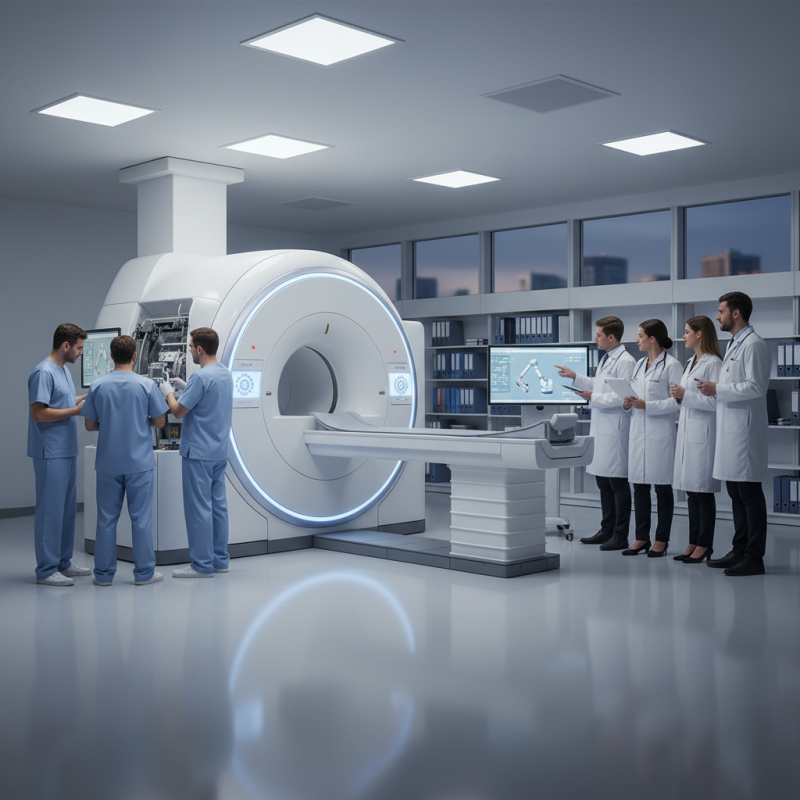
High-end medical equipment requires consistent care to ensure optimal performance and longevity. Regular maintenance is key. According to the Equipment Maintenance Association, proper upkeep can extend the lifespan of medical devices by up to 30%. Neglecting routine checks can lead to malfunctions and reduce equipment reliability.
Implementing a structured maintenance schedule is essential. Facilities should develop a timeline for inspections, calibrations, and updates. Daily checks, like verifying power and functionality, can catch issues early. A study by the Journal of Clinical Engineering highlights that facilities that conducted regular maintenance reported 20% fewer equipment failures.
Tips: Train staff regularly on equipment handling. Encourage them to report any irregularities. Small issues can escalate quickly without attention. Also, maintain an inventory of replacement parts. This can reduce downtime during repairs and prevent panic when equipment fails unexpectedly. Regular assessments and staff involvement create a culture of care. This investment in maintenance pays off significantly in the long run.
| Maintenance Strategy | Frequency | Responsibility | Expected Outcome |
|---|---|---|---|
| Calibrations | Monthly | Biomedical Engineer | Accurate readings and measurements |
| Routine Cleaning | Weekly | Qualified Technician | Reduced contamination risk |
| Software Updates | Quarterly | IT Support | Enhanced functionality and security |
| Performance Testing | Biannually | Quality Assurance Team | Identifying potential failures |
| Annual Inspections | Annually | External Auditor | Compliance and safety assurance |
: Calibration ensures measurement accuracy, which is vital for patient safety and effective treatment.
Neglecting calibration can lead to incorrect dosages and misdiagnoses, increasing medical errors.
Routine checks can reduce measurement errors and ensure devices operate within specified parameters.
Proper training helps staff handle devices correctly, minimizing avoidable mistakes and extending equipment lifespan.
Staff need to learn about specific equipment requirements, including calibration and maintenance tasks.
Feedback can highlight training gaps, allowing for more targeted support and enhanced training materials.
A good inventory system monitors equipment status and usage, ensuring timely maintenance and replacements.
Audits can uncover issues like outdated equipment still in use, preventing potential failures.
Unique identifiers aid in tracking equipment and scheduling maintenance efficiently.
Understanding the impact of proper usage on equipment lifespan leads to better care and reliability.
To effectively address the question of "How to extend the lifespan of high-end medical machinery?", a comprehensive approach involving several key strategies is essential. Regular maintenance is crucial, as it helps identify potential issues before they escalate. Understanding the importance of calibration ensures that medical devices function accurately and efficiently, which is vital for patient safety.
Additionally, adhering to best practices for cleaning and sanitizing equipment not only promotes hygiene but also prevents degradation over time. Moreover, training staff on proper usage and handling techniques significantly reduces the risk of accidental damage. Lastly, implementing a robust inventory management system supports streamlined operations and timely maintenance, further enhancing the longevity of high-end medical equipment. By applying these strategies, healthcare facilities can maximize both the performance and lifespan of their sophisticated machinery.
