Medovia Medical
In the realm of scientific research, automated lab devices play a crucial role in enhancing accuracy and efficiency. However, these devices are not infallible. What are the common types of errors in automated lab devices? Identifying these errors is essential for maintaining reliability in experimental results.
Errors can stem from various sources, including human interaction, calibration issues, and software bugs. Each error type can lead to significant discrepancies in data. For instance, a miscalibrated pipette may deliver incorrect volumes, impacting the entire experiment. Observations of regular maintenance can often reveal hidden problems.
Not all errors are apparent at first glance. Some may require thorough investigation to unearth. Researchers must approach their findings with a critical eye, always questioning the reliability of their automated tools. Acknowledging potential mistakes creates an environment of constant improvement.
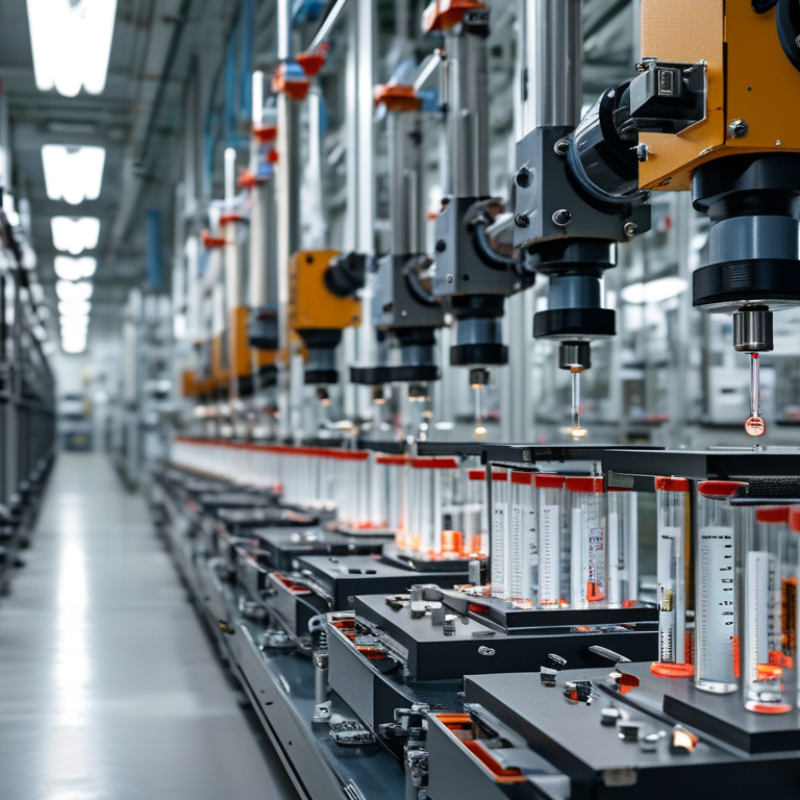
Automated lab devices have revolutionized laboratory practices, but they are not infallible. Identifying common errors in these systems is crucial for ensuring data accuracy. Reports indicate that about 30% of laboratory errors stem from equipment malfunctions or misconfigurations. One prevalent error type is software glitches, which can occur during updates or integration with other systems. Regularly reviewing software functionality can prevent these issues.
Another significant source of error is calibration failures. Studies reveal that nearly 20% of inaccuracies arise when equipment is not calibrated correctly. This miscalibration can lead to skewed results and costly experiments. It is vital to establish a routine calibration schedule based on manufacturer guidelines.
To avoid such pitfalls, here are some pointers. Monitor device performance trends over time. Frequent anomalous results could signal underlying issues. Conduct regular training sessions for staff. Their familiarity with the equipment will enhance operational efficiency and reduce errors. Finally, consider implementing an error-detection protocol. This method can help to catch mistakes before they propagate throughout the lab processes.
Errors in lab automation arise from various factors. Hardware malfunctions can lead to inconsistent results. For instance, malfunctioning pipetting systems may dispense incorrect volumes. Sensors that are not properly calibrated can also cause significant deviations in data output. Attention to maintenance schedules is critical, but many labs overlook this necessity.
Software issues represent another major contributor. Bugs in the code or errors in data handling can skew results profoundly. User interfaces that are not intuitive can lead to operator mistakes. Furthermore, inadequate training often results in human errors during operation, despite the reliability of the devices themselves.
Environmental factors shouldn't be ignored either. Variations in temperature or humidity can affect the performance of automated systems. Labs must establish controlled environments to mitigate these risks. However, maintaining these conditions is often challenging, leading to increased errors. Continuous reflection on these aspects is crucial for improving automation reliability.
Identifying errors in automated lab devices is crucial for maintaining the integrity of results. Automated systems can make mistakes that human operators might overlook. One effective method involves regular calibration checks. This ensures that devices perform within their specified range. Observing trends in test results can also reveal inconsistencies. If results fluctuate unexpectedly, it may indicate a malfunction.
Another practical approach is documentation of all device interactions. Keeping track of manual adjustments and maintenance schedules can highlight areas needing improvement. It’s essential to train staff on recognizing error signs, fostering a culture of vigilance. Regular training workshops can enhance understanding and reduce human error. However, even with these measures, gaps in monitoring can still exist.
Engaging in routine audits can expose flaws in reliability. Inspecting data logs from automated systems may reveal patterns that require further investigation. Peer reviews of lab results can also contribute to identifying discrepancies. While automated devices streamline workflows, they are not infallible. Acknowledging their limitations fosters a proactive approach in error management.
In laboratory settings, accuracy is crucial. Automated lab devices can make errors that lead to significant issues. One effective way to prevent errors is regular calibration. Ensure each device is checked against control samples. Simple routine checks can reveal discrepancies before they affect results. This practice enhances reliability and builds trust in the data produced.
Training personnel is another essential aspect. Staff should understand how to operate devices properly. Knowledgeable operators are less likely to make mistakes during setup or execution. Implementing a continuous training program for all users helps maintain high standards. Consider sharing experiences from both successes and failures to foster improvement.
Finally, review data outputs routinely. Automated systems can generate complex data sets. It’s easy to overlook subtle errors in these results. Regular audits and peer reviews can illuminate inconsistencies. Emphasizing a culture of reflection encourages everyone to identify areas for improvement. Striving for perfection in lab results is ongoing; mistakes can provide learning opportunities.
In automated laboratory environments, identifying errors in devices can be challenging. The complexity of these systems often obscures issues until they manifest as significant problems. Effective error detection relies heavily on specific tools and technologies designed for automation. These tools can monitor performance in real-time, ensuring that any deviations from standard operations are immediately flagged.
Modern sensor technologies play a crucial role in this process. These sensors can detect subtle changes in temperature, pressure, or chemical composition. For example, a sudden spike in temperature in a sample vial can indicate a malfunction in the device. However, the sheer volume of data generated can sometimes overwhelm operators. This creates a need for sophisticated data analytics tools that sift through this information, identifying patterns that might indicate underlying problems.
Another aspect to consider is the human component. Despite advanced technologies, human error can still impact device performance. Training personnel in the nuances of operating these devices is essential. Even the best technology cannot replace the need for skilled professionals who can interpret data correctly. Continuous education and feedback loops should be established to enhance understanding and response to potential errors. A combination of technology and human expertise is key to successfully identifying and mitigating errors in automated lab devices.
: Common errors include software glitches, calibration failures, and equipment malfunctions.
Establish a routine calibration schedule based on guidelines to avoid inaccuracies.
They may signal underlying issues with the device that need attention.
Regular training enhances understanding and operational efficiency, reducing errors.
Sensors monitor changes in temperature or pressure, helping identify malfunctions.
It highlights areas needing improvement and tracks manual adjustments over time.
Routine audits can expose flaws in reliability and reveal patterns requiring attention.
The overwhelming data can obscure issues, necessitating advanced analytics tools.
Yes, even with advanced technology, human interpretation is vital for accuracy.
Continuous education and feedback loops help refine error response strategies.
In the realm of laboratory automation, understanding the intricacies of error identification is crucial for maintaining efficiency and accuracy. One of the primary concerns is "What are the common types of errors in automated lab devices?" These can include software glitches, mechanical malfunctions, and user input mistakes. Various factors contribute to these errors, such as inadequate training of personnel, environmental influences, and equipment maintenance issues.
To effectively identify errors in automated systems, laboratories must implement systematic observation methods, regular performance audits, and real-time monitoring tools. Best practices for preventing these errors also play a significant role, including routine calibration, comprehensive training programs, and using advanced error detection technologies. By adopting these strategies, laboratories can enhance the reliability of their automated devices and facilitate smoother operations.
