In modern healthcare, the precision of vital sign monitoring is paramount. This leads to the question, "How do patient monitors track vital signs accurately?" Understanding the mechanisms behind these devices can illuminate their role in patient care. Patient monitors utilize advanced sensors and algorithms to collect and analyze data in real-time.
These devices measure parameters like heart rate, blood pressure, and oxygen saturation. However, the accuracy of readings can be influenced by several factors, including sensor placement and patient movement. Inconsistent results may arise from environmental interference or equipment malfunction. This highlights a critical aspect of healthcare: while technology advances, human oversight remains essential.
Ensuring accurate tracking involves continuous training and vigilance from healthcare professionals. They must understand the strengths and limitations of monitoring systems. The intricate dance between technology and experience is what ultimately ensures reliable patient outcomes. This takes us back to the original query on the accuracy of vital sign tracking. The complexities of this relationship demand careful consideration and ongoing reflection.
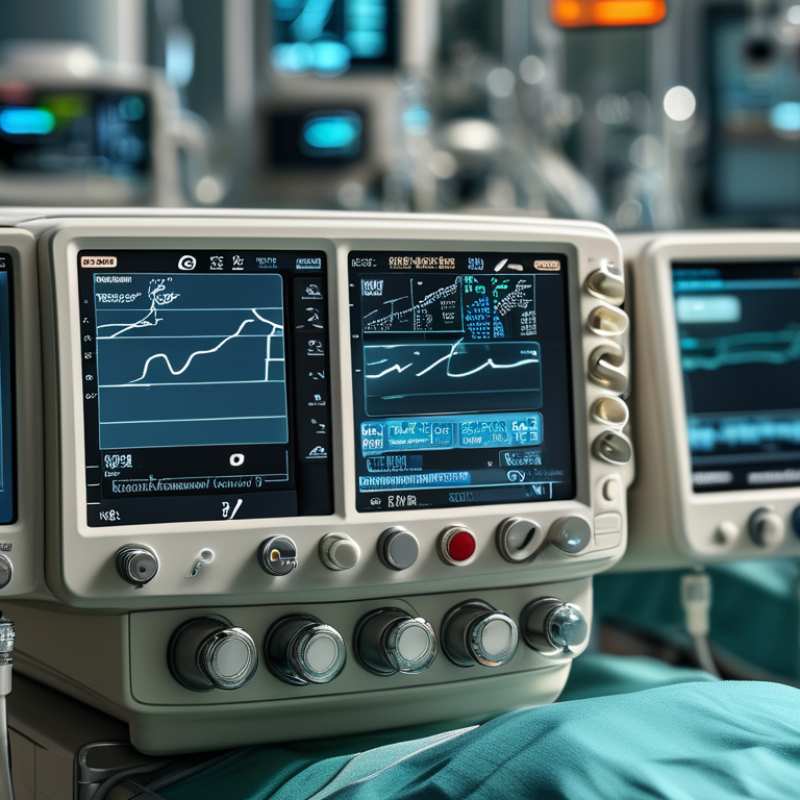
Overview of Vital Signs and Their Importance in Patient Monitoring
Vital signs play a crucial role in patient monitoring. They include
heart rate,
blood pressure,
respiratory rate,
and temperature. Each sign provides vital information about a patient's health status.
Accurate tracking of these signs is essential in healthcare settings.
Monitoring can detect early signs of deterioration or complications.
To enhance accuracy, consider calibration of monitoring devices regularly. Devices can drift over time,
affecting readings. Always cross-reference with manual checks when possible. Ensure that sensors are
correctly placed, as misplacement can lead to false readings. If a patient is in motion, it may skew results, so aim for a stable environment
during readings.
Additionally, training staff on the importance of vital signs is essential. Understanding how each sign reflects the body's condition helps in
making informed decisions. Encourage open communication among the healthcare team regarding any discrepancies noticed.
Accurate vital sign monitoring is not just about technology; it requires vigilance and
collaboration among caregivers. Misinterpretation can happen, and if a reading seems off, investigate further.
Types of Patient Monitors: Features and Functions Explained
Patient monitors are essential tools in healthcare. They provide real-time data on vital signs like heart rate, blood pressure, and oxygen saturation. These monitors come in various types, each designed with specific features to enhance patient care. Understanding these types can help in choosing the right monitor for specific clinical needs.
Telemetry monitors, for instance, allow for wireless tracking of patients in different locations. They enable constant monitoring while maintaining patient mobility. However, their reliance on wireless connections can lead to interruptions, highlighting the need for reliable technology. Bedside monitors, on the other hand, offer immediate data to healthcare providers. These devices are crucial in intensive care units, where every second matters. Yet, they can be complex and may require significant training for accurate use.
Different monitors also vary by their ability to integrate with electronic health records (EHR). This integration enhances data accuracy but adds complexity for healthcare staff. Accurate tracking of vital signs is essential, yet mistakes can occur. Understanding the nuances of each monitor type can help professionals minimize these errors. The goal should always be to improve patient outcomes through precise and reliable monitoring.
Patient Vital Signs Monitoring
Key Technologies Used in Measuring Vital Signs Accurately
Modern patient monitors employ various technologies to measure vital signs like heart rate, blood pressure, and oxygen saturation accurately. According to the American Heart Association, incorrect readings can lead to misdiagnosis and improper treatment. Therefore, understanding the technologies behind these measurements is crucial for healthcare professionals.
One key technology is pulse oximetry, which estimates blood oxygen levels using light absorption. This non-invasive method is widely trusted for its speed. However, it can be affected by motion or poor circulation, leading to erroneous readings. It's important for medical staff to be aware of these limitations and to verify results through additional means, such as arterial blood gas tests.
Another important tool is the electrocardiogram (ECG), which monitors the electrical activity of the heart. Studies indicate that real-time ECG monitoring can significantly improve patient outcomes. Nevertheless, interpreting ECG data requires expertise and training. Even with advanced technology, human error remains a risk that professionals must consider.
To ensure accuracy, healthcare providers should regularly calibrate their monitoring equipment. They must also stay updated on training and best practices. It’s essential to minimize distractions during monitoring to maintain focus and accuracy. Remember, technology is an aid, not a replacement for attentive care.
How Patient Monitors Accurately Track Vital Signs Tips - Key Technologies Used in Measuring Vital Signs Accurately
| Vital Sign |
Measurement Technology |
Accuracy (%) |
Common Usage |
| Heart Rate |
Photoplethysmography (PPG) |
95 |
Cardiac monitoring, fitness tracking |
| Blood Pressure |
Oscillometric Method |
90 |
Hypertension assessment, preoperative evaluation |
| Temperature |
Infrared Thermometry |
98 |
Fever detection, surgical monitoring |
| Oxygen Saturation |
Pulse Oximetry |
93 |
Respiratory conditions, sleep studies |
| Respiration Rate |
Capnometer |
92 |
Anesthesia monitoring, COPD management |
Best Practices for Maintaining Accuracy in Patient Monitoring
Ensuring accuracy in patient monitoring is crucial for effective healthcare delivery. One key practice is regular calibration of monitoring devices. This process helps align equipment performance with clinical standards. For example, a blood pressure monitor can show significant variance if not calibrated correctly. Regular checks can prevent false readings that lead to misdiagnosis.
Training staff on how to use monitoring equipment is equally important. Understanding the proper application of sensors or leads can influence data quality. A misplaced sensor may lead to unreliable heart rate readings. Continuous education helps clinical staff stay informed about the latest practices. Knowledge gaps can lead to errors, impacting patient safety.
Finally, be mindful of environmental factors. Electromagnetic interference from nearby machines can distort signals. Maintaining a clean and organized space reduces such risks. Patients stationed in crowded areas may experience more frequent disruptions. Addressing these issues proactively can enhance the reliability of vital sign tracking. Reflecting on these aspects promotes a culture of accuracy and trust in patient monitoring systems.
Interpreting Data: Understanding Vital Signs Trends and Anomalies
Interpreting vital signs accurately requires a keen understanding of trends and anomalies. Heart rate, blood pressure, and oxygen saturation are key indicators of a patient's health. These numbers can shift due to various factors like stress or medication changes. Monitoring these changes helps in catching potential complications early.
A sudden spike in heart rate might signify anxiety or pain. Conversely, a gradual decline could indicate fatigue or impending shock. It’s essential to ask questions when data doesn’t match your expectations. What else could be influencing these readings? Anomalies can sometimes hint at underlying issues that need attention.
Remember, trends over time often matter more than single readings. A consistent pattern may reveal chronic conditions. Short-term fluctuations can mislead practitioners if not considered in context. Continuous education on the interpretation of data can empower caregivers. It fosters a proactive stance in patient management, highlighting the importance of not overlooking subtle, yet critical insights.
Conclusion
In the realm of healthcare, understanding how patient monitors track vital signs accurately is crucial for ensuring optimal patient care. This process begins with an overview of vital signs, such as heart rate, blood pressure, respiratory rate, and temperature, which serve as key indicators of a patient's health status. Different types of patient monitors come equipped with various features and functions tailored to track these vital signs effectively, utilizing advanced technologies like sensors and algorithms to enhance measurement precision.
To maintain accuracy in patient monitoring, best practices must be followed, including regular calibration and proper placement of monitoring devices. Moreover, interpreting the data collected is essential for recognizing trends and anomalies in vital signs, which can provide significant insights into a patient's condition. By adhering to these guidelines, healthcare providers can leverage patient monitors to deliver timely and informed care.
 Medovia Medical
