Medovia Medical Medovia Medical

How to Prepare a Room for X-ray Machine Installation?

Time:2026-06-22 Author:Sophia
0%

Installing an X-ray machine is a significant step in any healthcare facility. It requires careful planning and attention to detail. Understanding how to prepare a room for the installation of an X-ray machine is crucial. The goal is to create a safe and efficient environment for both patients and staff.

The room must comply with safety regulations. Adequate space for the machine and its movement is essential. Proper shielding against radiation exposure should be a priority. Consideration of electrical and plumbing needs is also vital. This preparation sets the stage for effective usage of the X-ray machine.

It's important to reflect on potential challenges during installation. Inadequate space or unclear workflows could lead to issues. Collaborating with experienced professionals can prevent costly mistakes. Ensuring a well-organized setup enhances the overall functionality of the X-ray facility.
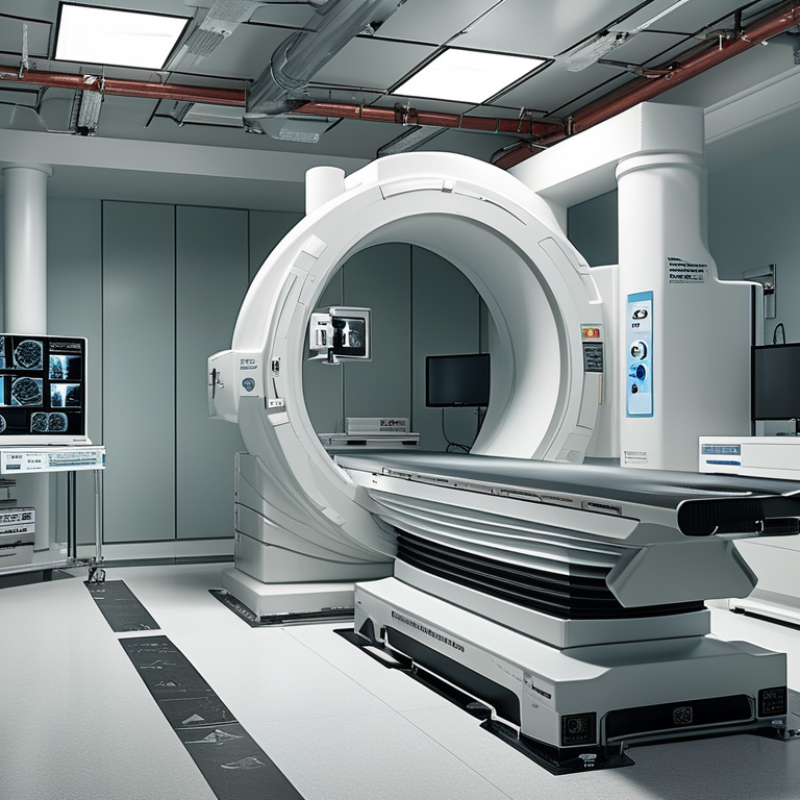
How to Prepare a Room for X-ray Machine Installation?

Understanding the Space Requirements for X-ray Machines

When preparing a room for X-ray machine installation, understanding space requirements is crucial. The area must have enough square footage to accommodate the machine and personnel. Typically, you need a space of at least 300 square feet. This ensures easy access and safety for both patients and operators. Consider the layout carefully. Inefficient layouts can lead to workflow disruptions.

Ceiling height is another important consideration. Many X-ray machines require at least 8 feet of clearance. This height allows for proper machine positioning and patient comfort. Additionally, the room should have proper shielding to protect against radiation. Lead-lined walls and doors can help reduce exposure. Regular checks on these protective features are essential, as wear and tear can decrease effectiveness.

Lighting and ventilation are also significant. Bright, adjustable lighting helps improve visibility during procedures. Adequate ventilation keeps the room comfortable, which is vital for both patients and staff. Ensure there are sufficient outlets for equipment. Check the reliability of power sources, as interruptions can impact operations. A well-prepared room will ultimately enhance patient care and staff efficiency.

Evaluating Electrical Needs and Safety Standards for Installation

When preparing a room for an X-ray machine, evaluating electrical needs is crucial. X-ray machines require a stable power supply to function properly. The electrical system must accommodate high voltages and currents without causing fluctuation. Ideally, the room should have dedicated circuits to handle the machine's demands. Outdated wiring can lead to malfunctions, so it’s wise to consult an electrician.

Safety standards are equally important. Proper shielding is necessary to protect patient and staff from radiation exposure. Walls, doors, and even floor space may need specialized materials. Enhancing the room's safety features cannot be overlooked. Regular checks for radiation leaks should also be part of the ongoing maintenance routine. Reflecting on past installations can guide improvements for current setups.

Unexpected issues often arise during preparation. Sometimes ventilation can be inadequate, affecting temperature control for sensitive equipment. Ignoring these factors can lead to costly repairs later. Addressing electrical and safety needs should be a thorough process. Taking time to evaluate all aspects ensures compliance with regulations and promotes a safe environment for everyone involved.

Acoustics and Radiation Shielding Considerations in Room Design

When preparing a room for X-ray machine installation, acoustics and radiation shielding are essential factors. The room's walls should be constructed with materials that prevent radiation leakage. According to the American Association of Physicists in Medicine (AAPM), lead lined walls are common. The AAPM recommends a minimum thickness of 1.5 mm of lead for most X-ray rooms. However, the actual shielding needed varies based on room size and usage frequency.

Acoustic considerations also play a vital role in room design. Proper soundproofing is necessary to minimize noise from the machine and other hospital activities. Studies indicate that excessive noise can lead to increased stress for patients. Sound-absorbing materials, such as acoustic panels, can help achieve a quieter environment. These panels should be placed strategically, aiming for a noise reduction coefficient (NRC) of at least 0.80 to ensure effective sound absorption.

It's crucial to balance radiation shielding with acoustic strategies. Overly thick walls may inadvertently lead to sound reverberation. Designers should regularly reassess materials used to find optimal solutions. Collaboration between architects and medical professionals creates a functional space that prioritizes patient comfort while ensuring safety. Understanding the needs of both acoustics and radiation protection lays the foundation for effective room preparation.

Compliance with Regulatory Guidelines for Medical Imaging Facilities

Preparing a room for the installation of an X-ray machine requires strict adherence to regulatory guidelines. Compliance with these guidelines ensures patient safety and optimal imaging quality. It is essential to study the local regulations and national standards. This involves understanding specific requirements for room size, shielding, and environmental controls.

The layout of the room must facilitate safe access for staff and patients. Ensure that walls have appropriate lead shielding to block radiation. Install secure doors that prevent unauthorized access. Ventilation systems should maintain air quality and temperature. It is crucial to think about the workflow as this can affect efficiency and safety.

Consider the placement of viewing screens, control panels, and workstations. These should enable effective observation of the imaging process. There may be a temptation to cut corners to save time or costs. However, this could lead to non-compliance and potential hazards. Every decision must reflect a commitment to patient care and regulatory adherence. Regular audits and staff training are vital for maintaining compliance over time.

Essential Infrastructure and Workflow Optimization for X-ray Rooms

Setting up an X-ray room requires careful planning in both infrastructure and workflow. A dedicated space is crucial. Ensure adequate room size to accommodate the equipment, staff, and patients. The room should be soundproof and lead-lined to ensure safety and privacy. Proper ventilation is also necessary to maintain a comfortable environment.

Workflow optimization significantly impacts efficiency. Establish clear zones for patient prep, imaging, and reporting. This minimizes patient wait times. Staff flow should be logical. Consider where to place equipment for easy access. Electrical outlets should be positioned conveniently. Streamlined communication between the radiology team enhances coordination, but challenges may arise regarding space constraints.

It's vital to evaluate current practices and identify bottlenecks. Regularly seek feedback from staff and patients. Flexibility in layout may improve workflow as needs evolve. Striking a balance between safety, accessibility, and efficiency is essential. While a perfect system may be elusive, ongoing adjustments are key to achieving a more effective X-ray room.

X-ray Room Preparation Factors

FAQS

: What is the minimum space requirement for an X-ray room?

: An X-ray room should have at least 300 square feet of space for safety and access.

How high should the ceiling be in an X-ray room?

Ideally, the ceiling should have a clearance of at least 8 feet for machine positioning.

Why is radiation shielding important in X-ray rooms?

Shielding protects against radiation exposure, ensuring safety for patients and staff.

What type of materials should be used for radiation shielding?

Walls should be lead-lined, with a minimum thickness of 1.5 mm for effective protection.

How can noise levels be managed in an X-ray room?

Using sound-absorbing materials, like acoustic panels, helps reduce noise and improves patient comfort.

What is a good practice for workflow in X-ray rooms?

Create distinct zones for patient prep, imaging, and reporting to enhance efficiency and reduce wait times.

How can staff get feedback on room setup?

Regularly seek input from staff and patients to identify areas for improvement in the workflow.

Why is proper ventilation necessary in X-ray rooms?

Good ventilation maintains a comfortable environment for both patients and staff during procedures.

What challenges might arise with X-ray room layouts?

Space constraints can complicate equipment placement and workflow efficiency.

How often should room features be reassessed?

Regular evaluations of materials and layout are key to maintaining effective operation and comfort.

Conclusion

Preparing a room for the installation of an X-ray machine involves several critical steps to ensure safety and efficiency. First, it is essential to understand the space requirements specific to X-ray machines, allowing for adequate movement and accessibility. Evaluating the electrical needs is crucial, as it must comply with safety standards to support the machine's operation.

Acoustic considerations and radiation shielding are also vital in room design to protect both patients and staff from excess noise and radiation exposure. Compliance with regulatory guidelines is necessary for medical imaging facilities to maintain operational standards and patient safety. Finally, considering the essential infrastructure and optimizing workflow will enhance the efficiency of the X-ray room, ultimately improving patient care. These elements combine to provide a comprehensive approach on how to prepare a room for the installation of an X-ray machine.

Sophia

Sophia

Sophia is a dedicated marketing professional with an exceptional depth of knowledge about her company's products and services. With a keen understanding of market trends and customer needs, she crafts insightful blog posts that not only inform but also engage readers, enriching the company’s online......