Medovia Medical
In the medical field, the reliability of equipment is crucial. Hospitals depend on advanced medical gear to deliver effective care. However, equipment failures can lead to serious consequences for patients. This raises the important question: Why is preventive maintenance better than reactive repair for medical gear?
Preventive maintenance focuses on regular inspections, servicing, and updates. By proactively addressing potential issues, healthcare facilities can avoid unexpected breakdowns. On the other hand, reactive repair waits until equipment fails. This approach often results in costly downtime and emergency repairs. The statistics show that hospitals with preventive maintenance programs experience fewer equipment-related incidents.
Moreover, preventive strategies enhance the lifespan of medical gear. Regular checks identify wear and tear before it escalates. This leads to improved patient outcomes and greater trust in healthcare services. Yet, implementing preventive maintenance requires commitment. It involves training staff and may demand initial investments. Nonetheless, the long-term benefits outweigh these challenges. Prioritizing preventive practices can ultimately safeguard both patients and the facility's reputation.
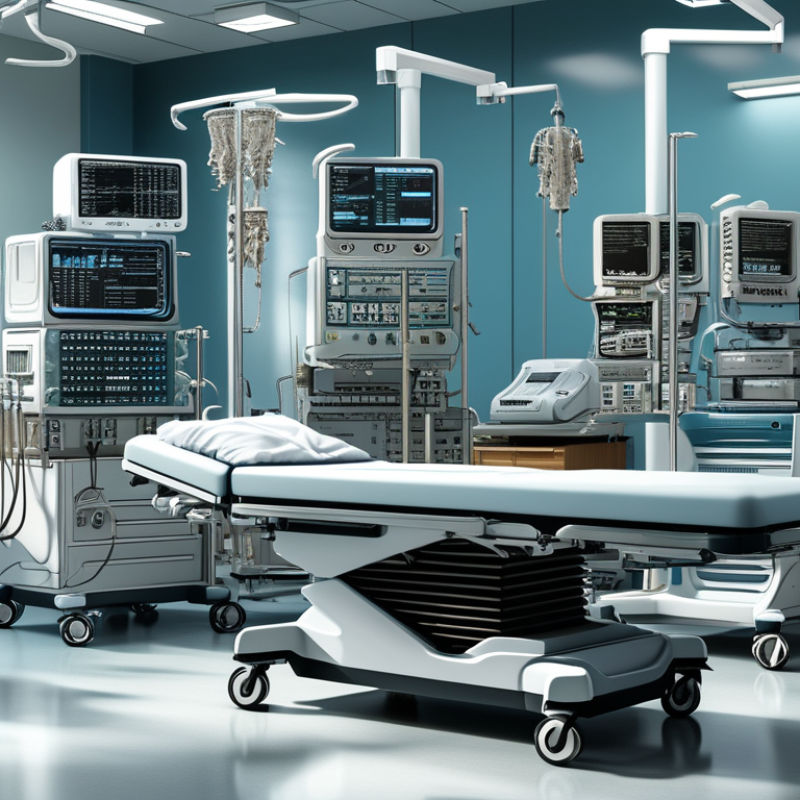
Preventive maintenance plays a crucial role in healthcare technology. It focuses on regularly scheduled maintenance tasks. This approach helps to identify issues before they become critical. Facilities must adopt preventive practices to ensure medical gear reliability. Equipment breakdowns can lead to delays in patient care. This can affect both outcomes and satisfaction rates.
Tips for implementing preventive maintenance include creating a routine checklist for inspections. Regularly assess your medical devices. Document any anomalies you notice during use. Equip staff with training on equipment features and maintenance protocols. This promotes a culture of proactive care. It’s essential to allocate enough time for these maintenance tasks.
For a deeper impact, involve your team in the maintenance process. Encourage them to report any abnormalities immediately. This builds a sense of ownership and accountability. Remember, a minor issue today can lead to a major failure tomorrow. Being proactive not only saves time but also preserves the integrity of healthcare services.
Medical equipment is essential in hospital operations. Statistics reveal a concerning trend: around 30% of medical devices fail within their first five years. This high failure rate can lead to increased downtime. Reactive repairs often create chaos. They are typically more expensive and time-consuming than preventive maintenance. A hospital can spend an average of $12,000 for an emergency repair. Such costs add up quickly, straining budgets.
Preventive maintenance can drastically reduce these issues. Regular check-ups can lead to a 25% decrease in equipment failures. When staff prioritize maintenance, patient care improves. It builds a safer environment. However, some facilities still overlook these practices. They focus on immediate fixes rather than long-term solutions. This short-sightedness can lead to critical equipment failures at the worst times.
Data suggests that hospitals investing in preventive maintenance experience fewer delays. They report a more reliable fleet of medical devices. Properly maintained equipment supports better outcomes. As the healthcare industry evolves, embracing preventive strategies should be a priority. Hospitals can’t afford to wait for problems to arise.
| Equipment Type | Failure Rate (%) | Preventive Maintenance Cost ($) | Reactive Repair Cost ($) | Downtime (Hours) |
|---|---|---|---|---|
| X-Ray Machines | 15% | 500 | 3000 | 10 |
| MRI Machines | 22% | 800 | 4500 | 15 |
| Ultrasound Devices | 10% | 300 | 1200 | 5 |
| Infusion Pumps | 12% | 250 | 1500 | 4 |
| Ventilators | 18% | 700 | 4000 | 8 |
Preventive maintenance is essential for medical gear. This approach focuses on routine checks and repairs before failures occur. It directly impacts patient safety and care. Regular maintenance ensures that equipment functions optimally. This proactive method reduces the risk of unexpected breakdowns, which can endanger lives.
For instance, imagine a defibrillator failing during a critical moment. Such failures could be avoided with preventive measures. Regular testing and servicing can prolong equipment life and improve reliability. Healthcare facilities that prioritize preventive maintenance often see fewer incidents. Staff can focus more on patient care, knowing their tools are dependable.
However, some facilities still lean towards reactive repair. This can stem from budget constraints or lack of awareness. Ignoring preventive maintenance leads to larger problems. Equipment might break down more frequently, causing delays in treatment. Investing in regular maintenance is crucial for providing safe, effective care. Striking a balance between costs and proactive measures can greatly enhance patient safety.
Preventive maintenance (PM) significantly reduces long-term costs for medical gear. A report from the
National Institute of Health states that PM reduces equipment failures by up to 30%. In contrast,
reactive repair (RR) often incurs higher expenses, sometimes reaching three to five times the cost of regular maintenance.
For hospitals, this can lead to budget strains and unexpected financial burdens.
In addition to direct savings, PM improves equipment reliability. Reliable gear enhances patient care by minimizing
downtime. A study from the American Journal of Medicine shows that facilities emphasizing PM achieve better patient outcomes.
However, despite these benefits, some organizations still opt for RR due to budget constraints. This can result in consistently higher maintenance costs over time.
Tips: Regularly schedule PM procedures for all essential equipment. Train staff on identifying potential issues early.
Lastly, always track maintenance history for better decision-making. These actions can lead to improved efficiency and lower costs.
Regulatory compliance is a crucial factor in maintaining medical equipment. According to the FDA, approximately 48% of medical device recalls are due to malfunction. This highlights the need for effective maintenance practices. Preventive maintenance helps ensure devices operate within regulatory standards. By adhering to schedules, healthcare facilities minimize risks associated with unexpected equipment failures.
Moreover, the Joint Commission emphasizes that organizations must continuously evaluate their equipment management protocols. Facilities that follow strict compliance reports see a 30% reduction in equipment-related incidents. These statistics underscore the importance of an organized maintenance strategy. Yet, many healthcare providers still rely on reactive repair methods. This can lead to costly downtime and jeopardize patient safety.
Despite established guidelines, some facilities undervalue preventive measures. They may view maintenance costs as an expense rather than an investment. Ignoring preventive maintenance can leave organizations vulnerable to compliance issues. This can result in penalties or stricter scrutiny from regulatory bodies. The focus should shift toward proactive maintenance strategies to safeguard public health.
This chart illustrates the significant cost differences between preventive maintenance and reactive repair for medical equipment. Preventive maintenance, while proactive, incurs an average annual cost of $2500, compared to $7500 for reactive repairs. This highlights the financial advantages of adopting preventive maintenance strategies to ensure compliance and optimize medical gear performance.
: Preventive maintenance focuses on regular checks to catch problems early.
It helps ensure medical equipment works reliably, impacting patient care positively.
Ignoring maintenance can lead to equipment breakdowns, delaying patient care and satisfaction.
Create checklists, assess devices regularly, and train staff on maintenance protocols.
Preventive maintenance is usually more cost-effective than reactive repairs, which can be three to five times more expensive.
It leads to fewer delays and better reliability, ultimately improving patient outcomes.
Approximately 30% of medical devices fail during this period, leading to increased downtime.
Encourage teams to report issues quickly, fostering ownership and a proactive environment.
Hospitals can spend around $12,000 on emergency repairs, straining their budgets.
Budget constraints often lead facilities to overlook preventive maintenance, resulting in higher long-term costs.
Preventive maintenance plays a crucial role in the healthcare sector, particularly regarding the reliability of medical equipment. "Why is preventive maintenance better than reactive repair for medical gear?" The answer lies in its ability to significantly reduce equipment failure rates, as statistics indicate that the costs associated with equipment downtime and reactive repairs can be exceedingly high for hospitals. By investing in proactive maintenance, facilities not only enhance patient safety and care quality but also adhere to regulatory compliance, which emphasizes the importance of regular maintenance practices.
Moreover, a cost-benefit analysis reveals that while preventive maintenance may require upfront investment, it ultimately leads to substantial savings by preventing costly repairs and extending the lifespan of medical equipment. By prioritizing preventive strategies over reactive approaches, healthcare providers can ensure optimal functionality of their technology, thereby improving overall patient outcomes and operational efficiency.
