Medovia Medical Medovia Medical

Why Do Hospitals Choose Portable X-Ray Machines Instead of Fixed?

Time:2026-05-16 Author:Oliver
0%

In recent years, a growing number of hospitals are turning to portable X-ray machines. This trend raises an important question: Why do hospitals prefer portable X-ray machines over fixed ones? According to a report by Grand View Research, the portable X-ray market is expected to reach USD 1.85 billion by 2027, reflecting a significant shift in healthcare practices.

One primary reason hospitals choose portable units is their flexibility. Portable X-ray machines can be easily transported between patient rooms, making them ideal for high-acuity environments. A study published in the Journal of Medical Imaging indicates that using portable machines reduces patient wait times by up to 50%. Additionally, in emergency situations, immediate imaging is crucial.

Cost is another factor influencing hospital decisions. Investing in portable machines often leads to savings in installation and maintenance costs. As technology advances, many portable options now offer high-quality imaging comparable to fixed units. However, some challenges remain, such as battery life and data integration. These issues require ongoing attention from hospitals, emphasizing the need for continued evaluation of equipment choices.
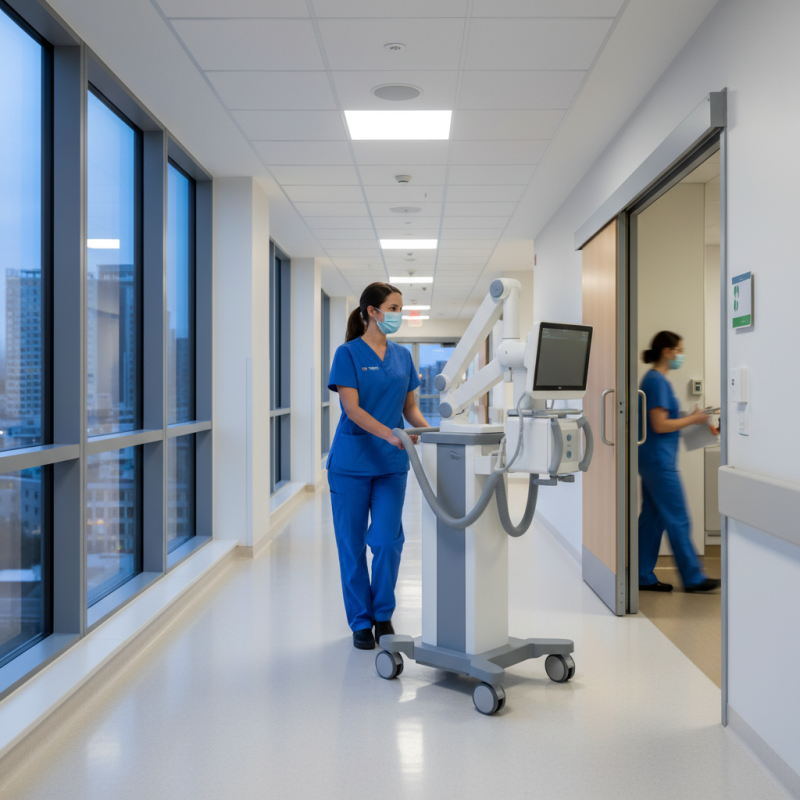
Why Do Hospitals Choose Portable X-Ray Machines Instead of Fixed?

Benefits of Portable X-Ray Machines in Hospital Settings

Portable X-ray machines have become increasingly popular in hospital settings. They offer unique benefits that fixed systems cannot match. For instance, these machines can be moved easily, allowing for immediate imaging in emergency situations. This mobility can lead to faster diagnoses, which is crucial in critical care.

In addition to speed, portable X-ray machines minimize the need to transport patients. This reduces their risk of additional injury and offers comfort during imaging. Moreover, the compact design of portable machines allows them to fit in smaller spaces. This is particularly beneficial in crowded hospitals where space is at a premium.

Tips: When considering portable X-ray machines, hospitals should evaluate their specific needs. It's important to assess the frequency of use, as well as the types of patients treated. Training staff on effective usage can also enhance efficiency. Regular maintenance is vital to ensure reliability and optimal performance. Balancing the benefits with potential limitations is crucial for making informed decisions.

Benefits of Portable X-Ray Machines in Hospital Settings

Comparative Analysis: Portable vs. Fixed X-Ray Machines

Portable X-ray machines are gaining popularity in hospitals due to their flexibility and efficiency. According to a report by MarketsandMarkets, the portable X-ray market is projected to reach $1.33 billion by 2026, reflecting a significant shift in preference among healthcare providers. These machines can be transported easily to different areas of the hospital, allowing immediate imaging for patients in critical conditions. This mobility is a crucial advantage over fixed X-ray systems locked to specific rooms.

The adaptability of portable X-ray machines often results in quicker diagnoses. A study published in the Journal of Radiology indicates that portable X-rays reduce wait times by 40%. In emergency settings, where time is vital, this speed can be a life-saver. However, portable machines may have limitations in image quality compared to fixed systems. Some healthcare professionals express concern about potential compromises in diagnostic accuracy.

Tips for healthcare providers considering portable X-ray machines include assessing the needs of their patients and understanding the limitations of these devices. Regular training for staff on optimal usage can mitigate issues with image quality. Additional consideration should be given to the machine’s ability to integrate with existing hospital systems for seamless patient data management.

Impact of Patient Mobility on Imaging Choice

Patient mobility plays a significant role in the choice between portable and fixed X-ray machines. In busy hospital environments, many patients face challenges in moving from their wards to imaging departments. Portable X-ray machines can be wheeled directly to the bedside. This convenience supports timely diagnoses without requiring unnecessary transfers. Patients who are bedridden or in critical condition particularly benefit from this mobile technology.

Moreover, the use of portable machines reduces the risk of complications during transport. Some patients may experience discomfort or deterioration of their condition during transfers. By minimizing movement, healthcare providers can enhance safety and comfort. However, there are drawbacks to consider. Portable X-ray machines may not always match the image quality of fixed systems. This raises questions about accuracy in diagnosis and treatment planning.

Incorporating portable machines requires ongoing training for staff. They must be proficient in operating diverse technology in various settings. This can present challenges in terms of consistency and reliability. Balancing the convenience of mobility with the need for high-quality images is an ongoing conversation in the healthcare community.

Cost-Effectiveness of Portable X-Ray Solutions

Portable X-ray machines are gaining traction in hospitals due to their cost-effectiveness. These versatile units can reduce operational expenses significantly. A report by MarketsandMarkets indicates that the global portable X-ray market is expected to reach $1.12 billion by 2025, reflecting a growing preference among healthcare providers. The initial investment is lower than that of fixed systems, allowing facilities to allocate funds to other critical areas.

Moreover, portable X-ray solutions enhance resource utilization. Hospitals find they can conduct imaging in various settings, reducing patient transfer costs. A study showed that hospitals utilizing portable machines saved up to 30% on imaging-related expenses. This flexibility also means quicker diagnosis, potentially lowering treatment costs and improving patient outcomes.

However, there are challenges to consider. The image quality of portable X-rays may not always match fixed systems. Some medical professionals express concerns over diagnosis accuracy. As technology advances, ongoing reviews of these systems' reliability are essential. Balancing cost with quality remains a focus for healthcare institutions embracing innovation in imaging.

Technological Advancements Enhancing Portable X-Ray Machines

Technological advancements are reshaping the world of portable X-ray machines. These devices have evolved significantly over the past few years. New imaging algorithms enhance the clarity of the images produced. This improvement aids in accurate diagnostics. Lightweight materials have made them more portable, allowing for ease of use in various settings.

Remote access has become crucial in healthcare. Many portable X-ray machines now feature wireless connectivity. This allows for real-time sharing of images with specialists. Such advancements streamline the diagnostic process, especially in emergency situations. However, the quality of images can vary. Some users may find inconsistencies based on machine calibration.

Battery life is another area of focus. Modern machines can operate for hours without needing a recharge. This endurance supports usage in remote locations. Yet, it raises questions about the reliability of battery performance over time. Technological innovations must prioritize both convenience and dependability. Balancing these factors is key to making informed choices in medical imaging.

Why Do Hospitals Choose Portable X-Ray Machines Instead of Fixed? - Technological Advancements Enhancing Portable X-Ray Machines

Feature Portable X-Ray Machines Fixed X-Ray Machines
Mobility High - Can be moved to patient locations Low - Stationary and requires transport of patients
Setup Time Quick setup, ready for use in minutes Longer setup, may require specific configurations
Cost Generally lower initial investment Higher upfront costs and maintenance
Image Quality Improved with technological advancements Traditionally better, but improving in portable devices
Patient Comfort Enhanced as it allows examinations in comfort of own space Can be uncomfortable due to transport necessity

FAQS

: What is the main advantage of portable X-ray machines in hospitals?

: Portable X-ray machines can be taken directly to the patient's bedside, offering convenience and timely diagnoses.

How does patient mobility impact imaging choices?

Patients who are bedridden or critically ill benefit more from portable machines, reducing movement and discomfort during transfers.

Are there any concerns regarding the image quality of portable X-ray machines?

Yes, portable machines may not match the image quality of fixed systems, which raises accuracy concerns for diagnoses and treatment plans.

What training do healthcare staff need for portable X-ray machines?

Staff must be trained to operate diverse technology effectively, ensuring consistency and reliability in various settings.

How do portable X-ray machines affect hospital costs?

These machines can lower operational expenses and reduce imaging-related costs by up to 30%, benefiting overall resource utilization.

What technological advancements have improved portable X-ray machines?

New imaging algorithms and lightweight materials enhance image clarity and make the machines easier to use in various environments.

How does wireless connectivity benefit portable X-ray machines?

Wireless features enable real-time image sharing with specialists, streamlining the diagnostic process, especially during emergencies.

What concerns do users have about battery life in portable X-ray machines?

While modern machines can run for hours on a single charge, there are questions on how reliable battery performance will be over time.

Why is it important to balance cost and quality in portable X-ray systems?

While cost savings are significant, maintaining high image quality is crucial to ensure accurate diagnoses and improve patient outcomes.

What ongoing challenges should be considered for portable X-ray technology?

There must be continual assessments of image quality and training to ensure that advancements bring both reliability and clarity.

Conclusion

In recent years, hospitals have increasingly favored portable X-ray machines over fixed ones due to several compelling advantages. One key reason is the enhanced flexibility and accessibility that portable units provide, allowing for imaging in various patient locations, including bedside or emergency settings. This mobility significantly impacts patient care, especially for those with limited ability to move, ensuring timely diagnosis and treatment.

Moreover, a comparative analysis reveals that portable X-ray machines are often more cost-effective, not only in terms of initial investment but also in operational expenses. Hospitals are also benefiting from advancements in technology that improve the quality of imaging without compromising the speed of service. Therefore, when asked, "Why do hospitals prefer portable X-ray machines over fixed ones?" the response lies in their ability to optimize patient mobility, enhance diagnostic efficiency, and provide a financially viable solution in a rapidly evolving healthcare landscape.

Oliver

Oliver

Oliver is a seasoned marketing professional with a wealth of expertise in driving brand awareness and engagement. With a deep understanding of our company's product offerings, he consistently delivers high-quality content that enriches our professional blog. His insights not only shed light on......