Medovia Medical
In laboratory settings, ensuring the safe disposal of expired or broken lab devices is crucial. Experts emphasize the importance of following proper disposal procedures. Dr. Emily Carter, a leading environmental scientist, states, “Proper disposal is not just a responsibility; it’s essential for safety and sustainability.” This highlights the pressing need for effective strategies.
When considering how to dispose of expired or broken lab devices safely, various factors come into play. Devices often contain hazardous materials that can pose risks to health and the environment. Laboratories must prioritize the handling of these materials. Yet many facilities overlook critical guidelines. This can lead to accidents or regulatory violations.
By adopting best practices for disposal, labs can mitigate these risks. This includes training staff, segregating waste, and consulting local regulations. However, challenges remain in ensuring compliance. Continuous education and awareness are necessary to foster a culture of safety. In summary, learning how to dispose of expired or broken lab devices safely requires commitment and proactivity.
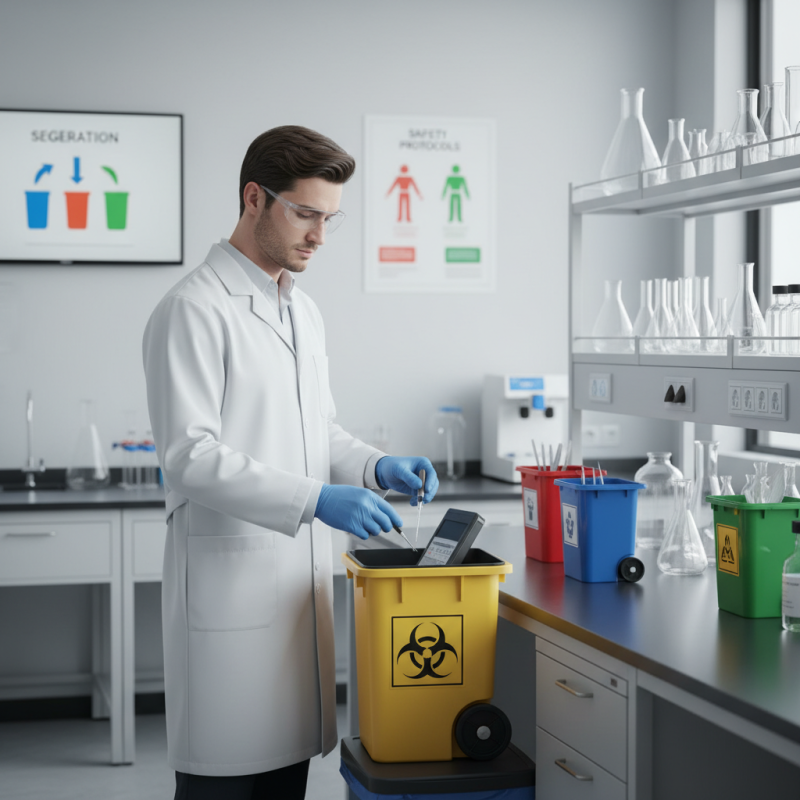
Identifying expired or broken lab devices is crucial for maintaining a safe laboratory environment. Begin by regularly checking expiration dates on all equipment. Look for markings or labels that indicate when a device should no longer be in use. A simple checklist can help in tracking these dates. Implement routine inspections to assess the condition of instruments. Look for signs of wear, damage, or malfunction.
Pay attention to unusual noises, error messages, or performance issues. Anomalies can indicate that a device is not functioning as intended. If a device has been dropped or mishandled, it may need a closer inspection. Don’t ignore minor issues; they could escalate into more significant problems. Document any findings to build an accurate history of each device’s status.
Engage the laboratory team in this process. Encourage everyone to report any concerns or observations. This collaborative approach fosters accountability. Also, provide training on how to identify and handle broken or expired devices. Enhance awareness through workshops or informal discussions. This proactive stance stems from understanding that safety is a collective responsibility in the lab environment.
Improper disposal of lab equipment carries significant risks. Expired or broken devices may contain hazardous materials that can harm the environment. Chemicals can leak into soil and water, affecting ecosystems. Contaminated items pose a threat to public health. They may inadvertently harm people who come into contact with them.
Additionally, improper disposal can lead to regulatory fines. Many regions have strict regulations regarding laboratory waste. Failing to follow these guidelines can result in severe penalties. Labs must stay informed about local disposal protocols. Sometimes, the information is not clear, leading to errors in waste management.
The challenge is understanding what qualifies as hazardous waste. Some equipment may seem innocuous but contain dangerous substances. Regular training on disposal procedures is essential to minimize risks. Awareness can prevent costly mistakes and maintain a safe laboratory environment. Labs should invest time in training staff on proper equipment handling and disposal techniques.
| Tip No. | Disposal Tip | Risks of Improper Disposal | Best Practice |
|---|---|---|---|
| 1 | Identify Hazardous Materials | Chemical spills, toxic exposure | Consult Safety Data Sheets (SDS) |
| 2 | Remove Batteries | Fire hazard, environmental pollution | Recycle at designated centers |
| 3 | Use Proper Containers | Chemical reaction, leakage | Label and seal containers correctly |
| 4 | Follow Local Regulations | Legal penalties, safety risks | Check with local authorities |
| 5 | Contact Professionals | Inadequate handling | Hire certified disposal services |
| 6 | Document Disposal Process | Loss of accountability | Maintain records of disposed items |
| 7 | Utilize Lab Waste Programs | Improper categorization of waste | Enroll in institutional waste programs |
| 8 | Educate Staff | Human error, accidents | Conduct regular training sessions |
| 9 | Separate Non-Hazardous Waste | Contamination risk | Create distinct waste streams |
| 10 | Review Disposal Procedures Regularly | Outdated practices | Update protocols based on current regulations |
Proper disposal of expired or broken lab devices is crucial for safety and environmental health. Begin by identifying the type of device you have. Electronics, glassware, and chemicals require different disposal methods. For instance, broken glass should be placed in a designated glass disposal container. This minimizes the risk of injury to those handling waste.
Next, assess if the device could be repaired or recycled. Many parts may still hold value, preventing unnecessary waste. If recycling is not an option, check local regulations for hazardous waste disposal. Some regions offer special collection events for lab materials. It's important to follow these guidelines closely to avoid potential fines and ensure community safety.
Document all disposal actions taken. Having a record can help in audits and ensure accountability. While it may feel tedious, it helps improve lab safety standards. Reflecting on past disposal practices can spark new ideas for improvement. Consider holding training sessions to enhance team awareness about proper disposal methods. Your lab's commitment to safe practices can inspire broader change.
When disposing of expired or broken lab devices, it's crucial to adhere to relevant regulations and guidelines. Many regions enforce strict policies regarding hazardous materials. These laws aim to protect both human health and the environment. Failure to comply can lead to serious consequences, including fines.
One important tip is to consult your institution’s waste management protocol. Familiarize yourself with local regulations that pertain to lab equipment disposal. Many facilities require a specific procedure for hazardous waste. This often includes labeling and segregating waste streams. Not following these steps can pose significant risks to safety.
Another consideration is to identify the materials within your devices. Some components might be recyclable, while others could be harmful. For example, batteries often contain toxic substances. Proper disposal helps mitigate health risks. In some cases, third-party services can assist in handling sensitive or complex devices. Their expertise ensures a compliant disposal process, relieving you from the burden of uncertainty.
Proper disposal of expired or broken lab devices is crucial for environmental safety. Many laboratories contain hazardous materials. These materials can damage ecosystems if not disposed of correctly. Using environmentally safe methods helps reduce potential pollution and health risks.
Recycling is one effective method. Many organizations specialize in recycling lab equipment. They ensure that hazardous components are managed safely. Additionally, some devices may still have useful parts. Donate functional equipment to schools or nonprofits when possible. This approach extends the life of the materials while reducing waste.
Sometimes, the challenge is knowing your local regulations. Different areas have varied rules on hazardous waste. It’s essential to stay informed about these guidelines. Some researchers may overlook proper disposal procedures. This negligence can lead to unintended consequences for both health and the environment. Always double-check your lab’s disposal methods. Make sure they align with recommended practices.
: Regularly check expiration dates and use a checklist to track all equipment.
Look for unusual noises, error messages, or physical damage.
Documentation builds a history of each device's status and helps identify issues.
Encourage everyone to report concerns and observations about lab devices.
Hazardous materials can harm the environment and pose health risks to the public.
Labs may face regulatory fines and penalties for improper waste management.
Familiarize yourself with local regulations and follow your institution’s waste management protocol.
Identify materials; some might be recyclable, while others could be hazardous.
Regular training minimizes risks and prevents costly mistakes in waste management.
Yes, they can provide expertise to ensure compliant and safe disposal processes.
Disposing of expired or broken lab devices safely is crucial to ensure both environmental protection and compliance with regulatory standards. To address the question of "How to dispose of expired or broken lab devices safely?", it's essential to start by identifying the equipment that is no longer usable or has reached its expiration date. Understanding the risks associated with improper disposal, such as potential contamination and environmental damage, highlights the importance of following established regulations and guidelines for lab device disposal.
A step-by-step guide to safe disposal should include evaluating the condition of the equipment, segregating hazardous materials, and employing environmentally safe methods for disposal. By adhering to best practices, laboratories can mitigate risks while promoting responsible waste management, ultimately contributing to a healthier environment.
