Medovia Medical Medovia Medical

Top Methods to Disinfect Surgical Equipment Safely?

Time:2026-05-13 Author:Madeline
0%

Disinfecting surgical equipment is crucial for patient safety. Ensuring that instruments are sterile can prevent infections and complications. However, a significant concern arises: how to disinfect surgical equipment without causing damage?

Understanding the best methods to achieve this balance requires expertise. Proper disinfection techniques preserve the integrity of surgical tools. They must effectively eliminate pathogens without degrading materials. Each type of instrument may require different approaches. For example, stainless steel and plastic instruments have distinct needs during the cleaning process.

While traditional disinfectants are effective, their harsh chemicals may break down tool surfaces over time. This can lead to increased costs and reduce instrument lifespan. Careful selection of both disinfectants and methods is essential. Regular training for staff can ensure that everyone understands the importance of proper disinfection practices. Mistakes in this area can have serious consequences. Therefore, relying on expert guidelines is key to maintaining both safety and equipment efficacy.
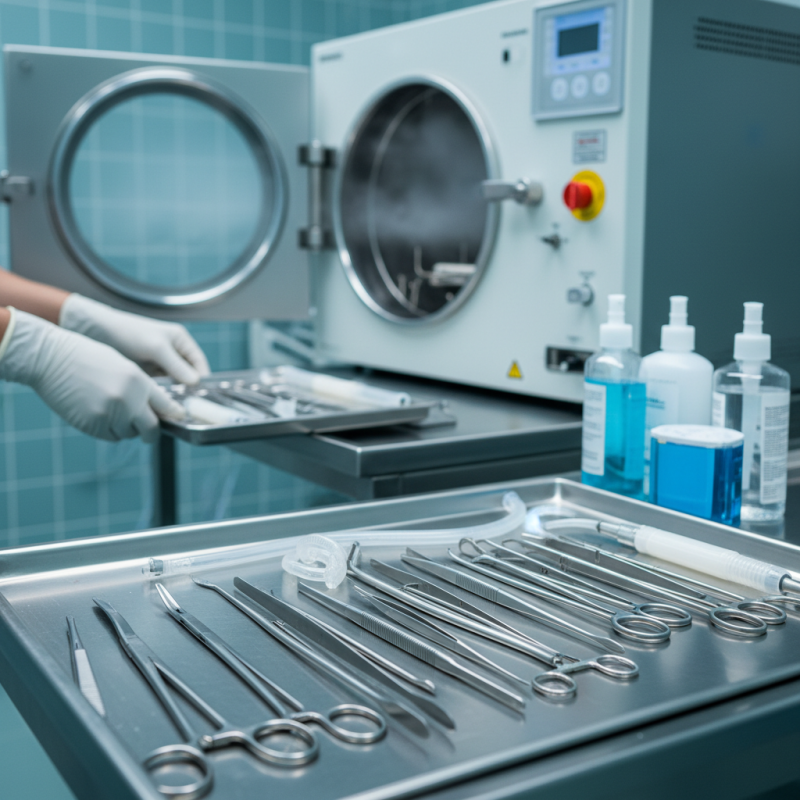
Top Methods to Disinfect Surgical Equipment Safely?

Overview of Surgical Equipment Disinfection Methods

Disinfecting surgical equipment is crucial for patient safety. Various methods are employed to ensure that these instruments are free from pathogens. One well-known method involves using high-level disinfection, which effectively eliminates most microorganisms. This process often requires soaking instruments in chemical agents for a specific duration. However, the concentration of these chemicals can sometimes be challenging to monitor, leading to potential inadequacies in disinfection.

Another commonly utilized method is steam sterilization, also known as autoclaving. This technique uses intense heat and pressure to kill bacteria and viruses. Factors like time and temperature must be closely regulated. Unfortunately, not all instruments can withstand such conditions, raising concerns about compatibility and potential damage. Some surgical tools require specialized processes, which may not always align with standard practices.

Ultraviolet (UV) light has emerged as a promising alternative, effective against a broad spectrum of pathogens. This method is non-invasive and does not involve harsh chemicals. However, its effectiveness largely depends on the exposure time and intensity of the UV light. Shadows or barriers can significantly reduce its efficacy, prompting further exploration into optimal usage methods. Each disinfection technique has its advantages and limitations, making knowledge of these methods essential for healthcare professionals.

Importance of Disinfecting Surgical Equipment for Patient Safety

Disinfecting surgical equipment is vital for patient safety. Proper sterilization helps prevent infections. Contaminated tools can carry harmful pathogens. These pathogens can lead to severe health complications for patients. The stakes are high, and the risks are significant.

Many healthcare facilities use various disinfection methods. These include steam sterilization, chemical disinfectants, and ultraviolet light. Each method has its benefits and limitations. For example, steam sterilization is effective but may not be suitable for heat-sensitive instruments. Chemical disinfectants are versatile but require careful handling. The choices must align with patient safety priorities.

Training staff in proper disinfection protocols is crucial. Errors can happen if staff are not adequately educated. Awareness of the limitations of each method can enhance safety. Regular audits and feedback can identify areas needing improvement. This approach fosters a culture of continuous learning and safety. Patient safety should always remain the top focus in surgical settings.

Top Methods to Disinfect Surgical Equipment Safely

Disinfection Method Effectiveness Safety Time Required Cost
Chemical Disinfection High Moderate 15-30 mins Low
Steam Sterilization Very High High 30-60 mins Medium
Dry Heat Sterilization High High 1-2 hours Medium
Ultraviolet (UV) Light Moderate High Varies (5-60 mins) Low
Hydrogen Peroxide Plasma Very High Moderate 1-2 hours High

Step-by-Step Guide to Chemical Disinfection Techniques

Chemical disinfection of surgical equipment is crucial for patient safety. Various methods are available, each with specific protocols. Understanding these techniques ensures proper application and effective results.

Begin by selecting the right disinfectant. Consider factors like effectiveness, contact time, and compatibility with materials. Follow manufacturer guidelines for dilution and preparation. It’s important to wear personal protective equipment. This step can enhance safety but is often overlooked.

After preparing the solution, immerse instruments fully. Pay attention to crevices since contaminants may hide there. Use a clean brush to scrub surfaces if necessary. Rinse thoroughly with sterile water to remove any residual chemicals. This step is critical; leftover disinfectants can harm patients.

Lastly, allow the equipment to dry completely before usage. Inadequate drying can lead to microbial growth. Regular review of disinfection protocols helps identify areas for improvement. Continuous education for staff is essential, as knowledge gaps can pose risks. Balancing efficiency and thoroughness should always be a goal.

Utilizing Heat-Based Sterilization Methods Effectively

Heat-based sterilization methods are crucial for disinfecting surgical equipment. These techniques use high temperatures to eliminate pathogens effectively. Steam sterilization is one of the most common methods employed. It penetrates the items thoroughly, ensuring that all surfaces reach the necessary temperature for effective disinfection.

Tips: Make sure to check the water quality used in steam sterilization. Impurities can affect the effectiveness. Pay attention to the sterilization cycle time. Underestimating the time can leave equipment inadequately sterilized.

Dry heat sterilization is another method that relies on elevated temperatures. It is effective for items that can't withstand moisture. This technique requires longer exposure times but is crucial for certain materials. One must monitor the heat distribution within the sterilization chamber. Any inconsistency can lead to incomplete disinfection.

Tips: Always calibrate your sterilization equipment regularly. This ensures operational efficiency and effectiveness. Consider evaluating materials compatibility with heat methods to avoid any damage.

Best Practices for Preventive Maintenance and Monitoring Procedures

Preventive maintenance of surgical equipment is crucial. Regular inspections can identify wear and tear before they become critical. Technicians should create a detailed checklist for each type of equipment. This list should cover essential components, ensuring everything operates effectively. Each inspection should record findings and any necessary repairs. Inconsistent documentation can lead to overlooked issues.

Monitoring procedures also play a vital role. Equipment should be regularly calibrated to maintain accuracy. Setting up a routine schedule helps in tracking performance. If targets are missed, a thorough analysis should follow. Feedback loops between technicians and doctors can improve overall processes. However, it’s easy to overlook small problems, letting them escalate.

Training staff on best practices is essential. Knowledge sharing within teams promotes a culture of safety. Each member should understand their role in monitoring equipment. Periodic training sessions can reinforce these practices. Nonetheless, many may hesitate to report minor issues, fearing consequences. Encouraging open dialogue can mitigate this. A proactive approach is better than reactive repairs.

FAQS

: Why is disinfecting surgical equipment important?

: Disinfecting surgical equipment is vital for preventing infections and ensuring patient safety. Contaminated tools can carry harmful pathogens.

What methods are commonly used for disinfection?

Common methods include steam sterilization, chemical disinfectants, and ultraviolet light. Each has unique benefits and limitations.

How should chemical disinfectants be selected?

Choose disinfectants based on effectiveness, contact time, and compatibility. Follow guidelines for proper dilution and preparation.

What safety measures should be taken during disinfection?

Always wear personal protective equipment. This step enhances safety but is sometimes overlooked by staff.

How can staff be trained effectively in disinfection protocols?

Provide thorough training and regular audits. This helps identify knowledge gaps and promotes continuous learning.

Why is rinsing instruments after disinfection crucial?

Rinsing removes residual chemicals that can harm patients. This step is often neglected, but it is essential.

What should be done after disinfecting the equipment?

Ensure the equipment dries completely before use. Inadequate drying may lead to microbial growth.

How can healthcare facilities improve disinfection processes?

Regularly review disinfection protocols and gather feedback. Continuous education and addressing limitations enhance safety.

Are there risks associated with improper disinfection?

Yes, improper disinfection can lead to severe health complications for patients. Awareness of potential errors is vital.

What is the balance needed in disinfection efforts?

Facilities must balance efficiency and thoroughness in disinfection. Both are crucial for ensuring patient safety.

Conclusion

Disinfecting surgical equipment is crucial for patient safety and maintaining high standards in healthcare settings. Various methods can be employed, including chemical disinfection and heat-based sterilization, each offering unique benefits. Understanding how to disinfect surgical equipment without causing damage is essential to preserve the integrity and functionality of the tools.

A step-by-step guide can help healthcare professionals effectively implement chemical disinfection techniques while ensuring compliance with safety protocols. Additionally, utilizing heat-based sterilization methods can further enhance the effectiveness of disinfection when done correctly. Adopting best practices for preventive maintenance and monitoring procedures ensures that surgical equipment remains in optimal condition and reduces the risk of contamination, ultimately safeguarding patient health.

Madeline

Madeline

Madeline is a dedicated marketing professional with a wealth of expertise in our company's core offerings. With a keen understanding of the industry, she brings a unique perspective to her role, consistently delivering high-quality content that highlights the superior aspects of our products. As......