 Medovia Medical
Medovia Medical
Medovia Medical
In healthcare, power reliability is crucial. Medical equipment plays a vital role in patient care. This equipment must function properly at all times, even during power outages. The question arises: "Why does medical equipment need specialized power backup?"
Traditional power sources may not suffice for the unique demands of medical devices. These devices often require specific power conditions to operate safely and effectively. A sudden power failure can jeopardize patient safety. Consider a hospital's operating room. The lights, anesthesia machines, and monitoring devices all rely on continuous power. If they fail, the outcomes can be dire.
In addition, specialized power backup solutions ensure compatibility with sensitive medical technology. Generic backup systems may not provide the required voltage or frequency. This mismatch can lead to equipment malfunction. Therefore, investing in reliable power solutions is essential. Healthcare providers must prioritize these systems to safeguard patients and uphold their duty of care.
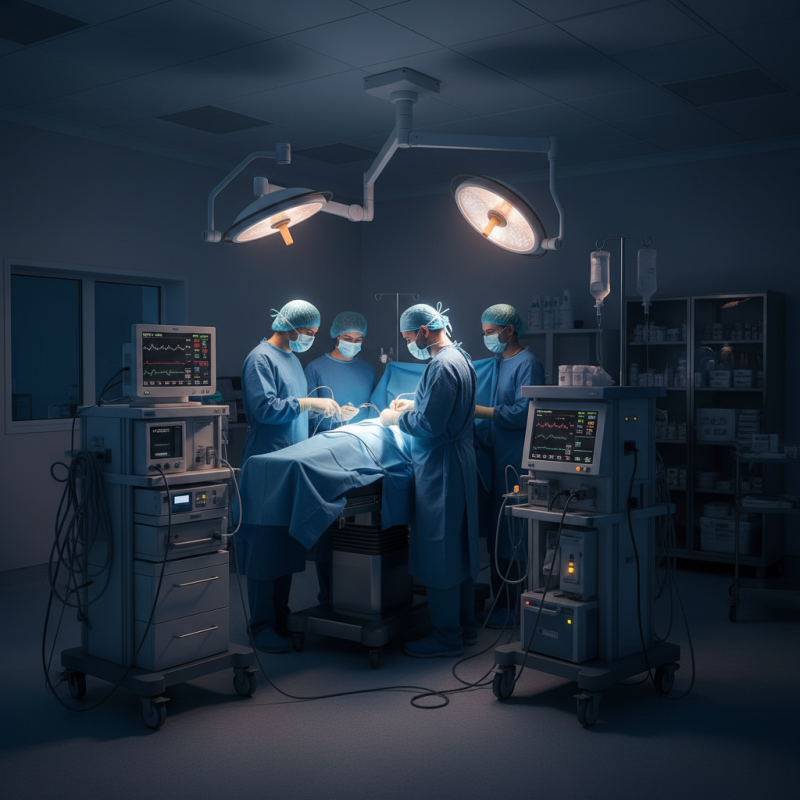
Reliable power supply for medical equipment is critical in healthcare settings. According to a report by the American Hospital Association, nearly 30% of hospitals experienced power outages. These disruptions can lead to severe consequences. For instance, surgeries may be halted, endangering patient lives. Therefore, specialized power backup systems are essential.
Medical equipment often requires consistent power to function correctly. Devices like ventilators, infusion pumps, and imaging systems cannot afford interruptions. A study published in the Journal of Clinical Engineering highlighted that power failures impacted patient care adversely. The report noted that 84% of medical professionals believed backup power systems were vital.
Moreover, the costs associated with power outages can be staggering. The average financial loss per incident can reach up to $1 million. This figure includes lost revenue and potential legal liabilities. As energy demands increase, the need for robust backup solutions becomes even more apparent. Ensuring a reliable power supply is not just a logistical challenge; it is a moral obligation to ensure patient safety and care quality.
| Reason | Description | Impact of Power Loss | Recommended Power Backup |
|---|---|---|---|
| Life-Saving Procedures | Many medical devices are essential during surgeries and critical care. | Potential loss of life and increased risk during operations. | Uninterruptible Power Supply (UPS) systems. |
| Data Protection | Power outages can result in data loss from sensitive patient monitoring systems. | Loss of critical health information, affecting patient care. | Backup generators with data backup solutions. |
| Regulatory Compliance | Healthcare facilities must comply with strict regulations regarding power supply. | Fines and legal issues due to non-compliance. | Certified backup power solutions. |
| Continuity of Care | Constant power is needed to maintain ongoing patient monitoring and treatments. | Disruption could delay treatment and worsen patient conditions. | Reliable power backup systems. |
| Equipment Integrity | Power fluctuations can damage delicate medical equipment. | Increased maintenance costs and equipment failure. | Surge protectors and UPS. |
| Patient Trust | Patients expect reliable care without interruption. | Loss of trust and dissatisfaction with care. | Effective backup protocols and visible power solutions. |
| Emergency Situations | Power is crucial during emergencies and disasters. | Hindered emergency response and increased risk to patients. | Emergency backup generators. |
| Scalability | As medical facilities grow, power needs increase. | Insufficient power supply could cause operational issues. | Scalable power solutions. |
| Technology Advancements | New technologies often require more stable power sources. | Incompatibility with newer devices. | Smart power management systems. |
| Cost Efficiency | Long-term power solutions save on expensive repairs and downtime. | Higher operational costs and loss of revenue. |
Engineering consulting for optimized solutions. |
: A reliable power supply ensures that medical devices function correctly and safely. Power interruptions can endanger patient lives.
Critical devices like ventilators, imaging machines, and surgical lights need specialized power backups to operate.
Power outages can halt surgeries and diagnostic procedures. This can lead to severe consequences for patient care.
Backup systems should be tested regularly. Routine checks ensure reliability and readiness during emergencies.
The average financial loss per outage can reach $1 million. This includes lost revenue and potential legal liabilities.
Regularly evaluate the specific power requirements of each device. Understanding these needs is crucial for patient safety.
Inadequate backup systems can lead to severe patient care disruptions. It’s necessary to have appropriate solutions in place.
Aligning power solutions with device needs can prevent complications. Proper planning is essential for patient safety.
No, not all backup systems are the same. Each medical device has unique power demands that must be met.
Providers have a moral obligation to ensure patient safety. A robust power supply is vital for maintaining care quality.
In medical facilities, the question "Why does medical equipment need specialized power backup?" is pivotal due to the critical nature of patient care. A reliable power supply is essential, as power outages can severely impact patient safety and the effectiveness of medical treatments. Specialized power backup systems ensure that vital equipment, such as life-support machines and diagnostic tools, remain operational during power interruptions, thereby safeguarding patient outcomes.
Different types of medical equipment require various forms of power backup, from uninterruptible power supplies (UPS) to generators. Each solution offers unique benefits, and understanding these can help medical facilities make informed decisions about their backup power needs. Furthermore, compliance with regulatory standards is crucial in ensuring that healthcare providers maintain the highest levels of safety and reliability in their operations.
