Medovia Medical Medovia Medical

Top 10 Safety Requirements for Operating X-ray Equipment?

Time:2026-05-01 Author:Madeline
0%

The safety of patients and healthcare professionals hinges on proper X-ray equipment operation. With over 3 million X-ray examinations performed daily in the USA, the need for stringent safety measures is clear. mishaps can lead to exposure risks, emphasizing the question: What are the safety requirements for operating X-ray equipment?

Expert studies show that adherence to safety protocols can reduce radiation exposure by 80%. Compliance with guidelines set by the American College of Radiology (ACR) is crucial. Regular equipment maintenance and calibration prevent dangerous malfunctions, yet many facilities overlook these practices. This negligence invites potential hazards that can compromise patient safety.

Moreover, consistent training for operators is essential. Current reports indicate that a significant percentage of incidents arise from human error. Facilities must prioritize ongoing education and certifications for their staff. This approach enhances knowledge and minimizes risks associated with X-ray technology. Safety is not merely a checkbox; it demands ongoing commitment and reflection to protect lives.
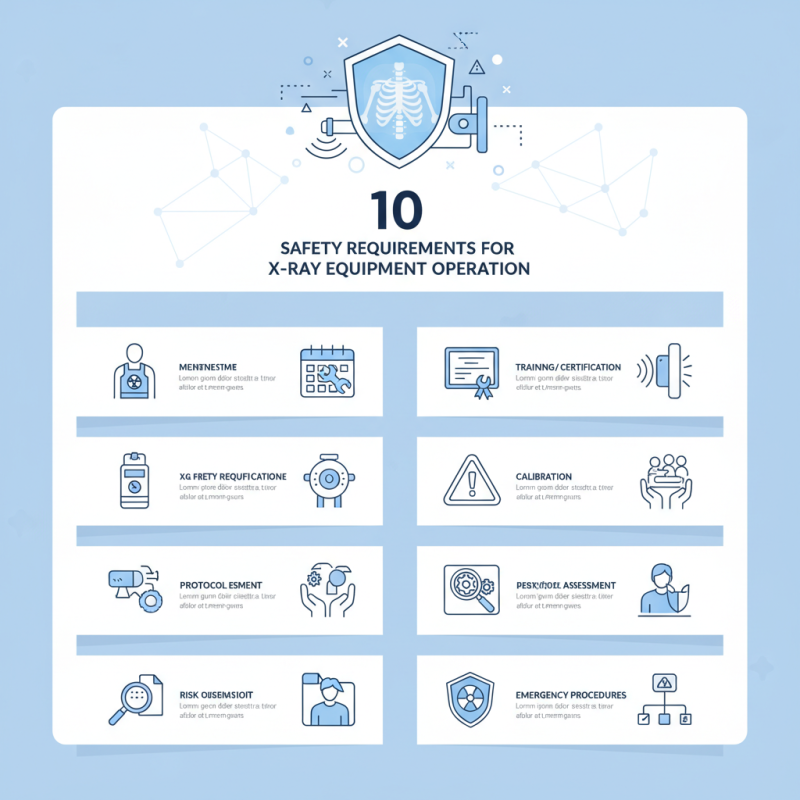
Top 10 Safety Requirements for Operating X-ray Equipment?

Top 10 Safety Requirements for Operating X-ray Equipment

Operating X-ray equipment safely is critical in healthcare settings. Understanding the top safety requirements helps protect both operators and patients. One important requirement is to always wear protective gear, including lead aprons and goggles. This minimizes exposure to radiation while ensuring that you stay safe during procedures.

Tips: Routine checks of equipment should not be overlooked. Ensure that all devices are functioning properly before use. Look for signs of wear and tear. Inadequate maintenance can lead to accidents. Always follow the manufacturer's guidelines for operation.

Another requirement is maintaining a safe distance from the X-ray source when possible. Staying at least six feet away reduces exposure effectively. Remember, even minor radiation can accumulate over time. Training personnel on safe practices is equally vital. Regularly scheduled training helps to reinforce these crucial safety measures.

Tips: Create a visible safety protocol document. Place it near the X-ray machine for quick reference. Encourage team discussions about safety outcomes to foster a culture of awareness. Reflection on past experiences can lead to improved safety practices. Continuous improvement is essential in radiology.

Understanding Radiation Safety Principles in X-ray Procedures

Radiation safety is crucial when operating X-ray equipment. Understanding the principles of radiation safety helps protect both patients and healthcare professionals. According to the National Council on Radiation Protection and Measurements (NCRP), harmful effects can occur with excessive exposure. The ALARA principle stands for "As Low As Reasonably Achievable." This principle guides operators to minimize exposure time while maximizing protective measures.

Proper safety equipment is essential. Lead aprons, shields, and barriers are common in facilities that use X-ray machines. They serve as physical protection against stray radiation. Regular maintenance of equipment is necessary. Faulty machines can emit higher levels of radiation, putting everyone at risk. Recent data shows that consistent inspections can reduce accidents by over 30%.

Education and training play significant roles in radiation safety. Staff should be familiar with operating procedures and emergency protocols. Reports indicate that inadequate training is a common issue in healthcare settings. Continuous education can help prevent missteps. Awareness and proactive measures are vital for maintaining a safe environment. Organizations often find that fostering a culture of safety enhances compliance with guidelines.

Calibration and Maintenance Standards for X-ray Machines

Calibration and maintenance are critical for safe X-ray equipment operation. Regular calibration ensures accurate readings. Studies show that uncalibrated machines can lead to overexposure, increasing patient risk. According to a 2022 industry report, 15% of X-ray machines in use are out of calibration.

Routine maintenance helps identify potential issues. Inspections should include checking for wear on components. Data indicates that regular assessments can reduce malfunction rates by up to 30%. Failure to maintain equipment not only poses safety hazards but can also lead to costly repairs.

Tip: Schedule maintenance checks every six months. Keeping a detailed log of calibrations and repairs can highlight patterns over time.

Another vital aspect is training personnel on safety protocols. Staff must understand the importance of proper equipment usage. A seminar by the Radiological Society revealed that 40% of accidents stem from operator error. Continuous education can mitigate this risk.

Tip: Implement a training refresh program annually. Create a culture of safety through consistent reminders and workshops.

Personal Protective Equipment (PPE) Regulations for X-ray Technicians

Personal Protective Equipment (PPE) is crucial for X-ray technicians. It reduces exposure to radiation, ensuring safety while performing duties. Proper PPE includes lead aprons, gloves, and thyroid shields. These items must fit correctly to provide the best protection.

Radiation is invisible but dangerous. X-ray technicians need to wear PPE throughout their shifts, even during breaks. However, not all technicians prioritize wearing PPE. Some may feel it restricts their movements. This mindset can lead to increased exposure risks. Regular training and reminders can help change this attitude.

Using PPE isn't just a guideline; it's vital for health. Technicians should regularly inspect their equipment. Damaged gear can compromise safety. Compliance with PPE regulations fosters a safer work environment. Everyone must take this responsibility seriously. Continued education on the importance of PPE can enhance awareness. Regular assessments can identify gaps in protection practices.

Proper Training and Certification Requirements for Radiologic Staff

Radiologic staff play a crucial role in ensuring the safe operation of X-ray equipment. Their training and certification are vital for patient safety and effective imaging. Proper training includes understanding radiation physics, biological effects, and patient care. Certification proves that an individual has met the necessary standards. This helps ensure that all staff members operate X-ray machines correctly.

Despite rigorous training programs, gaps can exist. Some staff may neglect the latest safety protocols or become complacent over time. Continuous education is essential for radiologic professionals. Regular updates on safety requirements should be mandatory, as technology and procedures evolve. It's not enough to be certified once; keeping skills current is essential to avoid potential hazards.

Moreover, hands-on experience is invaluable. Simulation training can prepare staff for real-world situations. However, not all facilities invest in simulation resources. This can lead to a lack of familiarity with equipment during actual procedures. Staff must seek opportunities for additional training. Staying informed and proactive can significantly enhance safety when operating X-ray equipment.

Top 10 Safety Requirements for Operating X-ray Equipment

Monitoring and Limiting Radiation Exposure in Clinical Settings

Effective management of radiation exposure is crucial in clinical settings where X-ray equipment is used. According to the World Health Organization, health workers and patients face potential risks from radiation. Monitoring systems are vital for minimizing these risks. Regular assessments and dose calculations are essential for ensuring safety. A comprehensive radiation safety program should include continuous education on exposure limits and protective measures.

Tips for radiation safety include maintaining a safe distance from the X-ray beam during operation. Using shielding materials, such as lead aprons, can significantly reduce exposure levels. It is important to prioritize equipment maintenance, as faulty machines can emit higher-than-expected radiation doses. Regular calibration checks can help identify and correct any issues, ensuring the equipment operates within safe limits.

Continuous training for healthcare professionals is essential. Training should cover the latest guidelines on radiation exposure limits. A study from the American College of Radiology emphasizes the need for strict compliance with safety protocols. Reflection on past incidents of overexposure can lead to improved practices in the future. Keeping accurate records of radiation doses received by staff and patients assists in monitoring trends and addressing any concerns proactively.

FAQS

: What is the

LARA principle?

Why is regular maintenance important for X-ray machines?

Regular maintenance prevents equipment malfunctions. It can reduce safety risks and costly repairs.

How does improper calibration affect X-ray safety?

Uncalibrated machines may cause overexposure. This increases risks for patients and staff.

What personal protective equipment (PPE) do technicians need?

Technicians should wear lead aprons, gloves, and thyroid shields. Proper fitting is crucial for effectiveness.

How often should staff training on safety protocols occur?

Staff should undergo training regularly. Annual refresh programs can reduce accidents and improve safety.

What percentage of accidents is due to operator error?

Reports indicate that 40% of accidents stem from operator mistakes. Continuous education can help.

Why do some technicians avoid wearing PPE?

Some feel PPE restricts movement and comfort. This mindset can increase exposure risks.

How can organizations enhance compliance with safety guidelines?

Fostering a culture of safety helps improve guideline adherence. Regular reminders and workshops are effective.

What should technicians do if their PPE is damaged?

Technicians must regularly inspect their PPE. Damaged gear must be repaired or replaced immediately.

How can training and education impact radiation safety?

Education improves awareness and practices. Continuous training can mitigate risks and prevent mistakes.

Conclusion

The article "Top 10 Safety Requirements for Operating X-ray Equipment" outlines critical safety measures necessary for the safe use of X-ray machines in clinical environments. Key aspects include understanding the basic principles of radiation safety, ensuring regular calibration and maintenance of equipment, and adhering to strict personal protective equipment (PPE) regulations for all X-ray technicians. Proper training and certification requirements for radiologic staff are also emphasized to ensure they are competent in handling X-ray equipment safely.

Furthermore, the article stresses the importance of monitoring and limiting radiation exposure for both healthcare workers and patients. Addressing the question, "What are the safety requirements for operating X-ray equipment?" the summarized points collectively contribute to creating a safe and effective environment for X-ray procedures, highlighting the responsibility of all personnel involved in radiological services.

Madeline

Madeline

Madeline is a dedicated marketing professional with a wealth of expertise in our company's core offerings. With a keen understanding of the industry, she brings a unique perspective to her role, consistently delivering high-quality content that highlights the superior aspects of our products. As......