Medovia Medical Medovia Medical

Top 10 Ways to Ensure Data Privacy with Patient Monitors?

Time:2026-06-04 Author:Ethan
0%

Patient monitors are essential for quality healthcare, but they also raise serious data privacy concerns. In a world where technology and medicine collide, these networked devices collect sensitive patient information. This brings us to an important question: How to ensure data privacy when using networked patient monitors?

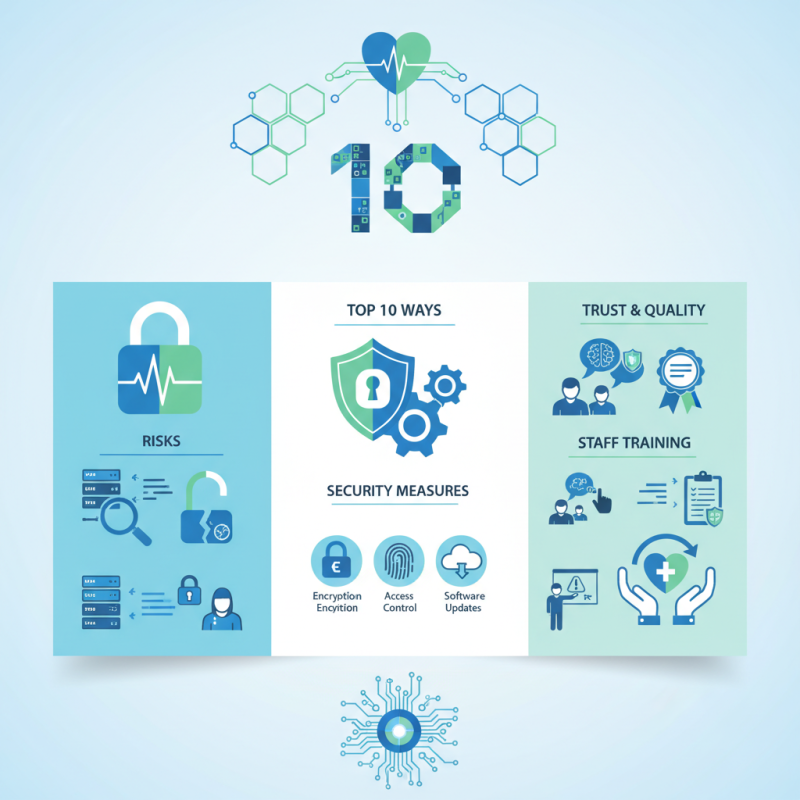
Understanding the potential risks is the first step. Hackers and unauthorized users can exploit vulnerabilities in these systems. It’s crucial to implement strong security measures. Encryption, access controls, and regular software updates are vital components of a robust defense strategy.

Moreover, healthcare providers must train staff on data privacy practices. They should understand that human error can compromise patient information. Reflecting on these factors can help create safer environments for patient data. Prioritizing data privacy is not just a legal requirement; it is essential for maintaining patient trust and care quality.
Top 10 Ways to Ensure Data Privacy with Patient Monitors?

Understanding Data Privacy in Patient Monitoring Systems

Data privacy in patient monitoring systems is crucial. With the rise of telemedicine, more data is generated than ever. A report by the Health Information and Management Systems Society indicated that 70% of healthcare organizations have faced a data breach. This highlights the pressing need for robust privacy measures.

Patient monitors collect sensitive data. Each heartbeat, oxygen level, and blood pressure reading adds to a personal health narrative. If not protected, this data can be exposed. Encryption is a vital tool in safeguarding this information. A study from the Journal of Medical Internet Research noted that effective encryption can reduce data breaches by up to 50%. However, many systems still lack basic encryption practices.

Access controls are another layer of protection. Only authorized personnel should view patient data. Yet, a survey from the Ponemon Institute found that 56% of organizations had improper access controls in place. This exposes patients to unnecessary risks. Training staff on data privacy is essential but often overlooked. Continuous education and awareness programs can bridge this gap, yet many institutions fail to prioritize them.

Implementing Strong Authentication Protocols for Access Control

In the age of digital healthcare, safeguarding patient data is crucial. Implementing strong authentication protocols is essential for access control in patient monitors. These protocols help prevent unauthorized users from accessing sensitive health information.

One effective approach is utilizing multi-factor authentication (MFA). This method requires users to provide two or more verification factors. For instance, a password plus a biometric scan, like a fingerprint, enhances security. However, MFA can sometimes slow down access. This trade-off needs careful consideration.

Regularly updating authentication protocols is vital. Cyber threats evolve, and outdated methods can lead to breaches. Healthcare providers must remain vigilant and adapt their strategies. Training staff is a key component. Employees should be aware of best practices and potential risks. If staff are uninformed, even the best systems will fail.

Always reevaluate the effectiveness of your protocols. Are they user-friendly? Difficult systems may lead to workarounds, compromising security. Striking the right balance between accessibility and security is essential. Continuous assessment strengthens your data privacy efforts.

Encrypting Patient Data During Transmission and Storage

In today's digital age, protecting patient data is essential. Encrypting data during transmission and storage plays a crucial role in ensuring privacy. Research shows that up to 85% of healthcare organizations experienced at least one data breach in the past two years. Such breaches can lead to devastating consequences for patients and institutions alike. Encryption acts as a robust defense against unauthorized access.

When patient data is transmitted, it should be encrypted using advanced protocols. For instance, using AES (Advanced Encryption Standard) can significantly enhance security. Storing data on cloud platforms requires similar vigilance. Despite improvements, 60% of healthcare systems still do not encrypt data. This gap leaves systems vulnerable. Regular audits and updates are necessary to maintain strong encryption practices.

Tips: Always verify encryption methods used by vendors. Implement end-to-end encryption for sensitive data. Train staff to recognize potential risks associated with unencrypted data. These steps can mitigate risk. Though many facilities strive to protect data, it’s clear some still fall short. Regularly educating team members can help bridge this gap, promoting a culture of security awareness.

Patient Data Encryption Levels During Transmission and Storage

Regularly Updating Software to Patch Security Vulnerabilities

In the realm of patient monitoring, safeguarding data privacy has become paramount. Regularly updating software is a critical practice. This process addresses security vulnerabilities that can be exploited by malicious actors. Software patches often include fixes for previously identified flaws. Without these updates, devices may be left open to unauthorized access.

Keeping software current is not just about security. It enhances functionality too. Newer versions may offer better user experiences. However, updating can be overlooked in busy healthcare settings. Routine checks should be a part of standard protocol. This can help ensure that devices operate with the latest security measures.

Consider implementing a reminder system for software updates. Educate staff on the importance of these updates. Regularly scheduled maintenance can minimize risks. Remember, a single vulnerability could lead to significant data breaches. Data privacy must remain a top priority in patient care. This proactive approach can help foster trust between patients and healthcare providers.

Educating Healthcare Staff on Data Privacy Best Practices

In today’s healthcare landscape, data privacy is paramount. Patient monitors collect sensitive data, making knowledge of best practices essential. A 2022 study by the American Medical Association highlights that 87% of healthcare breaches stem from human error. Educating staff on data privacy can significantly reduce this risk.

Training programs should focus on real-world scenarios. For instance, staff should understand the importance of secure password management. Simple actions like using unique passwords can prevent unauthorized access. Moreover, 65% of healthcare workers report never receiving training on data protection. This gap highlights the need for improved educational strategies.

Consistent refresher courses can help staff stay informed about the latest regulations, such as HIPAA. Learning about the potential consequences of data breaches can drive compliance. A recent report indicated that organizations with regular privacy training saw a 30% reduction in incidents. Emphasizing ongoing education fosters a culture of privacy and accountability.

Top 10 Ways to Ensure Data Privacy with Patient Monitors

Method Description Importance
Access Control Implement strict access controls to ensure only authorized personnel can view patient data. Prevents unauthorized access to sensitive information.
Data Encryption Use encryption for data at rest and in transit to protect patient information. Secures data from interception.
Regular Training Conduct regular training sessions for staff on data privacy best practices. Keeps staff updated on the latest privacy protocols.
Audit Trails Maintain audit trails for access and modifications to patient data. Facilitates tracking of data breaches or unauthorized access.
Patient Consent Ensure informed consent is obtained from patients regarding the use of their data. Empowers patients and upholds ethical standards.
Data Minimization Collect only the necessary data required for specific purposes. Reduces potential exposure of sensitive information.
Secure Software Use secure software solutions that are regularly updated. Protects against vulnerabilities.
Incident Response Plan Develop a robust incident response plan to address data breaches. Ensures quick action to mitigate damage.
Data Backup Regularly back up patient data to secure locations. Prevents data loss and ensures availability.
Preventing Physical Access Limit physical access to devices that monitor patient data. Protects against tampering or theft.

FAQS

: Why is regularly updating software important in healthcare?

: Regularly updating software addresses security vulnerabilities. It prevents unauthorized access to patient data.

What additional benefits come from software updates?

New software versions improve functionality. They often provide better user experiences for healthcare staff.

What steps can be taken to ensure software updates are not overlooked?

Implementing a reminder system can help. Routine checks should be included in standard protocols.

How can staff education reduce data breaches?

Educating staff on data privacy best practices is crucial. Most breaches result from human error, highlighting the need for training.

What topics should staff training programs include?

Training should cover secure password management. Staff must learn to use unique passwords to prevent unauthorized access.

How often should refresher courses be held for staff?

Consistent refresher courses are essential. They keep staff updated on regulations and reinforce data privacy compliance.

What impact does regular privacy training have on data breaches?

Organizations with regular training see a 30% reduction in incidents. Ongoing education promotes a culture of privacy.

Why might healthcare workers not be trained in data protection?

Some healthcare workers report never receiving training. This gap emphasizes the need for improved educational strategies.

What happens if software updates are neglected?

Neglecting updates increases risk of data breaches. A single vulnerability can lead to significant security issues.

How does fostering a culture of privacy benefit patient care?

A strong privacy culture builds trust between patients and providers. Prioritizing data privacy enhances the quality of care.

Conclusion

In the realm of healthcare, ensuring data privacy with patient monitors is paramount. This can be achieved by understanding the principles of data privacy in patient monitoring systems, which involves implementing robust authentication protocols to control access effectively. Encryption plays a critical role as well, safeguarding patient data both during transmission and storage to prevent unauthorized access.

Moreover, regularly updating software is essential to patch any security vulnerabilities that could be exploited. Educating healthcare staff on best practices for data privacy further strengthens these efforts. By adopting these strategies, healthcare providers can effectively address the question of how to ensure data privacy when using networked patient monitors, thereby building trust and protecting patient confidentiality.

Ethan

Ethan

Ethan is a seasoned marketing professional with a deep expertise in our company's innovative product line. With a passion for sharing knowledge and insights, he takes the lead in regularly updating our corporate blog, where he explores industry trends, product features, and effective marketing......