Medovia Medical Medovia Medical

Why Global Buyers Follow the Latest Smart Lab Technology Trends?

Time:2026-09-19 Author:Aria
0%

Global buyers are changing how they evaluate laboratory technology. They no longer judge smart devices by polished screens or impressive specifications alone. They want reliable data, practical automation, secure connectivity, and clear evidence of daily value. A connected incubator, for example, may send temperature alerts before a sensitive culture is affected. A smart balance can record measurements automatically, reducing transcription errors during busy shifts.

What are the latest trends in smart lab device technology? The answer includes cloud-based monitoring, artificial intelligence, modular instruments, remote diagnostics, and stronger interoperability between laboratory systems. These developments help teams improve traceability, reduce downtime, and make better decisions from real-time information. However, adoption is not always simple. Integration costs, staff training, cybersecurity, and inconsistent data standards still create serious concerns. Technology alone cannot repair a poorly designed workflow.

That matters.

Experienced laboratory managers often test one process before expanding across an entire facility. They compare calibration records, service response times, user feedback, and measurable productivity gains. Independent certifications and transparent vendor documentation also influence purchasing decisions. In practice, the most trusted suppliers explain limitations instead of promising perfection. Some systems still produce false alerts or require manual checks. That is an uncomfortable but necessary reality.

This article examines why global buyers follow smart lab technology trends, how purchasing priorities differ across regions, and which innovations deserve careful evaluation. It focuses on evidence, usability, and long-term reliability rather than short-lived novelty. Reliable progress is usually quieter.
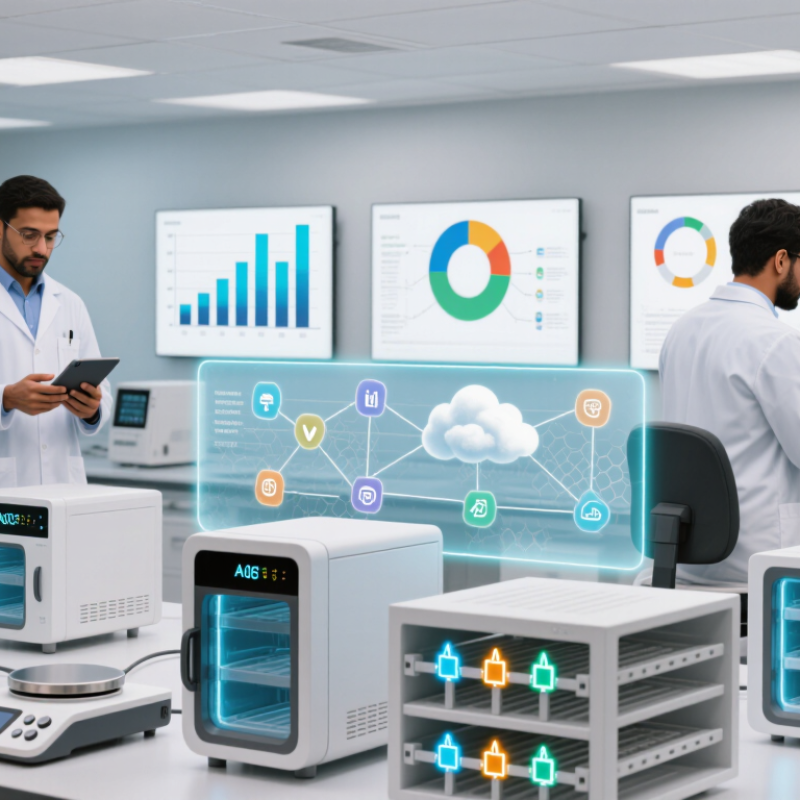
Why Global Buyers Follow the Latest Smart Lab Technology Trends?

What Smart Laboratory Technology Means in Modern Research

Smart laboratory technology means more than robotic arms or glowing dashboards. In modern research, it connects instruments, samples, workflows, and evidence. A researcher can scan a tube, track its temperature, and review every transfer from one screen. This creates a digital chain of custody. It also reduces manual transcription, a quiet source of avoidable errors.

The need is measurable. Nature’s 2016 survey of 1,576 researchers found that more than 70% had failed to reproduce another scientist’s experiment. Connected systems can improve traceability, version control, and data integrity. They cannot repair weak experimental design. That distinction matters. Artificial intelligence may flag an unusual result within seconds, while human experts still judge its scientific meaning. Smart does not mean autonomous.

The European Commission’s 2024 Industrial R&D Scoreboard reported that global corporate research investment continued to rise in 2023, despite economic pressure. This encourages laboratories to seek faster, more measurable workflows. Buyers increasingly examine interoperability, cybersecurity, serviceability, and training before purchasing equipment. A modern laboratory should show who changed a method, when they changed it, and why. It should also keep working when the network fails. Many systems still struggle here. That is an uncomfortable gap between promotional language and daily laboratory experience. Reliable progress comes from combining automation with validation, practical user feedback, and regular review of unexpected results.

Why Global Buyers Are Adopting Smart Laboratory Systems

Why Global Buyers Are Adopting Smart Laboratory Systems

Global buyers are adopting smart laboratory systems to improve traceability, consistency, and daily decision-making. In busy laboratories, handwritten records can delay reviews and hide small errors. Digital workflows connect instruments, samples, results, and approvals in one controlled environment. This creates clearer audit trails and supports more reliable reporting. It also helps managers see bottlenecks before they become expensive problems.

The strongest systems combine automation with practical human oversight. They can schedule tests, flag unusual results, and protect sensitive data through role-based access. However, automation is not magic. Poorly configured workflows may spread mistakes faster. Integration can also be difficult when older instruments use different data formats. Experienced teams usually begin with one process, validate each step, and train users before expanding. Even then, adoption may feel slower than expected. That hesitation deserves attention, not pressure.

Tips: Map your current workflow first. Choose measurable goals, such as fewer transcription errors or shorter review times. Confirm validation records, cybersecurity controls, backup procedures, and system compatibility. Ask staff to test the interface with real laboratory scenarios. Their feedback often reveals practical issues that technical specifications miss. Keep a clear change log, and review performance regularly. A smart laboratory system should support professional judgment, not quietly replace it.

Why Global Buyers Are Adopting Smart Laboratory Systems

The global laboratory automation market is projected to expand steadily, reflecting growing demand for connected instruments, automated workflows, faster analysis, and improved data traceability.

Market size is shown in USD billions. The 2023 baseline and annual growth rate are based on published global laboratory automation market estimates; intermediate values are calculated using a 5.5% compound annual growth rate.

Key Technologies Driving Smart Laboratory Development

Why Global Buyers Follow the Latest Smart Lab Technology Trends?

Smart laboratories are developing through connected sensors, automation, and data intelligence. Sensors can track temperature, humidity, pressure, and equipment status continuously. This reduces manual checks and reveals small changes before they damage an experiment. Automated liquid handling and robotic sample transport also improve repeatability. Less routine work means more time for analysis and method development.

Data systems are equally important. A laboratory information management system can connect samples, instruments, workflows, and reports in one traceable environment. Cloud platforms support controlled access across sites, while artificial intelligence can identify unusual results or suggest maintenance needs. Digital twins may also simulate equipment performance before costly changes occur. However, interoperability remains difficult. Some instruments still use closed formats, creating extra work for technical teams.

Cybersecurity and validation now influence purchasing decisions. Reliable systems need encryption, role-based access, audit trails, backup plans, and documented performance tests. In laboratory projects, a poorly calibrated sensor can create more confidence than accuracy, which is dangerous. Automation is not magic. Staff still need training, clear procedures, and professional judgment. The industry sometimes promises fully autonomous laboratories too quickly. Human review remains essential when results affect research quality, product safety, or regulatory decisions. Smart technology works best when it supports careful scientists instead of pretending to replace them.

How Buyers Evaluate Smart Lab Solutions and Suppliers

Smart lab buyers rarely choose technology because it looks advanced. They examine how well it supports daily work, from sample tracking to equipment monitoring. A useful system should reduce manual records, prevent avoidable errors, and provide clear data trails. Buyers often request a live demonstration using realistic laboratory tasks. Screenshots are not enough.

Supplier evaluation requires equal attention. Experienced buyers ask about data security, user permissions, system integration, training, and maintenance response times. They also check whether the supplier understands laboratory workflows, not just software features. References from similar facilities can reveal practical weaknesses. A solution may perform well during testing but feel slow during busy periods. That matters. Buyers should also review service terms, upgrade policies, and total ownership costs. Some evaluation teams focus too heavily on purchase price. That can become an expensive mistake.

Tips: Test the solution with real users and real scenarios. Measure setup time, reporting speed, and error recovery. Ask suppliers to explain what happens during network failure. Record every answer. Do not trust vague promises. A short pilot often reveals more than a polished presentation. Keep one concern visible, even when the technology seems impressive.

The Benefits and Challenges of Following Smart Lab Trends

Global buyers follow smart lab trends because connected equipment can make daily work faster and more traceable. In my experience, automated sample handling reduces repetitive pipetting and lowers avoidable recording errors. Digital dashboards can show temperature changes within seconds. That matters when a freezer door stays open too long. Integrated systems also create audit trails, helping laboratory managers review who changed a setting and when. Reliable trend adoption depends on evidence, not attractive demonstrations. Buyers should request performance data, service records, and independent testing results before making decisions. Small pilot projects often reveal more than polished sales presentations.

The challenges are equally practical. Smart instruments may not communicate smoothly with older systems. Data migration can become slow, expensive, and surprisingly confusing. Staff also need hands-on training, not just a short online manual. Cybersecurity requires regular updates, controlled access, and careful network monitoring. A connected lab can expose more operational data if permissions are poorly designed. Costs may include installation, software subscriptions, maintenance, and specialist support. I have seen teams underestimate these expenses. They later delay upgrades or use advanced tools below their potential. Global buyers must also examine local data rules, technical standards, and available repair services. Trend-driven purchasing can be useful, but rushing creates fragile workflows. Some new features remain impressive in demonstrations and unnecessary at the bench. That is an uncomfortable truth.

FAQS

What does smart laboratory technology connect?

It connects instruments, samples, workflows, and evidence in one traceable system. A scanned tube can show its temperature, location, and transfer history.

How can connected systems reduce laboratory errors?

They reduce manual transcription and record changes automatically. This helps prevent mistakes made while copying values between paper notes and software.

Can smart technology make experiments fully reliable?

No. It improves traceability, but it cannot fix weak experimental design. Human judgment still matters when results look unusual.

What can laboratory sensors monitor?

Sensors can continuously track temperature, humidity, pressure, and equipment status. A small temperature drift may appear before samples are damaged.

How do automation tools support laboratory staff?

Automated liquid handling and sample transport improve repeatability. They also reduce routine work, giving researchers more time for analysis.

Why is interoperability important in a smart laboratory?

Interoperability lets instruments and data systems exchange information smoothly. Closed formats can force technical staff to re-enter data manually.

What security features should smart laboratory systems include?

Important features include encryption, role-based access, audit trails, and reliable backups. Every method change should show who changed it and why.

Does artificial intelligence replace scientific experts?

No. It may flag unusual results quickly, but experts must judge their meaning. The system can be helpful, and still be wrong.

What happens when the laboratory network fails?

A dependable system should continue essential work and protect records offline. Many systems still struggle here. That gap deserves honest testing.

What training do smart laboratory users need?

Staff need training on procedures, system limits, validation, and unexpected results. Technology supports careful scientists; it does not remove responsibility.

Conclusion

Smart laboratory technology is reshaping modern research by connecting instruments, data, software, and workflows into more intelligent and efficient systems. Global buyers are adopting these solutions to improve experimental accuracy, reduce manual work, strengthen data management, and support faster decision-making. What are the latest trends in smart lab device technology? Key developments include connected instruments, automated sample handling, real-time monitoring, cloud-enabled data platforms, artificial intelligence for analysis, and stronger cybersecurity for research information.

When evaluating smart lab solutions, buyers typically consider system compatibility, scalability, ease of use, data integrity, technical support, and long-term operating costs. Following these trends can increase productivity, improve reproducibility, enhance safety, and help laboratories respond more quickly to changing research needs. However, implementation may also involve high initial investment, staff training, system integration difficulties, and concerns about data security. Successful adoption therefore requires a clear technology strategy, reliable supplier support, and careful assessment of both current goals and future laboratory development.

Aria

Aria

Aria is a dedicated marketing professional with a deep passion for innovative strategies and a keen understanding of our company's product offerings. With a wealth of experience in the industry, Aria excels at crafting engaging content that highlights the unique features and benefits of our......