Medovia Medical
Why does medical equipment need specialized power backup? Because a hospital outage is not merely a dark room. It can interrupt ventilators, infusion pumps, imaging systems, laboratory analyzers, and the alarms clinicians rely on. These devices differ in power demand, restart behavior, and tolerance for voltage changes. A backup system designed for ordinary office equipment may not protect them adequately.
The World Health Organization, World Bank, IRENA, and SEforALL reported in their 2023 assessment that around one billion people rely on health facilities with unreliable or no electricity. The report focuses on low- and middle-income countries, but its central lesson applies broadly: dependable power is part of dependable care. It is not an optional extra. In a treatment room, even a brief interruption can trigger device resets, lost monitoring data, or delayed procedures. The exact risk depends on the equipment and clinical setting.
Specialized backup addresses those differences through appropriate capacity, transfer time, runtime, electrical conditioning, and monitoring. The Uptime Institute’s 2024 outage analysis also identifies power issues among the leading causes of serious data-center outages. That is not a healthcare-specific statistic, and it should not be treated as one. Still, it illustrates how much critical operations depend on resilient electrical infrastructure. Backup planning should therefore be grounded in equipment specifications and clinical workflows, not guesswork. A battery is not automatically a solution. The practical question is whether it keeps the right device operating, safely, for long enough.
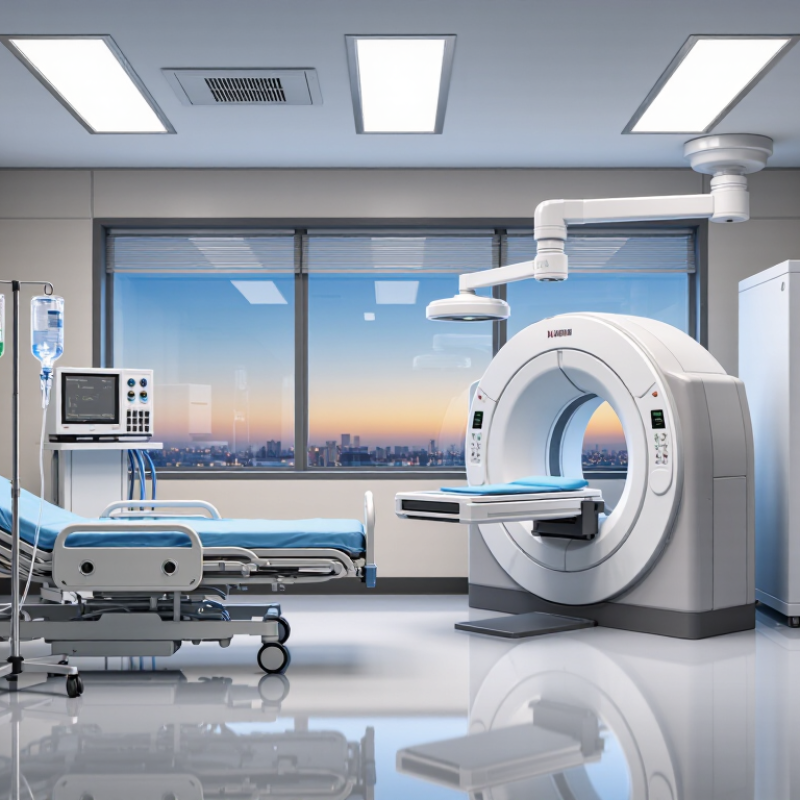
Medical equipment power backup means keeping clinical devices safe and usable when normal electricity fails. It is more than attaching a battery to a machine. The system may include an uninterruptible power supply, emergency generators, automatic transfer equipment, voltage regulation, and continuous monitoring. Each part supports a different risk.
The need is measurable. A 2023 report from the World Health Organization, World Bank, and energy partners found that one in four health facilities in low- and middle-income countries lacked electricity. About half lacked reliable power. Even a short interruption can stop imaging, reset monitoring equipment, or interrupt ventilation support. Some devices need seamless transfer, while others can tolerate a brief delay. That difference must be documented by clinical and electrical specialists.
Uptime Institute’s 2024 Annual Outage Analysis reported that 54% of surveyed outages caused more than $100,000 in direct or indirect losses. Healthcare consequences can be harder to calculate. A delayed procedure is not only a financial event. It affects staff decisions and patient confidence.
A practical backup plan maps each device’s load, startup surge, runtime, and acceptable transfer time. Testing should occur under realistic conditions, not only during quiet hours. A backup can still fail.
That uncomfortable detail matters. Batteries age, generator fuel degrades, and alarms may be ignored. Maintenance records, load tests, and staff training make the power system more dependable. The process is rarely perfect, but it should be visible, repeatable, and clinically reviewed.
In patient care areas, electricity is part of the treatment process. A brief outage can stop monitors, interrupt infusion pumps, or reset diagnostic equipment. Ventilators and other life-support devices may require continuous, stable power. These risks make ordinary household backup systems unsuitable for many clinical environments.
Specialized backup systems provide rapid transfer, regulated voltage, and enough runtime for a safe response. They may support essential equipment while staff move a patient, start an alternate supply, or complete an emergency procedure. In a treatment room, even a few seconds matter. A silent alarm can be missed during a crowded shift. Clear alerts and visible battery status help clinicians act before power becomes a patient problem.
Reliable protection also depends on human practice. Facility engineers should map critical loads, test batteries, inspect connections, and record every failure. Clinical teams need drills, not just written procedures. Yet no backup system is perfect. Batteries age faster in heat, maintenance can be delayed, and a poorly connected device may remain unprotected. That uncomfortable detail deserves attention. Regular testing and honest review often reveal weaknesses before an outage does. Power continuity is therefore not only an electrical issue; it is a daily patient-safety responsibility.
A power failure in a medical facility can become dangerous within seconds. Ventilators may stop, patient monitors can go dark, and infusion pumps may pause without warning. Even a short interruption can disrupt surgery, emergency treatment, or intensive care. Refrigerated medicines and blood products may also lose safe temperatures. Elevators, access systems, lighting, and communication devices can fail at the same time.
Specialized power backup protects sensitive equipment from outages, voltage drops, and unstable electrical flow. It can provide immediate power while generators start or staff move patients safely. Medical facilities need careful load planning, because every device does not have the same priority. A backup system should support critical machines first, while protecting connected equipment from electrical damage. Regular testing matters. A system that works on paper may fail during a real emergency. This is an uncomfortable point, but many facilities test too rarely.
Tips: Keep a clear list of critical equipment and required runtime. Test transfer switches under realistic conditions. Check batteries, fuel, alarms, and ventilation on a fixed schedule. Train staff to recognize backup warnings, not just electrical faults. Keep manual procedures available for pumps, doors, and patient records. No plan is perfect. Staff may still face confusion during a nighttime outage, especially when several alarms sound together. Practice can reduce that hesitation.
Common risks of power failure in medical facilities
Medical equipment can lose monitoring data, interrupt therapy, trigger alarms, or require manual restart when utility power is disrupted. UPS systems classified as VFD or VI typically introduce a short transfer interval, while VFI online UPS systems continuously regulate and regenerate power with no transfer interruption.
Values show typical transfer times based on common IEC 62040-3 UPS performance classifications; actual performance varies by equipment and installation.
Medical equipment needs more than a generator waiting outside. A specialized backup system detects a disturbance and keeps critical devices within safe voltage and frequency limits. An online UPS can bridge the brief gap before a generator starts. It can also smooth voltage dips that may reset monitors, interrupt infusion pumps, or corrupt imaging equipment’s operation. Seconds matter. So does clean power.
Protection starts with matching backup capacity to each device’s load and startup demand. A ventilator and bedside monitor may need continuous UPS support; an imaging system may require a separate, carefully sized circuit. Automatic transfer, battery-health alarms, runtime monitoring, and scheduled load tests help reveal weak points before an outage. The WHO, World Bank, IRENA, and SEforALL’s 2023 report, Energizing Health, estimated that nearly one billion people depend on health facilities with unreliable or absent electricity. In adjacent critical-infrastructure research, the Uptime Institute’s 2024 outage analysis found that 54% of surveyed organizations reported their most recent significant outage cost more than $100,000. That figure is not healthcare-specific, but it shows why resilience deserves serious planning. No design is foolproof. Batteries age, and real loads can surprise a test. Facility engineers should verify device requirements and backup performance together.
Medical equipment needs specialized power backup because ordinary outages can interrupt diagnosis, treatment, and patient monitoring. A brief voltage dip may reset a monitor or corrupt stored data. Seconds matter. In clinical installations, reliable backup protects both equipment and care continuity.
Choosing a medical power backup solution requires more than checking battery capacity. Start with the equipment list, including startup loads and sensitive electronics. Confirm the required runtime during realistic operating conditions. A system supporting an infusion pump may need different protection than one supporting imaging equipment. Look for stable voltage regulation, low transfer time, alarm visibility, and clear maintenance procedures. Electrical compatibility matters too. Improper connections can create avoidable risks.
Battery chemistry, room temperature, ventilation, and service access also affect reliability. Ask whether technicians can inspect the system without disrupting care. Review test records, replacement intervals, and failure alerts. Standards and local clinical requirements should guide the final selection, not advertising claims. A common mistake is sizing backup for average consumption only. Peak demand can be higher. Test it regularly. Simulation should include an outage, a restart, and a controlled shutdown. Even experienced teams may overlook aging batteries or poorly labeled circuits. That deserves a second review.
A brief outage can stop monitors, pause infusion pumps, or reset diagnostic equipment. Every second matters. Stable power supports safer treatment.
Ventilators, patient monitors, infusion pumps, and essential diagnostic devices may require continuous support. Refrigerated medicines and blood products also need safe temperatures.
Clinical equipment may need rapid transfer, regulated voltage, and longer runtime. Household systems may not protect sensitive devices from unstable electrical flow.
Lighting, elevators, communication systems, and access controls may fail together. Staff may also face several alarms at once. Confusion is possible.
Engineers should map critical loads and required runtime. Life-support devices usually need the highest priority. Not every device can receive equal protection.
Watch visible battery status and clear alarms. Move patients or begin alternate procedures when necessary. Do not rely on memory alone.
Facilities should test batteries, alarms, connections, and transfer switches regularly. Tests should reflect realistic conditions. A system can work on paper and still fail.
Batteries may age faster in hot rooms. Maintenance can be delayed. A loose connection may leave equipment unprotected. Honest reviews can reveal uncomfortable gaps.
Why does medical equipment need specialized power backup? Medical equipment power backup refers to dedicated systems designed to keep essential devices operating when the main electricity supply becomes unstable or fails. In healthcare environments, uninterrupted power is critical because even a short interruption can affect patient monitoring, interrupt treatment, erase data, or delay urgent procedures. Equipment such as ventilators, infusion pumps, imaging systems, and laboratory analyzers may also be sensitive to voltage fluctuations, surges, and electrical noise.
Specialized backup systems help protect both patients and equipment by providing immediate, stable power and supporting an orderly transition to emergency energy sources. They can reduce operational disruption, protect sensitive electronic components, and give medical staff time to respond safely during an outage. When choosing a solution, facilities should consider load capacity, backup duration, transfer speed, power quality, system compatibility, battery reliability, monitoring functions, maintenance requirements, and the importance of each connected device. A well-planned backup strategy improves resilience and supports safer, more continuous patient care.
