Medovia Medical Medovia Medical

Xray Equipment Safety Requirements You Must Know?

Time:2026-08-05 Author:Isabella
0%

X-ray equipment plays a crucial role in diagnostics and treatment. However, safety is paramount when operating such devices. These machines emit radiation, which can pose health risks if not handled correctly. Understanding the safety requirements is essential for protecting both patients and healthcare professionals.

What are the safety requirements for operating X-ray equipment? This question is vital for anyone involved in radiology. Safety protocols are not just suggestions; they are necessary practices to minimize exposure. Proper training and certification are essential for operators. Clear guidelines foster accountability and awareness.

Yet, the reality is that some professionals may overlook these requirements in busy environments. This negligence can lead to serious consequences. Regular maintenance checks are necessary, but they are often skipped in practice. A discrepancy in following safety protocols can have lasting effects. Continual education and training can bridge these gaps, ensuring that safety remains a priority in X-ray operations.
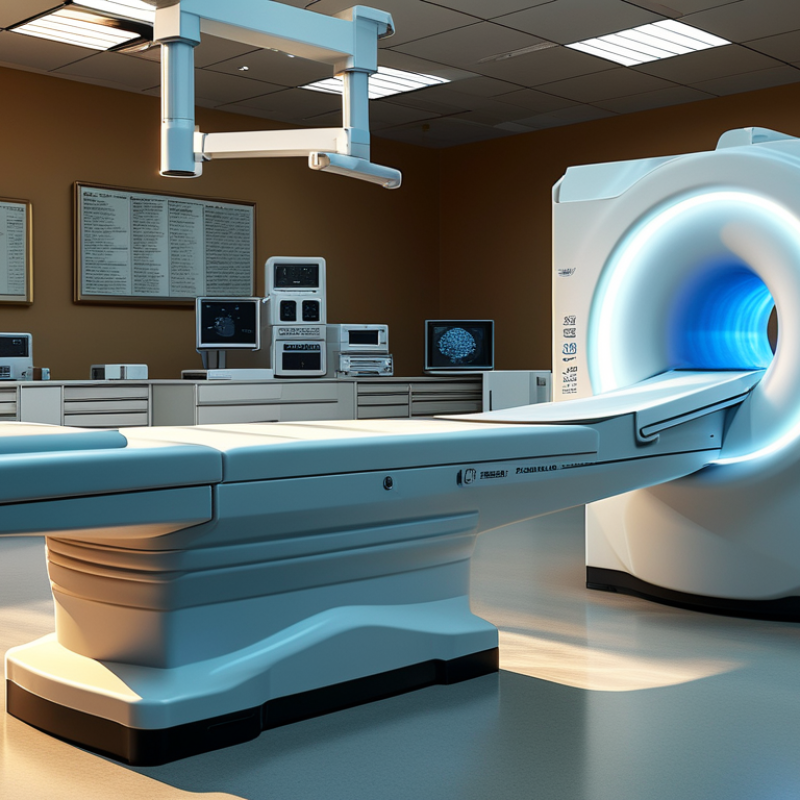
Xray Equipment Safety Requirements You Must Know?

Understanding X-ray Equipment: An Overview of Safety Standards

X-ray equipment serves crucial roles in medicine and industry. Understanding safety standards is essential. These standards help protect both patients and operators from harmful radiation. Key safety protocols begin even before the equipment is used. Ensuring proper calibration is vital. Regular maintenance checks are a must to prevent malfunction. Equipment should be inspected routinely.

Operators must receive thorough training. Knowledge about radiation protection and equipment handling is critical. Masking areas that don't require exposure reduces risk. Personal protective equipment, such as lead aprons, is essential during X-ray procedures. Setting restricted zones can further minimize exposure.

Despite regulations, lapses can occur. Some facilities may overlook minor checks, thinking they’re unnecessary. This can pose significant risks. Understanding human error in safety protocols is important. Continuous education and adherence to updated guidelines will enhance safety practices. The goal should always be to avoid potential hazards.

X-ray Equipment Safety Requirements You Must Know

Safety Standard Description Compliance Level Inspection Frequency
ALARA Principle Keep radiation exposure as low as reasonably achievable. Mandatory Annually
Shielding Requirements Installation of lead or other materials to protect against radiation. Mandatory Every 5 years
Safety Interlocks Automatic shut-off mechanisms to prevent accidental exposures. Recommended Quarterly
Radiation Dose Monitoring Use of dosimeters to monitor exposure levels. Mandatory Monthly
Training Requirements Staff must be properly trained in X-ray safety procedures. Mandatory Annually

Key Safety Regulations Governing X-ray Equipment Usage

When working with X-ray equipment, understanding key safety regulations is crucial. The International Electrotechnical Commission (IEC) provides standards for the safe use of X-ray devices. Compliance with IEC 60601-1 ensures equipment is safe for both patients and operators. The FDA also mandates regulatory requirements that govern X-ray usage, which emphasizes radiation protection.

Being aware of radiation exposure limits helps maintain safety standards. The National Council on Radiation Protection and Measurements (NCRP) sets annual exposure limits for radiation workers at 50 mSv. Operators should routinely monitor doses and use protective barriers. Regular inspections and maintenance of X-ray systems are essential. They help identify any potential safety issues early on.

Tips: It’s vital to attend training sessions on X-ray equipment safety regularly. Keeping up with industry best practices can prevent accidents. Personal protective equipment (PPE) usage is non-negotiable. Everyone involved should wear gloves and lead aprons during procedures.

Constant vigilance is required. Equipment that is outdated or improperly maintained can lead to safety hazards. The need for regular audits and upgrades cannot be overstated. Reflecting on practices helps identify gaps in safety protocols. Regular training sessions can also reinforce proper procedures and protocols.

Essential Components of X-ray Equipment Safety Procedures

X-ray equipment plays a crucial role in healthcare. Following safety procedures ensures safe operation. Key components include proper training and regular inspections. Each technician should understand the risks involved. Knowledge reduces accidents. Continuous education is vital.

Personal protective equipment (PPE) must be used consistently. Lead aprons, gloves, and shields protect against radiation exposure. Staff members should regularly check the condition of their PPE. If damage is found, immediate replacement is essential. Having functioning equipment creates a safer environment.

Clear signage is another critical aspect. Signs indicating the presence of radiation must be visible. Area restrictions can also enhance safety. It's crucial to keep unauthorized personnel out. Conducting routine safety drills helps ensure everyone knows their role. Regularly updating safety protocols can prevent complacency. Mistakes can happen, but awareness is key to improving safety standards.

Training and Certification Requirements for X-ray Technicians

X-ray technicians play a crucial role in healthcare. Their training and certification are essential for ensuring safety and accuracy. According to the American Registry of Radiologic Technologists (ARRT), a minimum of an associate degree in radiography is required for certification. This educational foundation equips technicians with the necessary knowledge of radiation physics and patient safety.

Hands-on training is a critical component of their education. It typically includes clinical practice in hospitals or imaging centers. Recent studies indicate that only 75% of programs provide adequate clinical exposure. This gap may lead to inexperienced technicians operating X-ray equipment, which can compromise patient safety. It raises questions about the effectiveness of training programs in certain regions.

Certification involves passing a comprehensive exam that tests both knowledge and practical skills. Ongoing education is a must. The ARRT requires certified technologists to complete continuing education credits every two years. However, adherence to this requirement can vary widely. It’s essential for professionals to stay updated on safety protocols and technological advancements. Continuous improvement should be a priority for all X-ray technicians.

Best Practices for Maintaining X-ray Equipment Safety Compliance

Maintaining X-ray equipment safety is crucial for healthcare facilities. Regular checks and preventive maintenance can help. Start by training staff on safety protocols. They should understand how to operate the equipment properly. Knowledge reduces the risk of accidents. Inadequate training is a common issue. Facilities can suffer from compliance lapses due to unqualified personnel.

Next, establish a routine inspection schedule. This should include checking radiation levels and functionality. Document all findings to maintain accountability. If discrepancies are found, address them immediately. Non-compliance can lead to unsafe environments. Regular maintenance can also prolong the equipment's life. However, some facilities might overlook this, leading to bigger issues down the road.

Lastly, it’s essential to keep updated with the latest safety regulations. These can change frequently. Staff should be encouraged to participate in ongoing education. This helps retain knowledge and ensures compliance. Neglecting updates can create gaps in safety measures. Regular reviews are essential for effective practice and safety. Adopting these measures supports both patient and staff safety.

FAQS

: What is the purpose of safety standards in X-ray equipment?

: Safety standards protect patients and operators from harmful radiation exposure.

Why is proper calibration important for X-ray equipment?

Proper calibration ensures accurate imaging and reduces the risk of equipment malfunction.

How often should X-ray equipment be inspected?

Equipment should be inspected routinely to identify and fix potential issues.

What is the role of personal protective equipment (PPE) in X-ray procedures?

PPE, like lead aprons, protects operators and patients from radiation exposure during procedures.

Why is training essential for operators of X-ray equipment?

Training helps operators understand risks and proper equipment handling, reducing accidents.

What can happen if minor maintenance checks are overlooked?

Overlooking checks can lead to significant risks, compromising safety for both staff and patients.

How can signage enhance safety around X-ray equipment?

Visible signs indicating radiation presence help keep unauthorized personnel out of restricted areas.

What should be done if personal protective equipment is damaged?

Damaged PPE must be replaced immediately to ensure ongoing protection during X-ray operations.

How do routine safety drills contribute to X-ray safety?

Safety drills ensure staff understands their roles and can act quickly in emergencies.

What is a common mistake regarding safety protocols?

Complacency in updating safety protocols can lead to avoidable mistakes and hazards.

Conclusion

When operating X-ray equipment, it is crucial to understand the safety requirements to ensure both operator and patient safety. Key safety regulations dictate the proper usage of X-ray equipment, emphasizing the importance of adhering to established safety standards. Essential components of X-ray equipment safety procedures include regular maintenance, appropriate shielding, and strict adherence to operational protocols.

Training and certification requirements for X-ray technicians are vital in enforcing these safety measures. Technicians must be well-versed in safety procedures and best practices to maintain compliance. Regular training updates ensure that personnel remain informed of any changes in safety regulations, leading to the effective management of risks associated with X-ray technology. In summary, understanding "What are the safety requirements for operating X-ray equipment?" is fundamental to promoting a safe working environment in any medical or research setting.

Isabella

Isabella

Isabella is a dedicated marketing professional with a sharp focus on driving brand growth and engagement through strategic content creation. With an extensive background in digital marketing, she combines her passion for storytelling with her keen understanding of industry trends to deliver......