1 / 5
 Medovia Medical
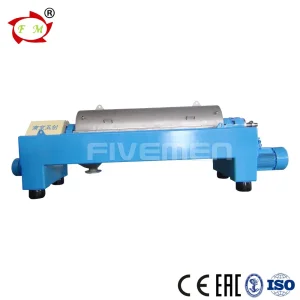
Industrial Scale Decanter Palm Oil Separator Centrifuge
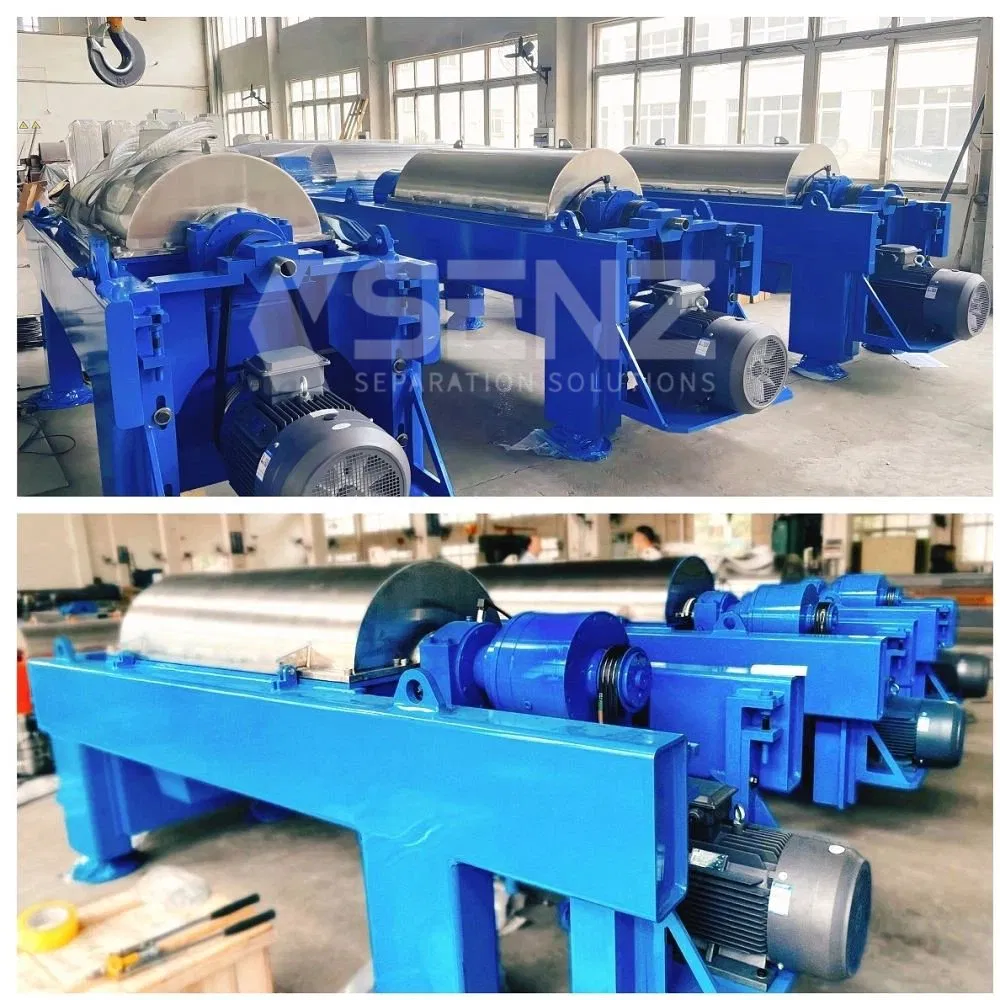
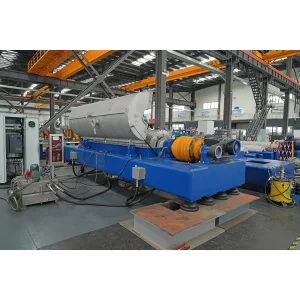
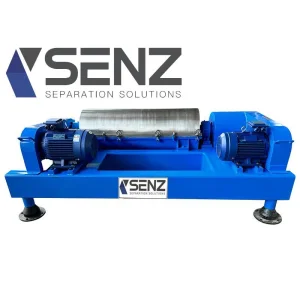
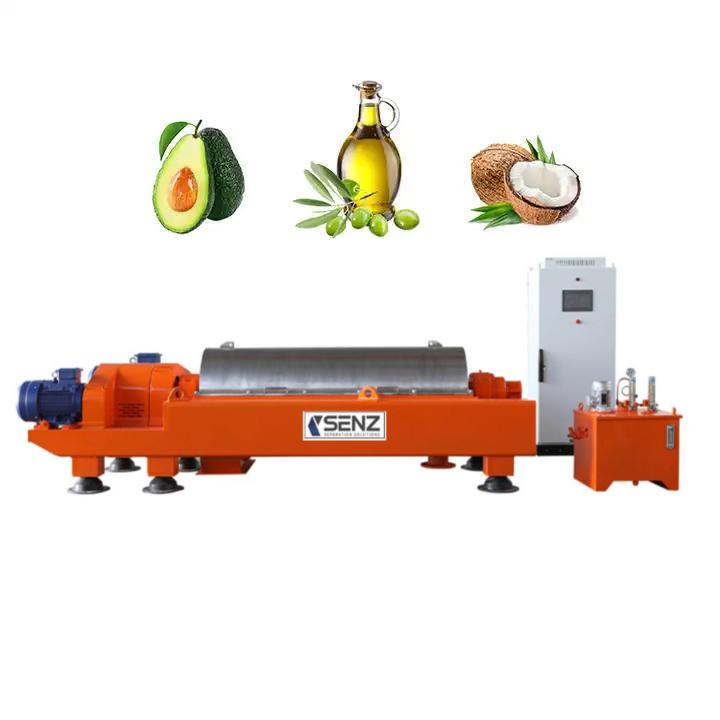
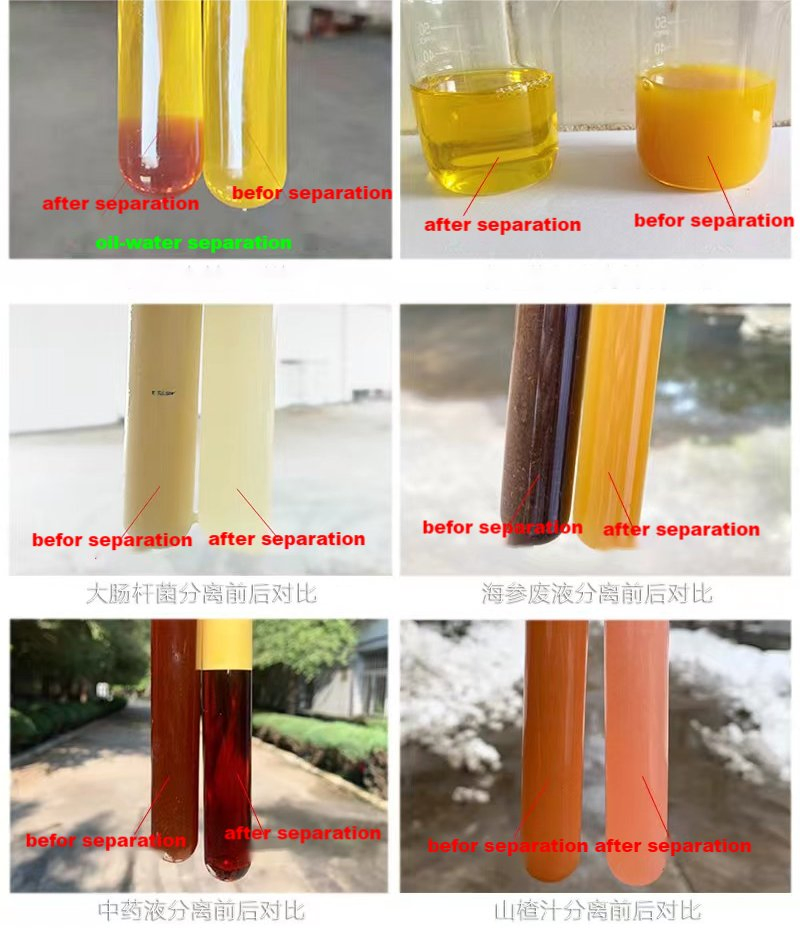
Our decanter centrifuge is specially designed to meet the rigorous demands of the palm oil industry. With its advanced technology and precision engineering, our centrifuge delivers exceptional performance in separating palm oil from its solid and liquid components. Whether you need to clarify crude palm oil or extract palm kernel oil, our centrifuge is up to the task.
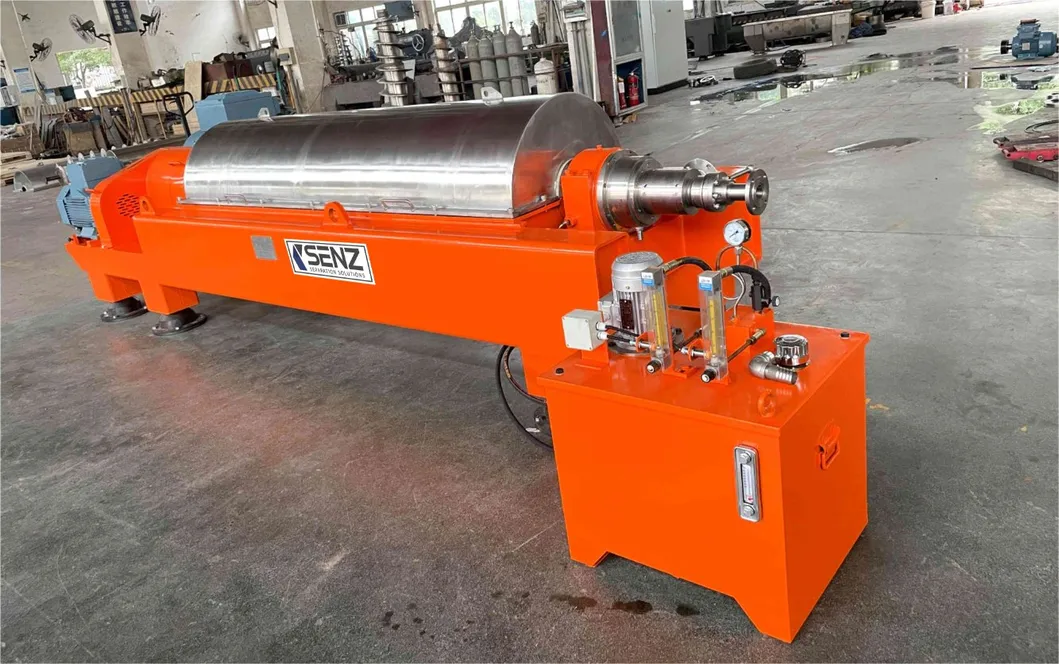
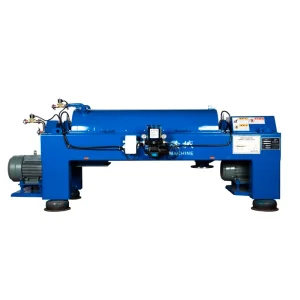
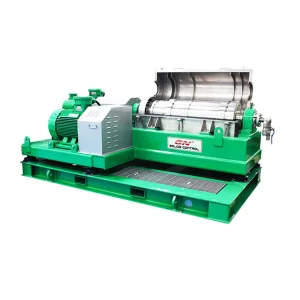
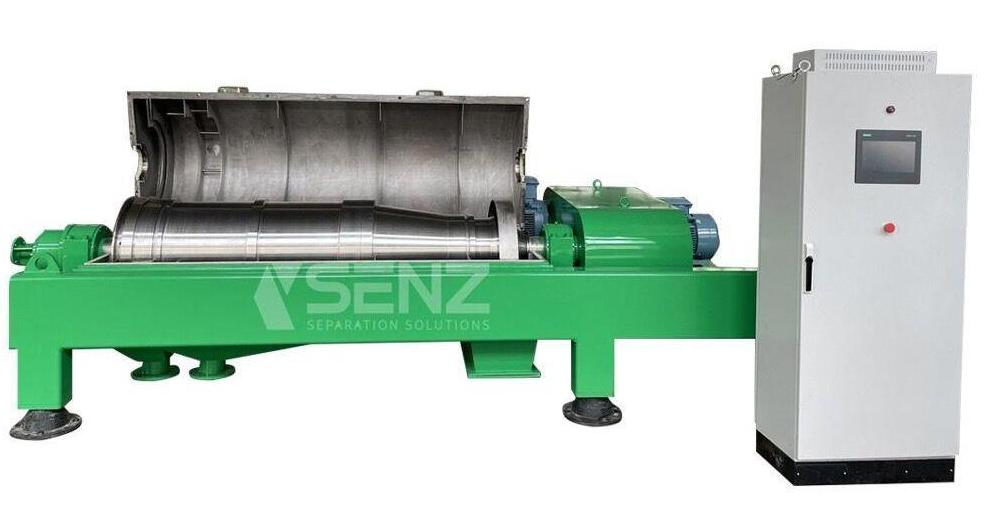
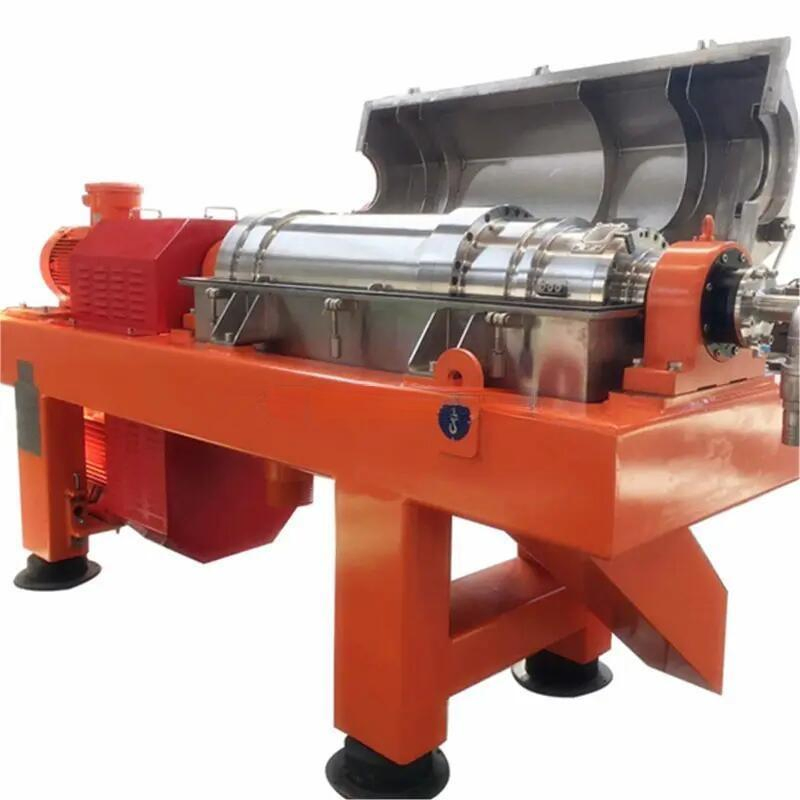
The exterior bowl and the scroll conveyor rotate at different high speeds. This differential speed between the two is accountable for the sedimentation throughout the decanter centrifuge cylinder. A decanter centrifuge applies a force equivalent to several thousand G's, which reduces the settling time of the particles, resulting in improved separation and liquid clarity.
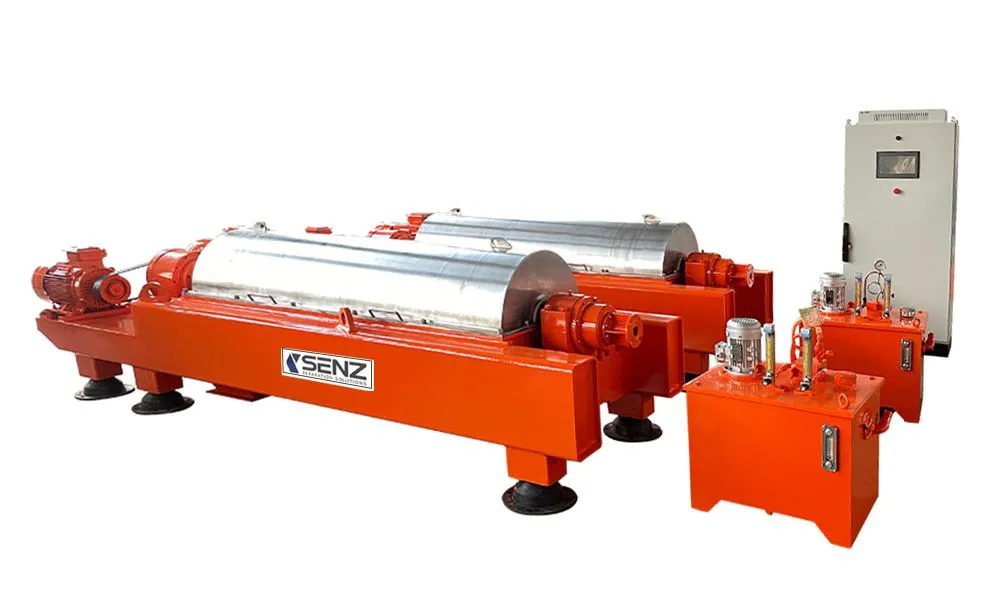
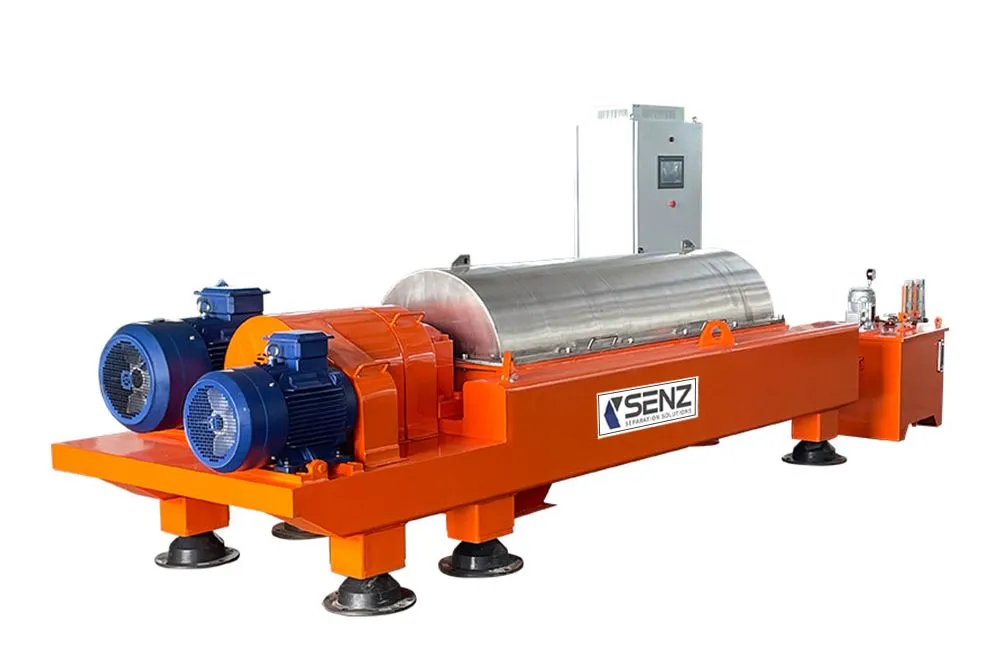
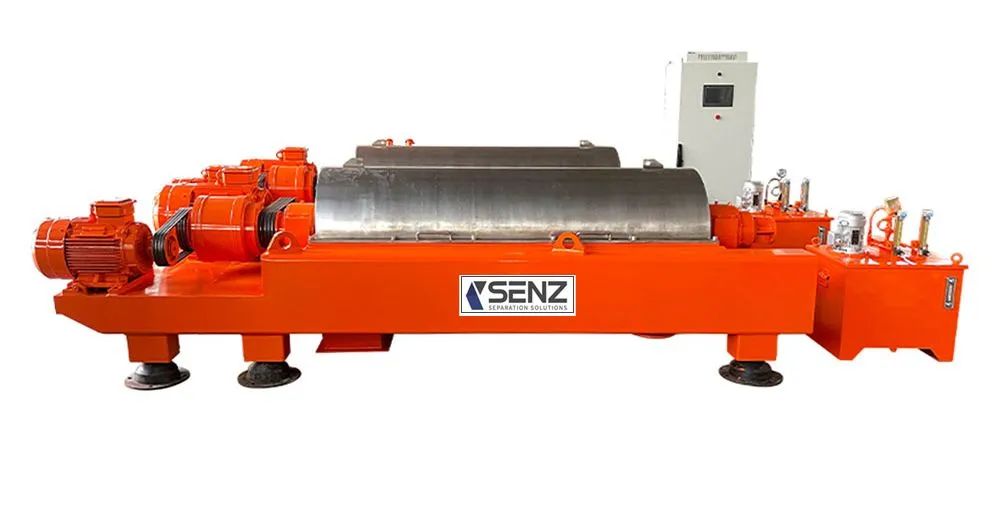
The feed product is pumped into the decanter centrifuges through the inlet. The fast rotation generates centrifugal forces up to 4000 x g. Under these forces, the solid particles with higher density are collected and compacted on the wall of the bowl. A scroll rotates inside the bowl at a slightly different speed (differential speed), transporting the settled particles to the conical end for discharge.
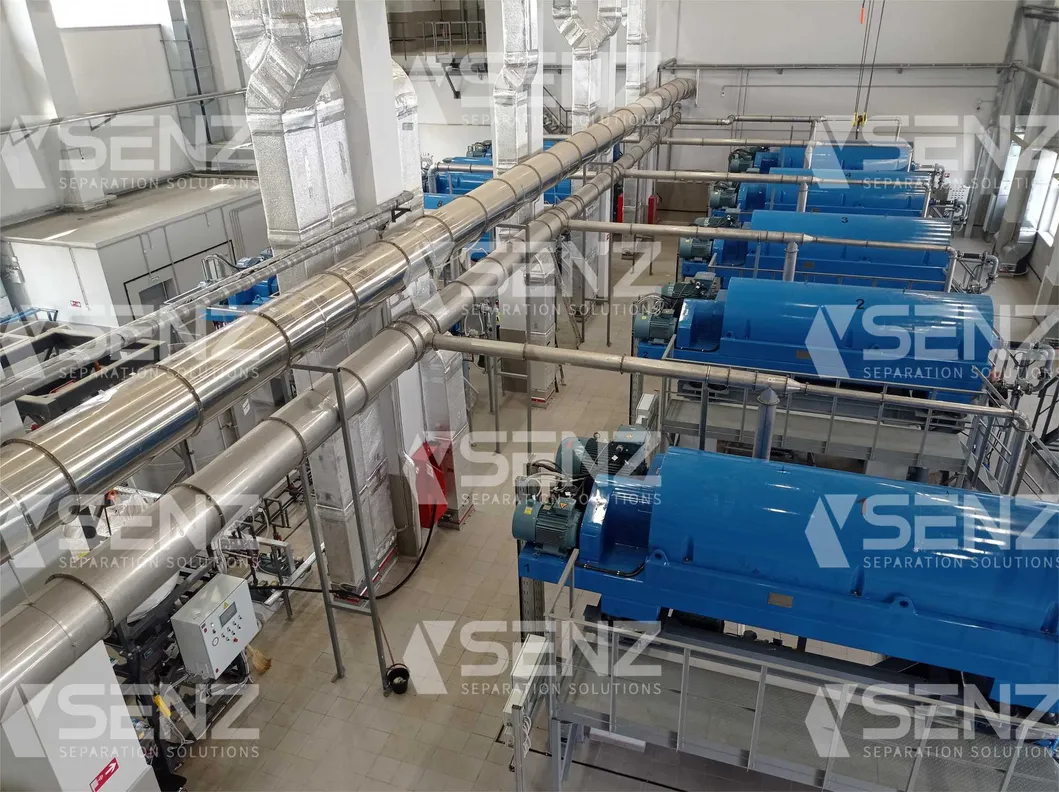
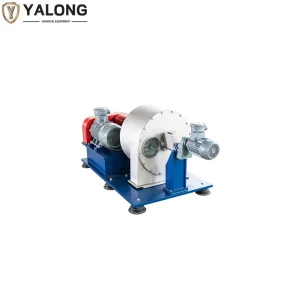
3-Phase Separation: With a 3-phase decanter centrifuge, it is possible to separate two liquids of different densities (e.g., oil and water) from a solids phase in one single step. Typical applications include edible oil production, oil sludge processing, and biodiesel production.
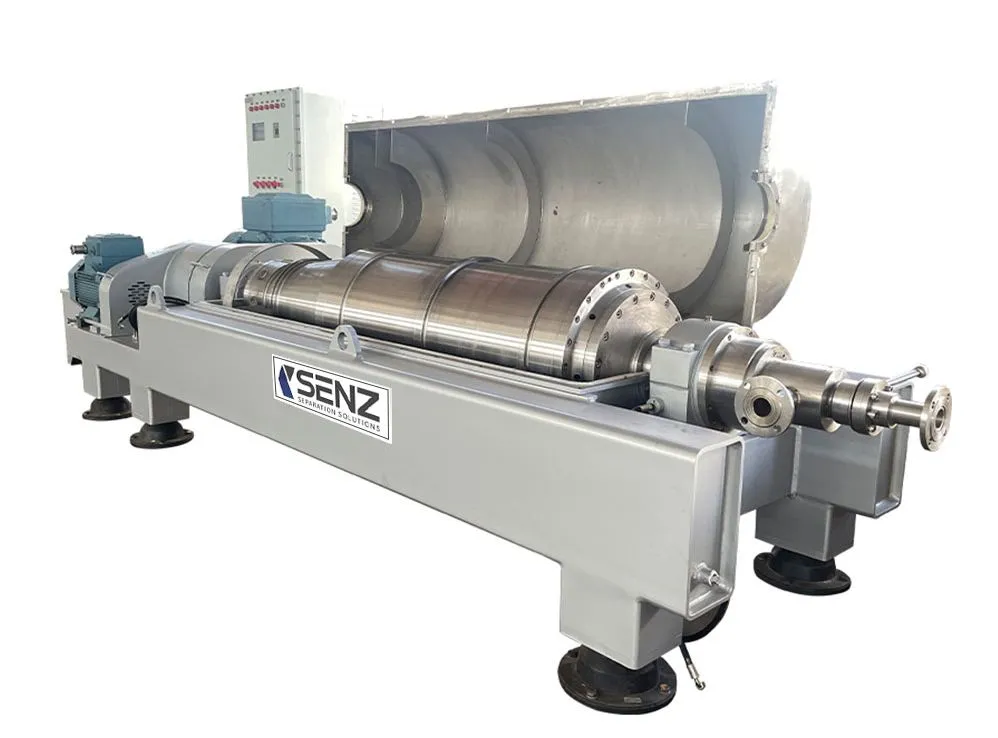
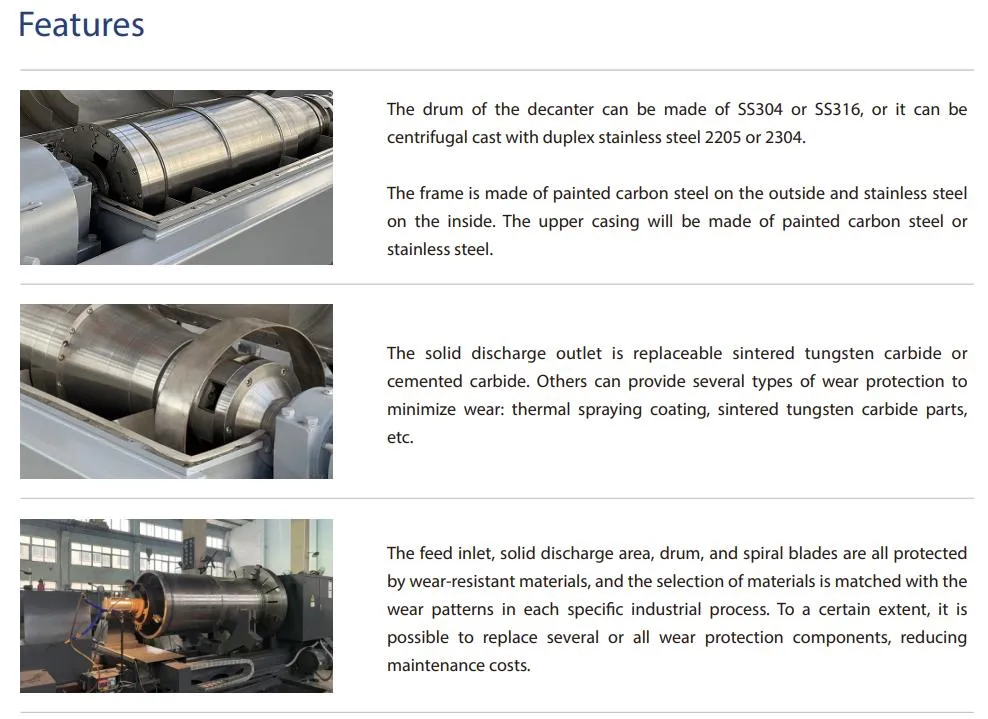
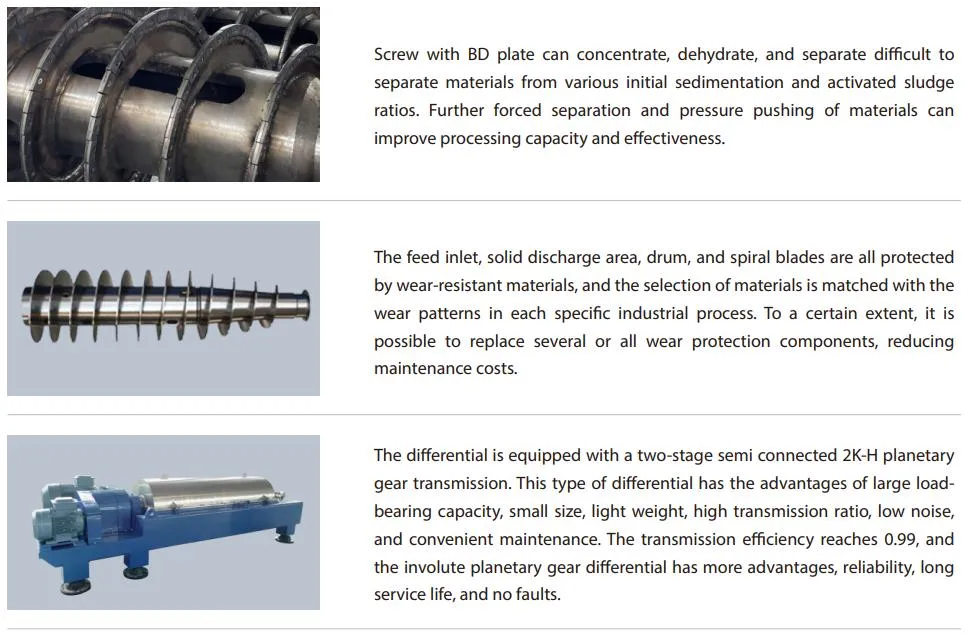
Note: High G-forces result in higher energy consumption, and equipment requires abrasion protection for long-term durability.
| Model | Diameter (mm) | Length (mm) | Max Speed | G-force | Capacity (m³/h) | Power (Kw) |
|---|---|---|---|---|---|---|
| LW250*1000 | 250 | 1000 | 5000 | 2722 | 0.5-5 | 7.5 |
| LW300*1200 | 300 | 1200 | 4000 | 2784 | 2-6 | 11 |
| LW355*1460 | 355 | 1460 | 3600 | 2576 | 2-10 | 15 |
| LW400*1600 | 400 | 1600 | 3000 | 2016 | 3-15 | 22 |
| LW450*1800 | 450 | 1800 | 2800 | 1976 | 4-25 | 37 |
| LW500*2000 | 500 | 2000 | 2800 | 1750 | 5-35 | 45 |
| LW650*2600 | 650 | 2600 | 2200 | 1456 | 6-65 | 90 |
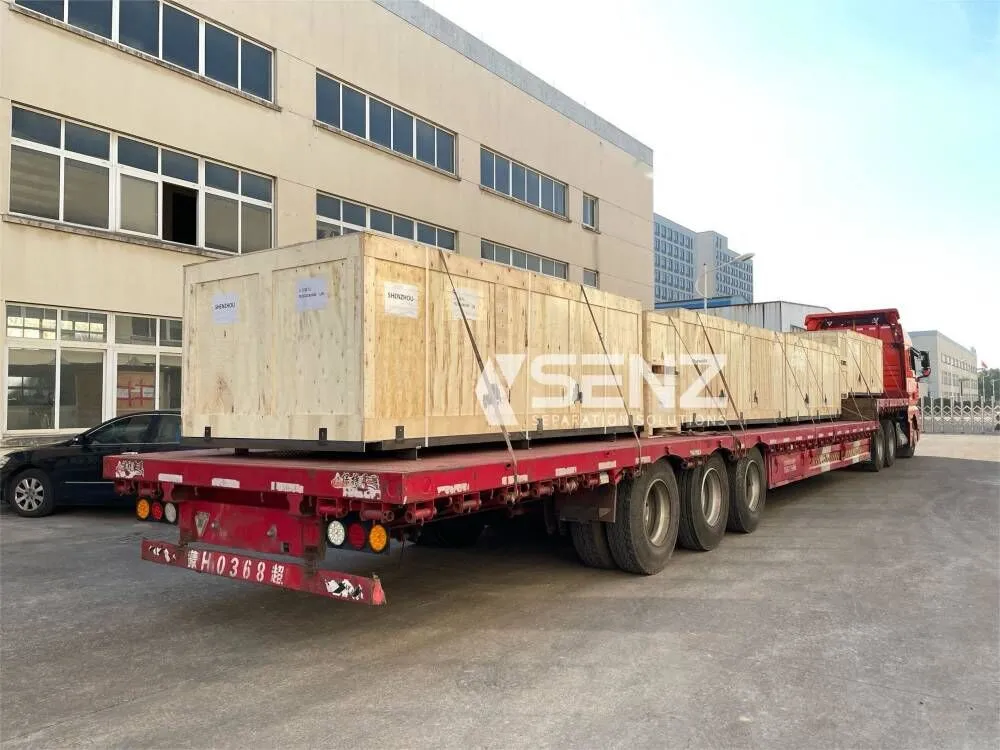
To better ensure the safety of your goods, professional, environmentally friendly, convenient and efficient packaging services will be provided. We use robust wooden cases suitable for international transport.
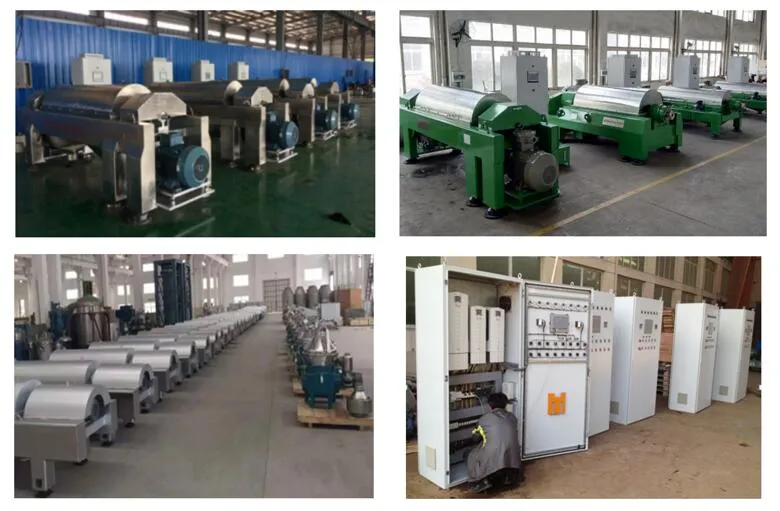
Established in 1980, our manufacturing facility covers an area of 80,000m². With a dedicated team of 2,500 staff, including 200 technicians and engineers, we hold CE and ISO certifications. Our products are exported to over 70 countries, including the USA, Canada, Australia, Russia, and Brazil.